
LED Indicator Colors – Understanding the Different Colors Used in LED Indicating Lamps is essential for industries that depend on effective visual communication, machine monitoring, and workplace safety. LED Indicating Lamps are widely used in electrical control panels, automation systems, manufacturing plants, and industrial machinery to display machine conditions and operational status.
Different colors used in LED Indicating Lamps help operators quickly identify machine conditions without reading detailed system information. Standardized color coding improves response time, reduces operational errors, and enhances industrial safety.
Modern LED Indicating Lamps provide bright illumination, long service life, low power consumption, and excellent visibility, making them ideal for industrial applications.
Industries often integrate LED Indicating Lamps with LED Indicating Lamp – A Smart and Efficient Signaling Solution for complete monitoring and alarm systems.
Why Different Colors Used in LED Indicating Lamps Are Important
The Different Colors Used in LED Indicating Lamps allow operators to identify machine conditions instantly. Instead of analyzing control systems or reading display screens, operators can understand machine status simply by observing indicator colors.
Color coding helps improve operational efficiency, minimize downtime, and support safe working environments.
Consistent use of indicator colors across industrial facilities improves communication between operators, maintenance teams, and engineers.
Industries also use Energy Saving Benefits of LED Indicators and Choosing the Right LED Indicator Lamp alongside LED Indicating Lamps for better visual communication.
Green Color Used in LED Indicating Lamps
Green is one of the most common colors used in LED Indicating Lamps. It generally represents normal operation, machine running status, or safe operating conditions.
When a green LED indicator is illuminated, operators typically understand that the machine or system is functioning correctly.
Green indicators help provide confidence that equipment is operating within normal parameters.

Red Color Used in LED Indicating Lamps
Red is one of the most critical colors used in LED Indicating Lamps. It usually indicates fault conditions, emergency situations, shutdowns, or dangerous operating conditions.
Red indicators immediately attract attention and signal the need for urgent corrective action.
Many industrial safety systems rely on red LED indicators to alert operators about equipment failures and hazardous situations.
Industries often integrate red LED indicators with Importance of LED Indicators in Electrical Panels and Maintenance Tips for LED Indicator Lamps for advanced fault monitoring.
Yellow Color Used in LED Indicating Lamps
Yellow LED indicators are commonly used to display warning conditions, maintenance requirements, or abnormal operating situations that require attention but are not immediately dangerous.
A yellow indicator often serves as an early warning system, allowing operators to address issues before they become critical.
This proactive approach helps reduce downtime and prevent equipment failures.
Blue Color Used in LED Indicating Lamps
Blue LED indicators are often used for special operational functions, user-defined processes, or auxiliary system indications.
Depending on the application, blue indicators may represent manual mode operation, system readiness, or specific machine functions.
Their distinct appearance helps differentiate them from standard operational and fault indicators.
White Color Used in LED Indicating Lamps
White LED indicators are commonly used to indicate power availability, system activation, or general status information.
In many industrial control panels, white indicators show that a circuit or control system is energized and ready for operation.
White indicators provide clear visibility and support effective machine monitoring.

Benefits of Different Colors Used in LED Indicating Lamps
- Improved machine monitoring and communication
- Faster fault identification and response
- Enhanced workplace safety
- Reduced operational errors
- Better maintenance planning
- Improved productivity and efficiency
- Standardized communication across industrial facilities
Applications of Different Colors Used in LED Indicating Lamps
The Different Colors Used in LED Indicating Lamps are found in manufacturing plants, power stations, automation systems, electrical substations, process industries, and machine control panels.
Their visual communication capabilities help operators monitor equipment conditions and maintain efficient operations.
These indicators are essential components of modern industrial monitoring systems.
Future of Different Colors Used in LED Indicating Lamps
As Industry 4.0 technologies continue to advance, LED Indicating Lamps are becoming increasingly integrated with smart monitoring systems and automation platforms.
Future developments may include programmable color indicators, wireless communication, predictive maintenance integration, and Industrial Internet of Things (IIoT) connectivity.
These innovations will further enhance the value of color-coded industrial communication systems.
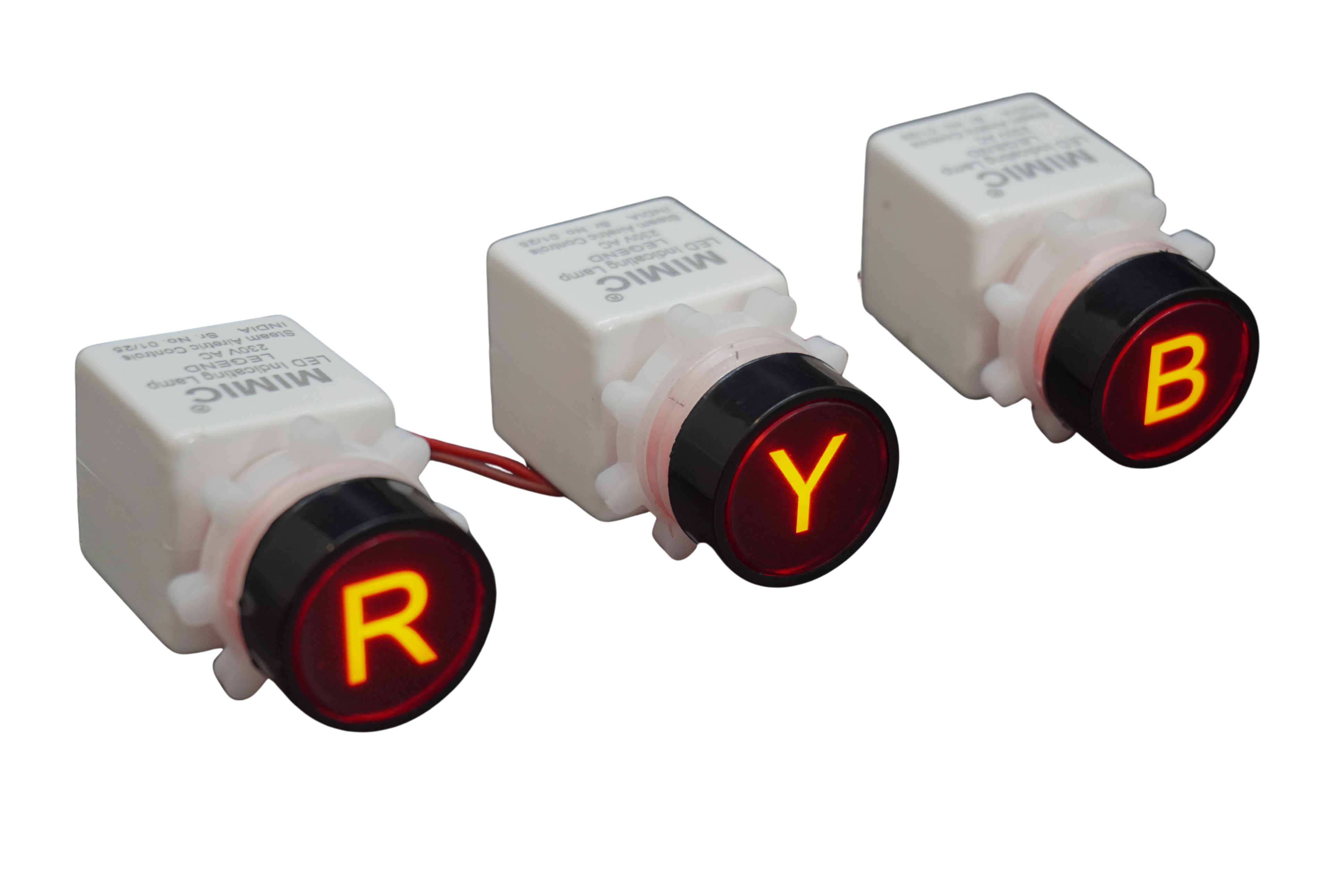
Conclusion on Different Colors Used in LED Indicating Lamps
The Different Colors Used in LED Indicating Lamps play a vital role in industrial communication, machine monitoring, fault detection, and workplace safety.
Green, red, yellow, blue, and white indicators each provide specific information that helps operators make quick and informed decisions.
As industrial automation continues to evolve, color-coded LED Indicating Lamps will remain essential components of efficient monitoring and control systems.
Frequently Asked Questions About Different Colors Used in LED Indicating Lamps
1. Why are different colors used in LED Indicating Lamps?
Different colors help operators quickly identify machine conditions, operational status, warning signals, and fault situations.
2. What does a green LED indicator mean?
Green generally indicates normal operation, machine running status, or safe operating conditions.
3. What does a red LED indicator mean?
Red usually indicates faults, emergencies, shutdowns, or hazardous operating conditions.
4. What does a yellow LED indicator mean?
Yellow indicates warning conditions, maintenance requirements, or situations requiring operator attention.
5. Where are LED Indicating Lamps commonly used?
They are used in electrical control panels, manufacturing plants, automation systems, substations, and industrial machinery.
6. What is the future of LED Indicating Lamps?
Future LED Indicating Lamps will support smart monitoring, programmable colors, IIoT integration, and predictive maintenance systems.