
Energy Efficient LED Indicators – Understanding the Energy Saving Benefits of LED Indicators is important for industries seeking cost-effective and energy-efficient solutions for machine monitoring and industrial signaling. Modern industrial facilities operate numerous electrical control panels, automation systems, and monitoring devices that run continuously. Even small improvements in energy efficiency can result in significant cost savings over time.
LED Indicators have become the preferred choice for industrial applications because they consume significantly less electricity compared to conventional incandescent indicators. In addition to energy savings, they offer better visibility, longer lifespan, reduced maintenance, and enhanced operational reliability.
As industries focus on sustainability and reducing operating costs, LED Indicators continue to play a vital role in modern electrical and automation systems.
Industries frequently integrate LED Indicators with LED Indicating Lamp – A Smart and Efficient Signaling Solution to create efficient industrial monitoring and signaling systems.
What Are LED Indicators?
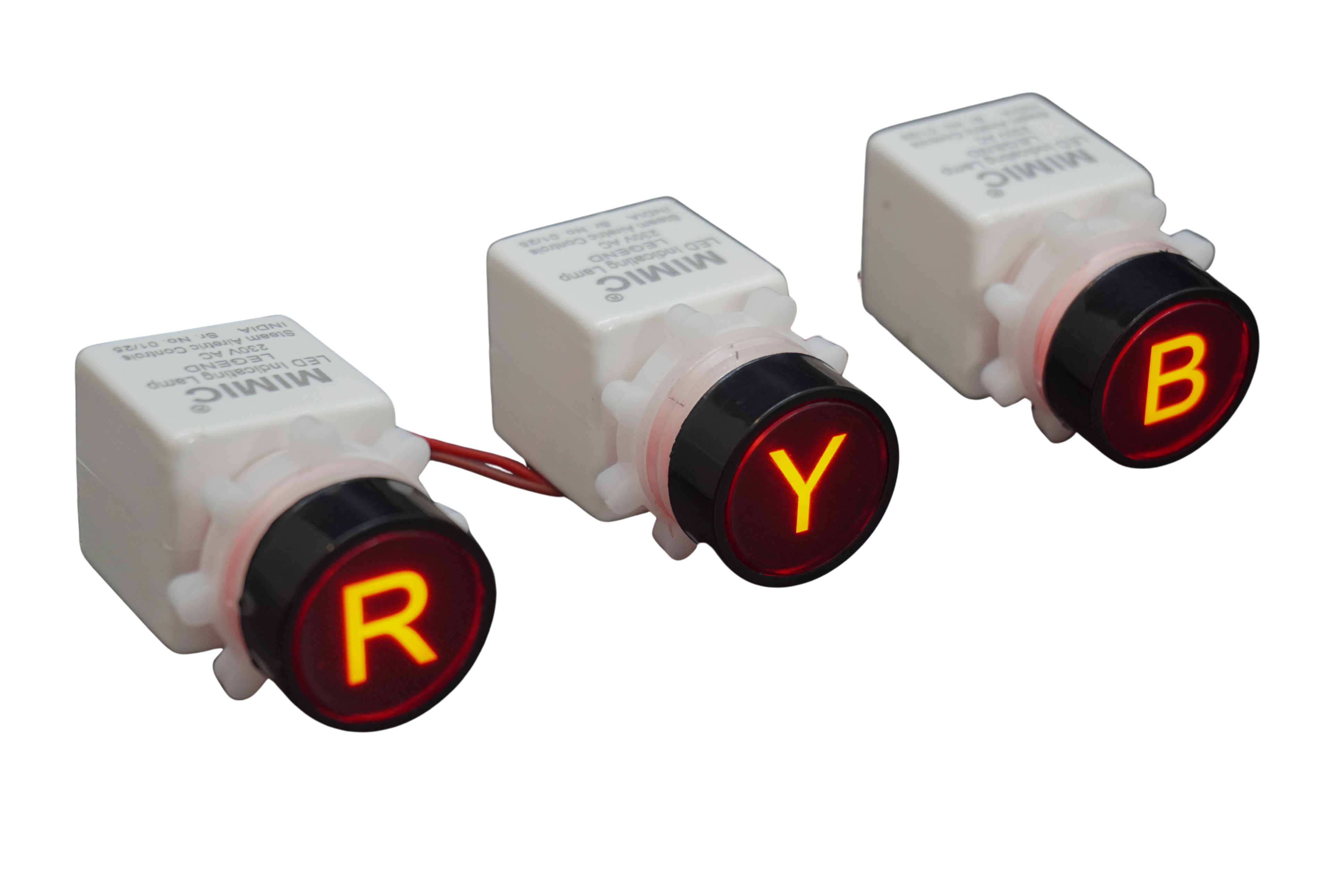
LED Indicators are visual signaling devices that use Light Emitting Diode (LED) technology to indicate machine status, operational conditions, fault alerts, and power availability.
These indicators are widely used in electrical control panels, manufacturing facilities, automation systems, substations, and industrial machinery because of their excellent efficiency and reliability.
Unlike traditional indicator lamps, LED Indicators convert electrical energy into light with very little energy loss.
Industries also use Choosing the Right LED Indicator Lamp and Importance of LED Indicators in Electrical Panels alongside LED Indicators for improved visual communication.
Energy Saving Benefits of LED Indicators Through Lower Power Consumption
One of the primary Energy Saving Benefits of LED Indicators is their low power consumption. LED technology requires only a fraction of the electrical energy needed by traditional incandescent indicator lamps.
This reduced energy requirement helps industrial facilities lower electricity costs without compromising visibility or performance.
In facilities operating hundreds of indicators continuously, these energy savings can become substantial over time.
Energy Saving Benefits of LED Indicators Through Reduced Heat Generation
Traditional incandescent lamps generate a significant amount of heat while operating. This heat represents wasted energy that does not contribute to illumination.
LED Indicators produce very little heat, allowing a greater percentage of electrical energy to be converted into visible light.
Reduced heat generation also contributes to safer operation and improved equipment reliability.
Energy Saving Benefits of LED Indicators Through Longer Lifespan
Another important Energy Saving Benefit of LED Indicators is their exceptionally long operational life. Many LED Indicators can operate for tens of thousands of hours without replacement.
Longer service life reduces manufacturing, transportation, and replacement-related energy consumption associated with frequent lamp changes.
This contributes to overall sustainability while lowering maintenance costs.
Industries often integrate LED Indicators with Maintenance Tips for LED Indicator Lamps and Future of Smart LED Indication Technology for efficient monitoring systems.
Energy Saving Benefits of LED Indicators in Industrial Automation
Industrial automation systems often operate 24 hours a day. LED Indicators provide continuous visual communication while consuming minimal energy.
Their energy-efficient operation makes them ideal for PLC systems, SCADA networks, machine control panels, and automated production facilities.
Lower energy consumption contributes directly to reduced operational expenses.
Energy Saving Benefits of LED Indicators for Sustainable Manufacturing
Sustainability has become a major priority for industries worldwide. LED Indicators support sustainable manufacturing by reducing overall energy consumption and carbon emissions.
Their efficient operation helps organizations meet environmental goals while maintaining reliable machine monitoring and communication.
Energy-efficient technologies are increasingly important in modern industrial operations.
Energy Saving Benefits of LED Indicators Through Reduced Maintenance
Frequent maintenance activities consume time, labor, and resources. LED Indicators significantly reduce maintenance requirements because of their long operational life and reliable performance.
Reduced maintenance means fewer replacement parts, lower labor costs, and less equipment downtime.
These advantages contribute to both energy savings and improved operational efficiency.
Energy Saving Benefits of LED Indicators Compared to Incandescent Lamps
Compared to traditional incandescent indicators, LED Indicators provide superior energy efficiency, brighter illumination, longer lifespan, and lower operating costs.
Incandescent lamps consume more power and require frequent replacement, making them less suitable for modern industrial environments.
LED technology offers a more sustainable and economical alternative.
Future Energy Saving Benefits of LED Indicators
As Industry 4.0 technologies continue to evolve, LED Indicators are becoming increasingly integrated with smart monitoring systems.
Future developments may include intelligent energy management, wireless communication, predictive maintenance, and Industrial Internet of Things (IIoT) integration.
These innovations will further enhance the energy saving benefits of LED Indicators.
Conclusion on Energy Saving Benefits of LED Indicators
The Energy Saving Benefits of LED Indicators include lower power consumption, reduced heat generation, longer operational life, lower maintenance costs, and improved sustainability.
These advantages make LED Indicators an essential component of modern industrial control systems, automation equipment, and electrical panels.
As industries continue to prioritize efficiency and sustainability, LED Indicators will remain a preferred choice for energy-efficient machine monitoring and visual communication.
Frequently Asked Questions About Energy Saving Benefits of LED Indicators
1. What are the Energy Saving Benefits of LED Indicators?
LED Indicators offer lower power consumption, reduced heat generation, longer lifespan, lower maintenance costs, and improved operational efficiency.
2. Why are LED Indicators more energy efficient than incandescent lamps?
LED Indicators convert a higher percentage of electrical energy into visible light while generating very little heat.
3. How do LED Indicators reduce industrial operating costs?
Their low energy consumption and long service life reduce electricity expenses, maintenance costs, and replacement requirements.
4. Where are LED Indicators commonly used?
They are used in electrical control panels, automation systems, manufacturing facilities, substations, and industrial machinery.
5. Can LED Indicators improve sustainability?
Yes, LED Indicators reduce energy consumption and help organizations lower carbon emissions and environmental impact.
6. What is the future of LED Indicators?
Future LED Indicators will support smart energy management, IIoT integration, predictive maintenance, and advanced automation technologies.