
LED Indicating Lamps-This LED Indicating Lamp Guide provides complete information about LED indicating lamps, their working principles, applications, benefits, and importance in modern industrial and electrical systems. LED indicating lamps are widely used in electrical control panels, automation systems, machinery, switchboards, and industrial monitoring applications where clear visual communication is essential.
Modern industries depend on efficient signaling systems to monitor machine conditions, identify faults, and ensure operational safety. LED indicating lamps provide bright visual indications that help operators quickly understand equipment status and respond to changing conditions.
Due to their energy efficiency, durability, and long service life, LED indicating lamps have become the preferred choice over traditional incandescent indicator lamps.
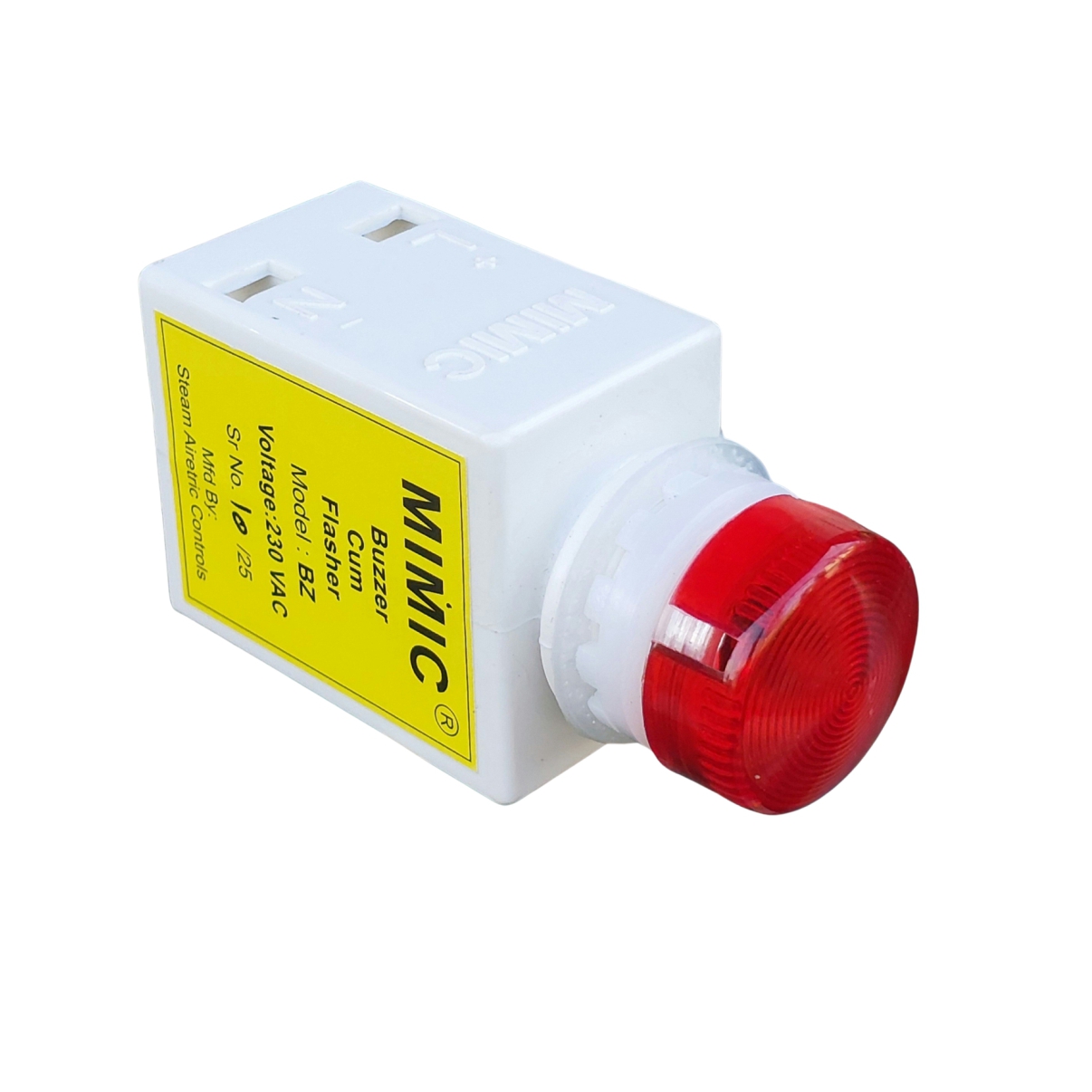
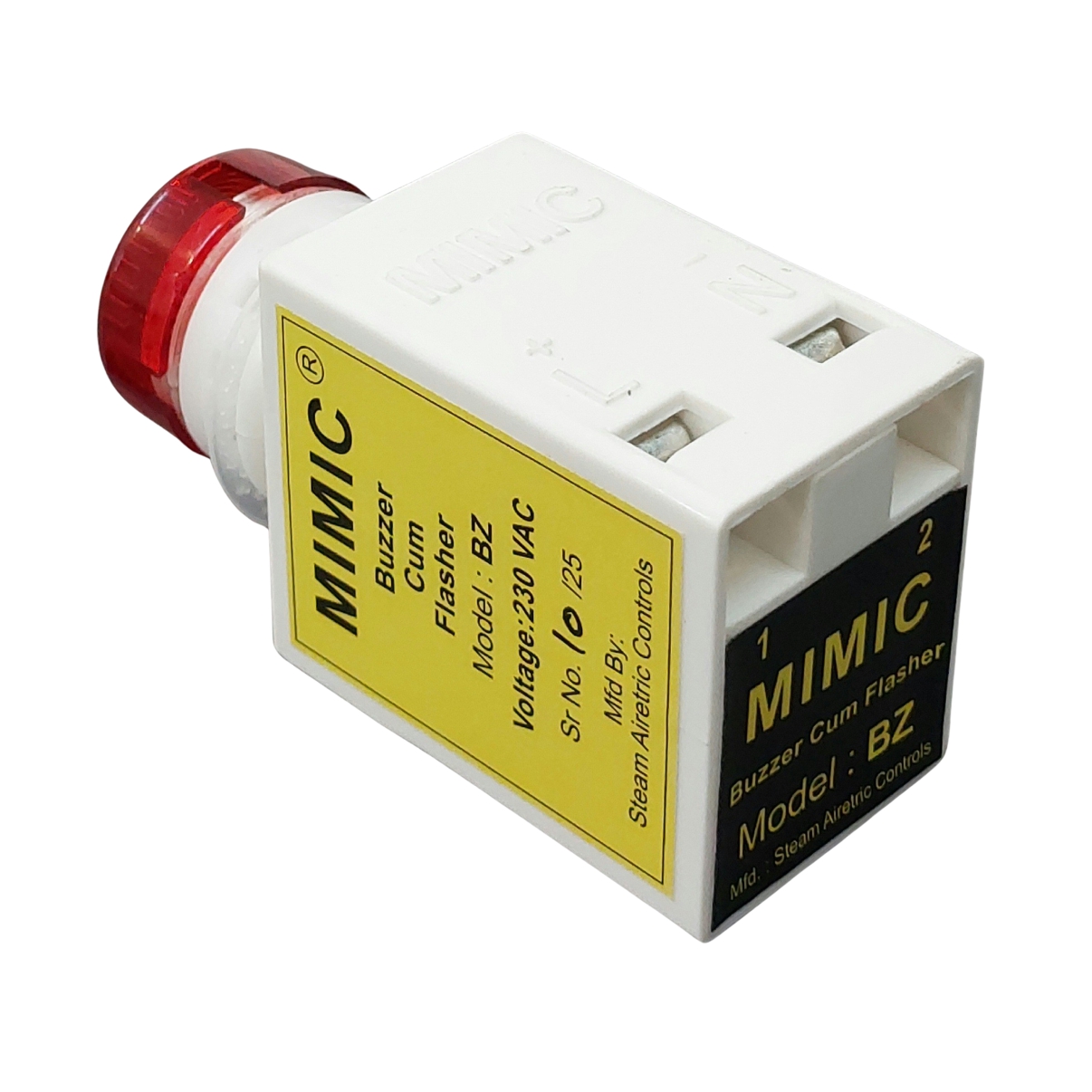
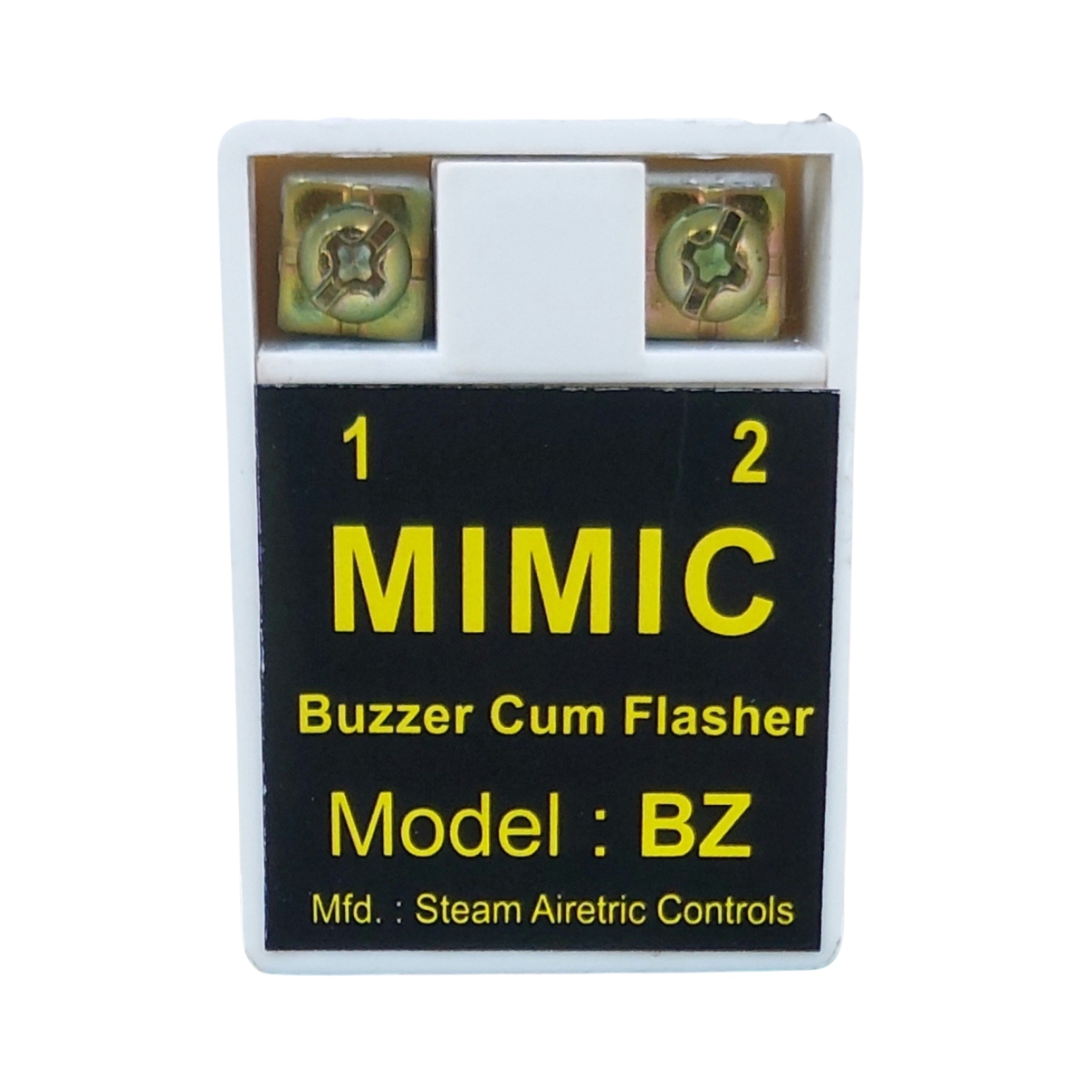
Industries often integrate LED indicating lamps with Annunciation Windows, Electronic Panel Hooters, and Buzzer Cum Flashers for complete industrial monitoring solutions.
What is an LED Indicating Lamp?
An LED indicating lamp is a visual signaling device that uses Light Emitting Diode (LED) technology to display machine status, power conditions, operational signals, warning alerts, and fault indications.
LED indicating lamps are commonly installed in electrical panels, industrial machinery, control systems, and automation equipment. Their primary function is to provide clear visual communication to operators and maintenance personnel.
These lamps are available in multiple colors such as red, green, yellow, blue, and white, with each color representing a specific operating condition.
Industries also use Panel Wiring Lamps and Tower Lamps alongside LED indicating lamps for enhanced machine monitoring.
LED Indicating Lamp Guide: Working Principle
Understanding the working principle is an important part of this LED Indicating Lamp Guide. LED indicating lamps operate by converting electrical energy directly into light through semiconductor technology.
When electrical current flows through the LED, it emits light without generating excessive heat. This process makes LED indicating lamps highly energy efficient and reliable.
Depending on system conditions, different LED lamps illuminate to display machine status, fault conditions, or warning signals.
LED Indicating Lamp Guide: Applications
LED indicating lamps are widely used across various industries and applications. Electrical control panels use them to indicate power availability, machine operation, and fault conditions.
Manufacturing facilities rely on LED indicating lamps for machine monitoring, production line supervision, and operational communication.
Automation systems use these lamps to display process conditions, system status, and maintenance requirements.
Industries frequently integrate LED indicating lamps with Semaphore Indicators and Heater Failure Lamps to improve industrial monitoring capabilities.
LED Indicating Lamp Guide: Color Meanings
Color coding is essential for effective visual communication. Different colors convey different operational conditions.
- Green: Normal operation or machine running condition.
- Red: Fault condition, emergency alert, or critical alarm.
- Yellow: Warning condition or maintenance requirement.
- Blue: Special process indication.
- White: General status indication or power availability.
Standardized color usage helps operators quickly interpret machine conditions and respond appropriately.
LED Indicating Lamp Guide: Advantages
LED indicating lamps provide numerous advantages compared to traditional indicator lamps. One of the biggest benefits is energy efficiency.
LED technology consumes significantly less power while producing bright and highly visible illumination.
LED indicating lamps also offer long operational life, reducing maintenance requirements and replacement costs.
Their compact size and durability make them suitable for industrial environments exposed to vibration, dust, and temperature variations.
LED Indicating Lamp Guide: Industrial Uses
Industrial applications of LED indicating lamps include manufacturing plants, power generation facilities, electrical substations, water treatment plants, chemical processing facilities, and automation systems.
These lamps provide reliable visual indication of equipment status and help improve operational efficiency and workplace safety.
Their versatility makes them suitable for virtually any industrial control application.
LED Indicating Lamp Guide: Installation Tips
Proper installation ensures reliable operation. LED indicating lamps should be installed according to manufacturer recommendations and connected to appropriate voltage sources.
Lamps should be positioned where operators can easily observe them during normal operations.
Proper wiring practices and routine inspections help maximize performance and service life.
LED Indicating Lamp Guide: Future Trends
As Industry 4.0 technologies continue to evolve, LED indicating lamps are becoming smarter and more integrated with automation systems.
Future developments may include wireless communication, remote monitoring, predictive maintenance capabilities, and Industrial Internet of Things (IIoT) connectivity.
These innovations will further improve industrial communication and operational efficiency.
Conclusion of LED Indicating Lamp Guide
This LED Indicating Lamp Guide demonstrates why LED indicating lamps are essential components of modern industrial and electrical systems. Their ability to provide reliable visual communication improves machine monitoring, fault detection, operational efficiency, and workplace safety.
Modern LED indicating lamps offer excellent visibility, energy efficiency, durability, and long service life, making them ideal for industrial applications.
As automation technologies continue to advance, LED indicating lamps will remain a critical part of industrial communication and monitoring systems.
Frequently Asked Questions About LED Indicating Lamp Guide
1. What is an LED indicating lamp?
An LED indicating lamp is a visual signaling device that uses LED technology to display machine status, fault conditions, power availability, and operational information.
2. Why are LED indicating lamps preferred over traditional lamps?
LED indicating lamps offer better brightness, lower power consumption, longer lifespan, and reduced maintenance requirements.
3. Where are LED indicating lamps commonly used?
They are used in electrical control panels, manufacturing plants, automation systems, substations, and industrial machinery.
4. What colors are available in LED indicating lamps?
Common colors include red, green, yellow, blue, and white, each representing specific machine conditions.
5. Can LED indicating lamps work with other signaling devices?
Yes, they are commonly integrated with Tower Lamps, Semaphore Indicators, Annunciation Windows, and Electronic Panel Hooters.
6. What is the future of LED indicating lamps?
Future LED indicating lamps will support Industry 4.0 technologies, IIoT integration, remote monitoring, and predictive maintenance systems.