
Heater Failure Lamp – This Heater Failure Lamp Guide explains everything you need to know about heater failure lamps, their working principles, applications, advantages, and importance in industrial heating systems. In modern industries, heating systems play a critical role in manufacturing processes, temperature control, plastic molding, packaging, food processing, and many other applications.
A heater failure can disrupt production, affect product quality, increase operational costs, and create safety concerns. To prevent such issues, industries use Heater Failure Lamps to provide immediate visual indication whenever a heating element fails or operates abnormally.
Heater Failure Lamps help operators quickly identify problems and take corrective action before significant production losses occur.
Industries often integrate Heater Failure Lamps with Annunciation Windows, Electronic Panel Hooters, and Buzzer Cum Flashers to create complete industrial alarm and monitoring systems.
What is a Heater Failure Lamp?
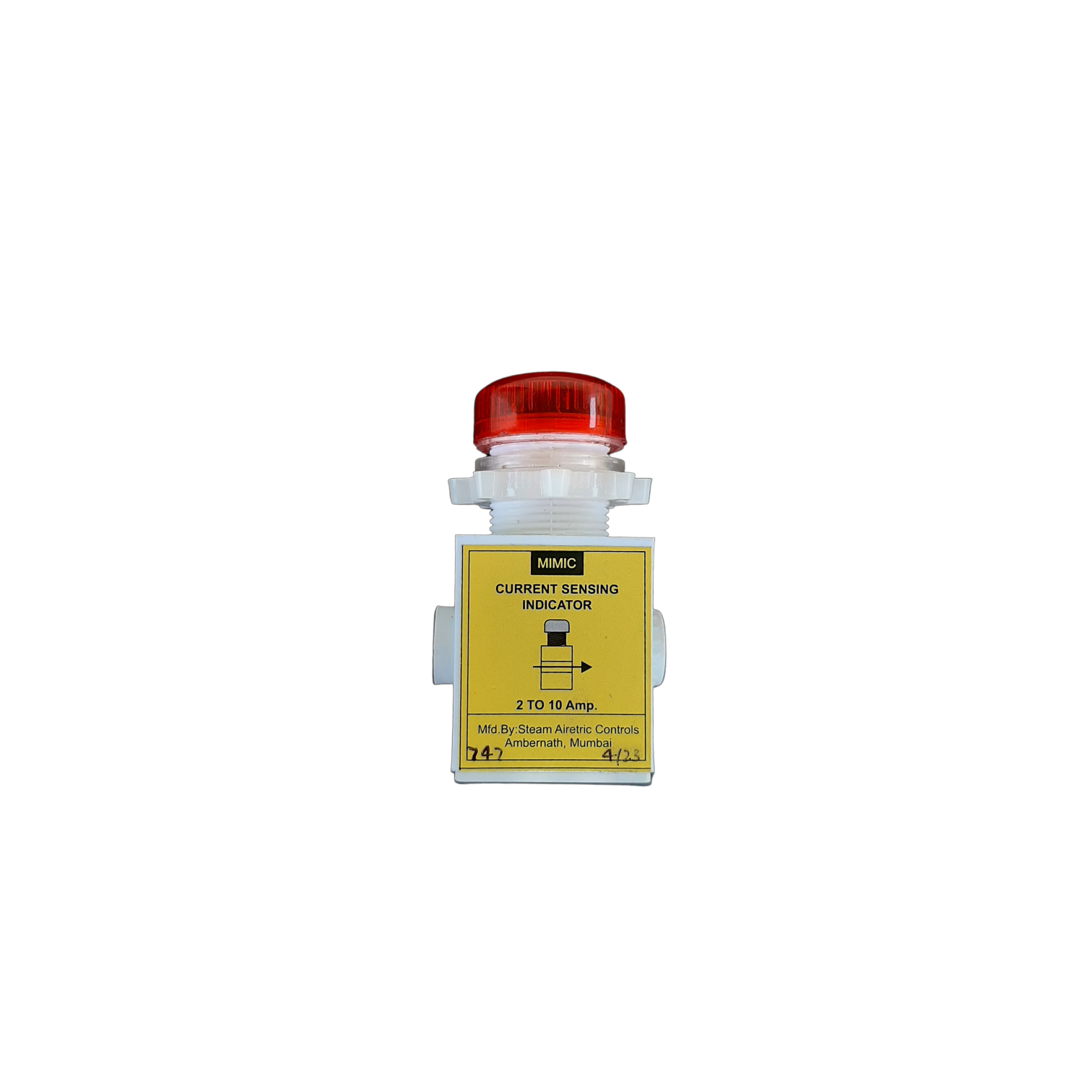
A Heater Failure Lamp is an indicator device designed to alert operators when a heating element, heater circuit, or temperature control system fails to function properly.
These lamps are commonly installed in electrical control panels, industrial heating systems, ovens, furnaces, extruders, and process control equipment.
The Heater Failure Lamp provides a clear visual warning that enables maintenance personnel to quickly identify and resolve heating-related issues.
Industries also use Panel Wiring Lamps and LED Indicating Lamps alongside Heater Failure Lamps for enhanced machine monitoring.
How Does a Heater Failure Lamp Work?
A Heater Failure Lamp works by monitoring the current flow, voltage level, or operational status of a heating element. When a heater stops functioning correctly due to a broken element, wiring fault, or control system failure, the lamp is activated.
In some systems, heater failure relays continuously monitor heater performance and trigger the Heater Failure Lamp whenever abnormal conditions are detected.
This immediate visual indication helps operators identify problems before they impact production quality.
Importance of a Heater Failure Lamp Guide in Industrial Operations
Understanding a Heater Failure Lamp Guide is important because heating systems are often critical components of industrial processes.
Even a single heater failure can result in temperature inconsistencies, product defects, process interruptions, and increased operational costs.
Heater Failure Lamps provide early fault detection, helping industries maintain consistent process quality and equipment reliability.
Applications of Heater Failure Lamps
Heater Failure Lamps are widely used across various industrial sectors where temperature control is essential.
Common applications include plastic processing machines, extrusion equipment, injection molding systems, industrial ovens, furnaces, packaging machinery, textile manufacturing equipment, and food processing plants.
They are also used in chemical industries, pharmaceutical facilities, and process control systems requiring precise temperature regulation.
Many industries integrate Heater Failure Lamps with Tower Lamps and Semaphore Indicators for comprehensive visual signaling solutions.
Benefits of Using Heater Failure Lamps
- Early detection of heater failures
- Reduced production downtime
- Improved product quality
- Enhanced process control
- Lower maintenance costs
- Improved workplace safety
- Quick troubleshooting capabilities
- Reliable visual fault indication
Heater Failure Lamp Guide for Electrical Control Panels
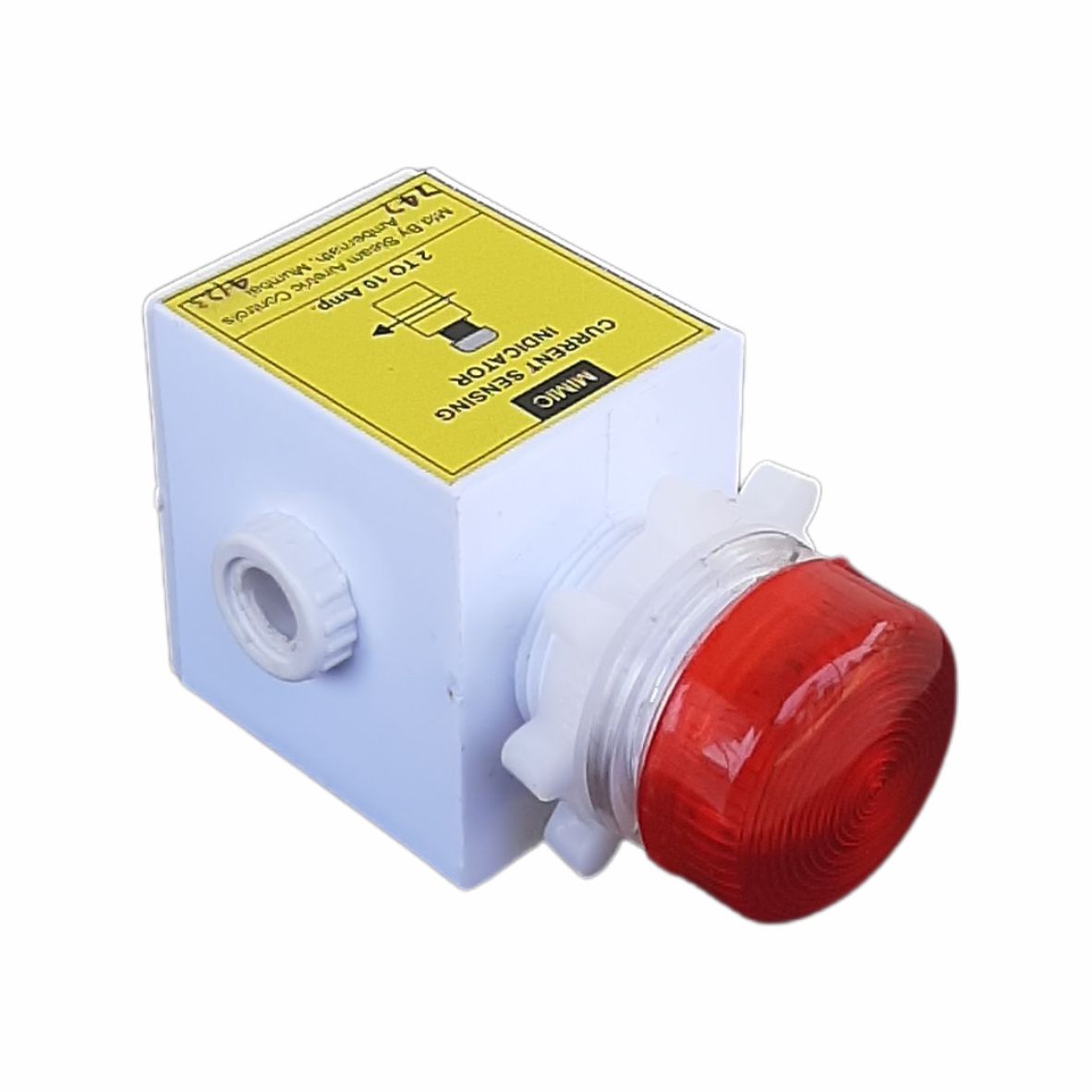
Electrical control panels frequently incorporate Heater Failure Lamps to monitor heating circuits and temperature control equipment.
These indicators provide operators with immediate feedback regarding heater performance and system health.
Proper panel integration improves operational efficiency and simplifies maintenance activities.
Installation Considerations for Heater Failure Lamps
Proper installation is essential for achieving reliable performance from Heater Failure Lamps.
Indicators should be mounted in easily visible locations within control panels to ensure operators can quickly recognize failure conditions.
Electrical connections must be secure, and voltage ratings should match system requirements.
Maintenance Tips from a Heater Failure Lamp Guide
Regular inspection and maintenance help ensure reliable operation of Heater Failure Lamps.
Maintenance activities should include checking electrical connections, cleaning indicator surfaces, verifying lamp functionality, and testing alarm circuits.
Preventive maintenance reduces unexpected failures and improves system reliability.
Future of Heater Failure Lamp Technology
The future of Heater Failure Lamp technology is closely connected to Industry 4.0 and smart manufacturing initiatives.
Modern heater monitoring systems are becoming increasingly intelligent, offering remote diagnostics, predictive maintenance, and Industrial Internet of Things (IIoT) connectivity.
Smart Heater Failure Lamps may soon provide detailed fault information directly to monitoring software and mobile devices.
Conclusion of the Heater Failure Lamp Guide
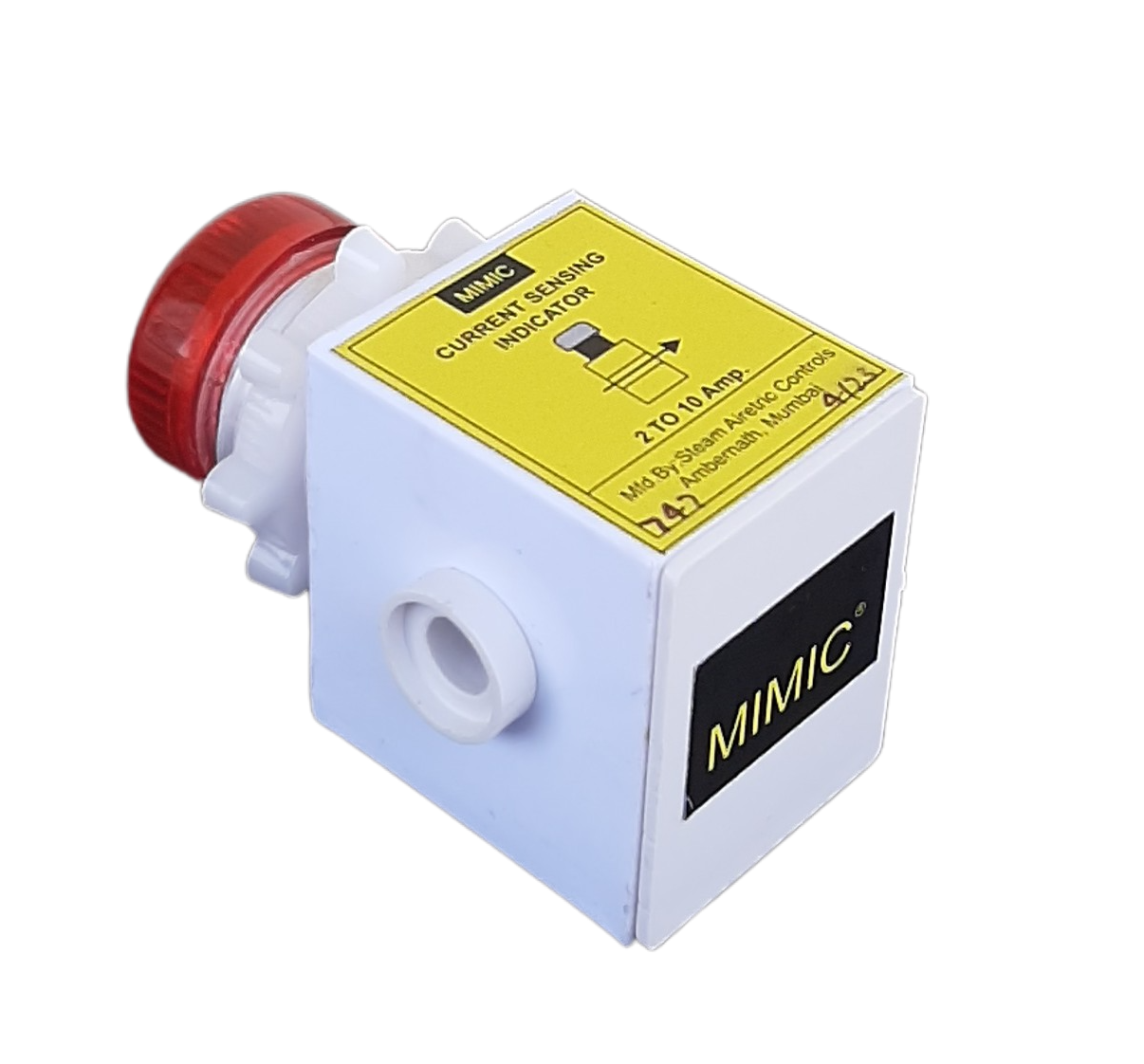
This Heater Failure Lamp Guide demonstrates the importance of reliable heater monitoring systems in industrial operations.
Heater Failure Lamps provide early fault detection, improve process control, reduce downtime, and enhance workplace safety.
As industrial automation continues to evolve, Heater Failure Lamps will remain essential components of modern heating control and monitoring systems.
Frequently Asked Questions About Heater Failure Lamp Guide
1. What is a Heater Failure Lamp?
A Heater Failure Lamp is a visual indicator that alerts operators when a heating element or heater circuit experiences a fault.
2. Why is a Heater Failure Lamp important?
It helps identify heating problems quickly, reducing downtime, maintaining product quality, and improving safety.
3. Where are Heater Failure Lamps commonly used?
They are used in industrial ovens, furnaces, extrusion machines, injection molding systems, packaging equipment, and process control applications.
4. How does a Heater Failure Lamp work?
It monitors heater performance and activates when abnormal operating conditions or heater failures are detected.
5. Can Heater Failure Lamps work with other signaling devices?
Yes, they are commonly integrated with Tower Lamps, Semaphore Indicators, Annunciation Windows, and Electronic Panel Hooters.
6. What is the future of Heater Failure Lamp technology?
Future systems will support smart monitoring, predictive maintenance, remote diagnostics, and IIoT connectivity.