
Smart Annunciation Systems for Automation are transforming the way industries monitor equipment, manage alarms, and improve operational safety. As manufacturing plants, power facilities, and industrial automation systems become more advanced, the need for intelligent fault monitoring and alarm management solutions continues to grow.
Smart Annunciation Systems for Automation provide real-time fault indication, alarm prioritization, equipment monitoring, and event management. These systems help operators quickly identify abnormal conditions and take corrective action before equipment failures or safety incidents occur.
Modern industries rely on Smart Annunciation Systems for Automation to reduce downtime, improve productivity, and support Industry 4.0 initiatives through advanced monitoring technologies.
Industries often integrate Smart Annunciation Systems for Automation with Annunciation Windows for complete alarm management solutions.
What Are Smart Annunciation Systems for Automation?
Smart Annunciation Systems for Automation are advanced alarm monitoring solutions designed to detect, display, and manage fault conditions within automated industrial environments.
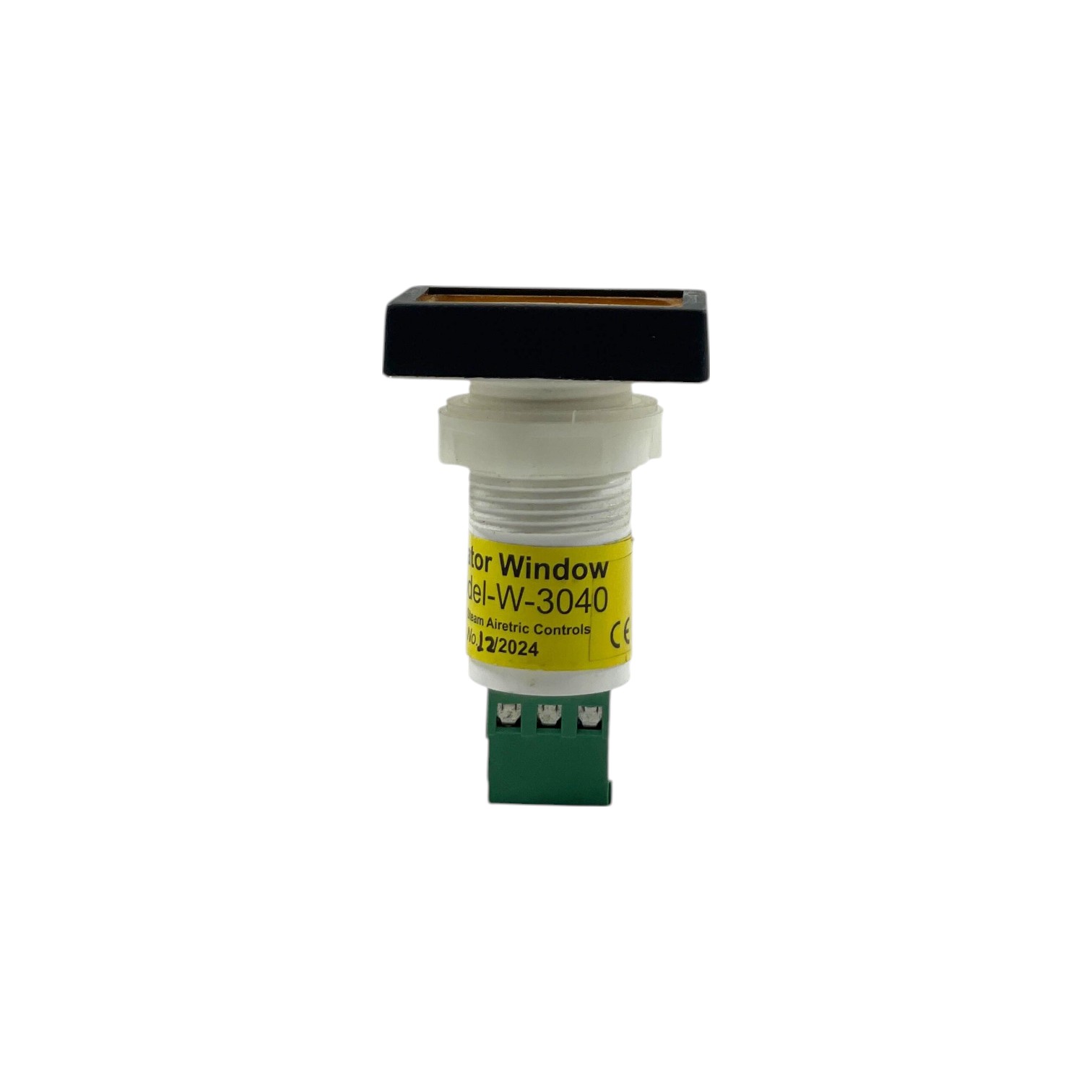
These systems use LED annunciation windows, intelligent controllers, communication interfaces, and software-based monitoring platforms to provide accurate alarm information.
Unlike traditional annunciator panels, smart systems can prioritize alarms, store event histories, and support remote monitoring capabilities.
Industries also use Industrial Safety Through Alarm Indication and Choosing the Right Annunciation Window System alongside Smart Annunciation Systems for Automation to improve fault visibility and equipment monitoring.
How Smart Annunciation Systems for Automation Work
Smart Annunciation Systems for Automation continuously receive signals from sensors, PLCs, relays, SCADA systems, and industrial controllers.
When an abnormal condition occurs, the corresponding annunciation window illuminates and displays a fault message. Audible alarms may also activate to ensure operators are immediately aware of the issue.
Advanced systems can log events, analyze alarm patterns, and generate reports for maintenance and operational teams.

Benefits of Smart Annunciation Systems for Automation
- Real-time fault detection
- Centralized alarm management
- Improved workplace safety
- Reduced equipment downtime
- Faster troubleshooting
- Remote monitoring capabilities
- Event logging and reporting
- Support for predictive maintenance
Applications of Smart Annunciation Systems for Automation
Smart Annunciation Systems for Automation are widely used in manufacturing facilities, power plants, substations, process industries, oil and gas facilities, water treatment plants, and industrial automation systems.
They monitor critical equipment such as motors, transformers, generators, switchgear, production lines, and process control systems.
Their ability to provide immediate fault notification helps improve operational reliability and efficiency.
Many facilities integrate Smart Annunciation Systems for Automation with Importance of Alarm Annunciator Systems and Fault Detection Systems to create complete visual warning and signaling systems.
Smart Annunciation Systems for Automation in Industry 4.0
Industry 4.0 technologies are significantly enhancing Smart Annunciation Systems for Automation.
Through Industrial Internet of Things (IIoT) connectivity, cloud-based monitoring, and advanced analytics, modern annunciation systems can provide predictive fault analysis and intelligent alarm management.
This allows industries to move from reactive maintenance to proactive maintenance strategies.
Role of Smart Annunciation Systems for Automation in Safety Management
Safety is one of the most important benefits of Smart Annunciation Systems for Automation.
These systems provide immediate warnings during equipment failures, process abnormalities, electrical faults, fire incidents, and emergency shutdown situations.
Faster alarm recognition helps reduce risks and improve emergency response times.
Future of Smart Annunciation Systems for Automation
The future of Smart Annunciation Systems for Automation includes artificial intelligence, machine learning, predictive analytics, and advanced industrial networking technologies.
Future systems will automatically prioritize alarms, predict equipment failures, and recommend corrective actions based on real-time data analysis.
These innovations will improve operational efficiency, equipment reliability, and workplace safety.

Conclusion on Smart Annunciation Systems for Automation
Smart Annunciation Systems for Automation are essential components of modern industrial monitoring and alarm management solutions.
Their ability to provide real-time fault detection, centralized alarm management, and advanced analytics helps industries improve safety, reliability, and operational efficiency.
As Industry 4.0 technologies continue to evolve, Smart Annunciation Systems for Automation will play an increasingly important role in intelligent industrial operations.
Frequently Asked Questions About Smart Annunciation Systems for Automation
1. What are Smart Annunciation Systems for Automation?
They are advanced alarm monitoring systems that provide real-time fault detection, alarm management, and equipment monitoring in automated industrial environments.
2. Where are Smart Annunciation Systems for Automation used?
They are used in manufacturing plants, power stations, substations, automation systems, process industries, and control rooms.
3. What are the benefits of Smart Annunciation Systems for Automation?
Benefits include improved safety, reduced downtime, centralized alarm management, predictive maintenance support, and faster fault identification.
4. Can Smart Annunciation Systems for Automation integrate with PLCs and SCADA?
Yes, they can integrate with PLCs, SCADA systems, sensors, relays, and industrial monitoring platforms.
5. How do Smart Annunciation Systems for Automation support Industry 4.0?
They support IIoT connectivity, cloud monitoring, predictive analytics, and intelligent alarm management capabilities.
6. What is the future of Smart Annunciation Systems for Automation?
Future systems will incorporate AI, machine learning, predictive maintenance, remote diagnostics, and advanced alarm analytics.