
Modern industrial systems rely heavily on monitoring and alarm technologies to ensure safe and efficient operations. Factories, power plants, automation systems, electrical substations, and process industries use various signaling devices to detect faults and notify operators about abnormal conditions. Among these important devices, the annunciation window plays a critical role in alarm indication and fault monitoring.
An annunciation window is a visual indication device used in alarm annunciator systems to display fault conditions, warnings, and operational status messages. It is commonly installed in control panels, electrical boards, and industrial monitoring systems where operators need immediate information about equipment conditions.
Industries also use Tower Lamps, Semaphore Indicators, and LED Indicating Lamps along with annunciation systems for improved monitoring and safety.
What is an Annunciation Window?
An annunciation window is a small display section in an alarm annunciator panel that shows a specific alarm message or indication. Each window is associated with a particular fault, machine condition, or process parameter. When an abnormal condition occurs, the corresponding annunciation window illuminates or flashes to alert operators.
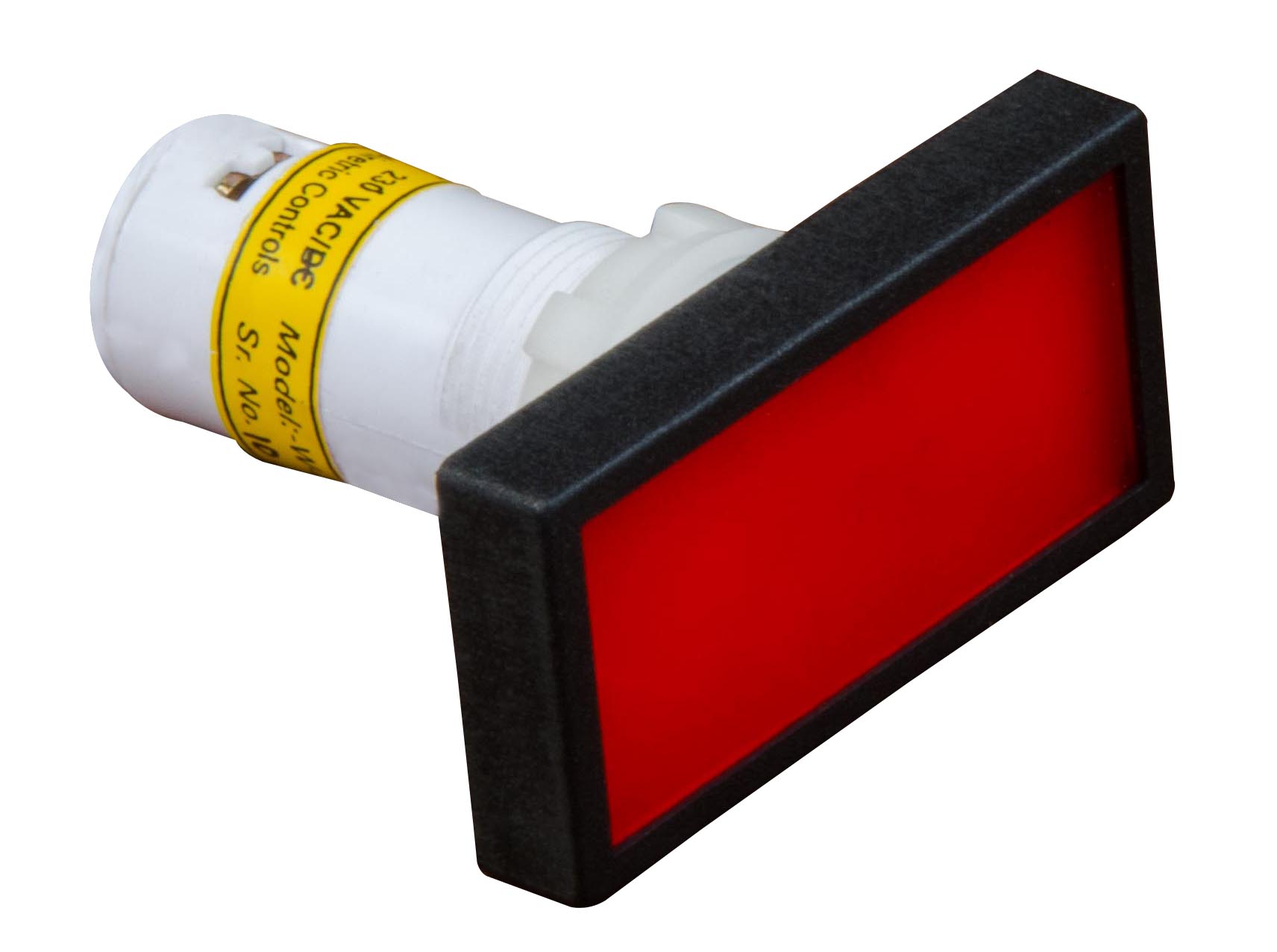
These windows usually contain labels or text descriptions such as “Motor Failure,” “High Temperature,” “Low Pressure,” “Power Failure,” or “Emergency Stop.” The displayed message helps operators immediately understand the nature of the problem.
Modern annunciation systems may include audible alarms, flashing indicators, and digital communication features for enhanced monitoring capabilities. Products such as Electronic Panel Hooters and Buzzer Cum Flashers are commonly integrated with annunciation systems.
Importance of Annunciation Windows
Annunciation windows are extremely important in industrial and electrical systems because they provide quick and accurate fault indication. In large industrial plants, operators may need to monitor hundreds of signals simultaneously. Without organized alarm systems, detecting specific faults could become difficult and lead to operational delays.
The primary purpose of an annunciation window is to improve fault identification and response time. When a problem occurs, the illuminated window immediately informs operators about the issue, enabling faster corrective action. This helps reduce downtime, prevent equipment damage, and improve production efficiency.

Safety is another major reason why annunciation windows are widely used. In critical environments such as power plants, chemical industries, and automation systems, equipment failures can create dangerous situations.
For advanced industrial safety systems, companies also install Heater Failure Lamps and Panel Wiring Lamps inside electrical control panels.
Applications of Annunciation Windows
Annunciation windows are widely used in industrial automation and electrical systems. In power generation plants, they monitor turbines, generators, transformers, circuit breakers, and electrical protection systems.
In manufacturing industries, annunciation windows help monitor machinery, production lines, motors, and process equipment. Fault indications such as overheating, overloads, low pressure, or motor failures are displayed clearly for operators and maintenance teams.

Commercial buildings and HVAC systems use annunciation panels for fire alarms, emergency systems, and building automation.
Industrial facilities also combine annunciation systems with Industrial Tower Lamps and Semaphore Signal Indicators for better warning and monitoring solutions.
Advantages of Annunciation Windows
One of the biggest advantages of annunciation windows is clear fault identification. Operators can immediately recognize the nature and location of a problem without analyzing complex system data.
Faster response time is another important benefit. Immediate alarm indication allows operators to take quick corrective action, reducing downtime and minimizing equipment damage.
Modern LED annunciation windows provide excellent visibility and energy efficiency. LED technology consumes less power while offering bright and long-lasting illumination.
Organized alarm management is another major advantage. Annunciation systems help industries manage multiple alarms systematically, reducing confusion during critical situations.
Conclusion
Annunciation windows are essential components of industrial alarm and monitoring systems. They provide clear visual indications that help operators quickly identify faults, warnings, and abnormal conditions in complex industrial environments.
Their ability to improve safety, reduce downtime, and simplify maintenance makes them highly valuable in industries such as power generation, manufacturing, automation, oil and gas, and process control.
Modern annunciation systems with LED technology and smart communication features offer excellent reliability, visibility, and operational efficiency. As industrial automation continues to evolve, annunciation windows will remain an important part of safe and efficient industrial operations.
Frequently Asked Questions (FAQs)
1. What is the purpose of an annunciation window?
An annunciation window is used to display alarm messages and fault indications in industrial and electrical systems. It helps operators quickly identify abnormal conditions and improve response time.
2. Where are annunciation windows used?
Annunciation windows are commonly used in power plants, electrical control panels, automation systems, manufacturing industries, substations, and process industries.
3. Why are LED annunciation windows preferred?
LED annunciation windows are preferred because they offer better visibility, lower power consumption, longer lifespan, and reduced maintenance requirements compared to traditional lamps.
4. Can annunciation systems work with hooters and flashers?
Yes, annunciation systems are often integrated with Electronic Panel Hooters and Buzzer Cum Flashers to provide both visual and audible alarm indications.
5. What are the advantages of annunciation windows?
Annunciation windows improve fault identification, reduce downtime, enhance industrial safety, and simplify troubleshooting and maintenance operations.
6. How do annunciation windows improve industrial safety?
Annunciation windows provide immediate visual alarms during abnormal conditions, allowing operators to take quick corrective actions and prevent equipment damage or accidents.