
In modern industrial environments, fault detection plays a critical role in maintaining operational safety, equipment reliability, and production efficiency. Industries such as manufacturing, power generation, automation, oil and gas, and process control systems depend on advanced monitoring technologies to quickly identify abnormal conditions. One of the most effective devices used for this purpose is the annunciation window.
Annunciation windows are visual alarm indication devices used in alarm annunciator systems to display fault messages and operational warnings. These systems help operators immediately identify equipment failures, process abnormalities, and emergency situations. By providing quick and accurate alarm indications, annunciation windows significantly improve fault detection and response time.
Industrial facilities also use Annunciation Windows together with annunciation systems for better fault monitoring and warning indications.
What is an Annunciation Window?
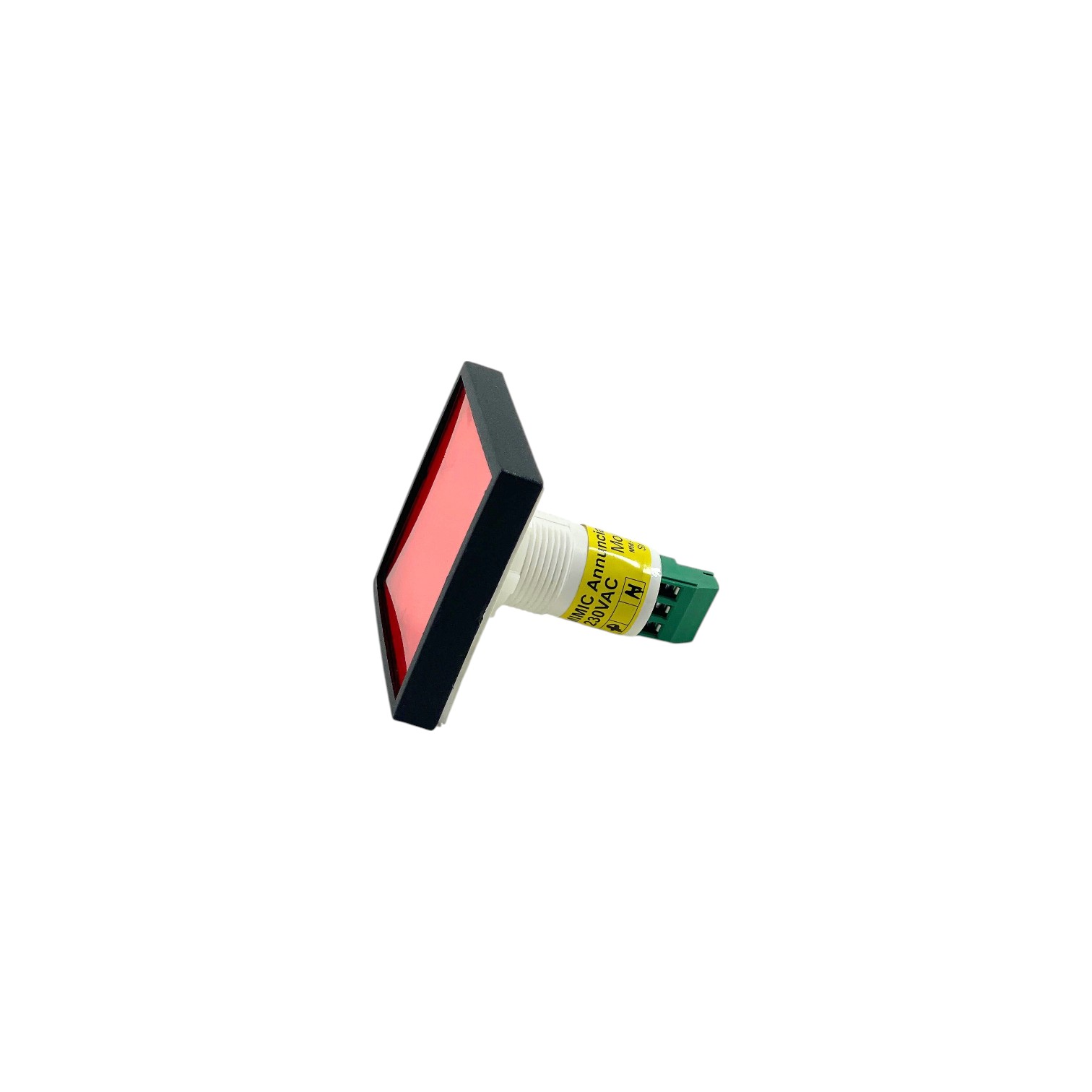
An annunciation window is a display section in an alarm annunciator panel that illuminates or flashes when a fault or abnormal condition occurs. Each window is assigned to a specific machine, process, or electrical parameter.
The annunciation window displays fault descriptions such as “Motor Failure,” “High Temperature,” “Low Pressure,” “Power Failure,” or “Emergency Stop.” These clear indications help operators quickly understand the exact nature of the problem.
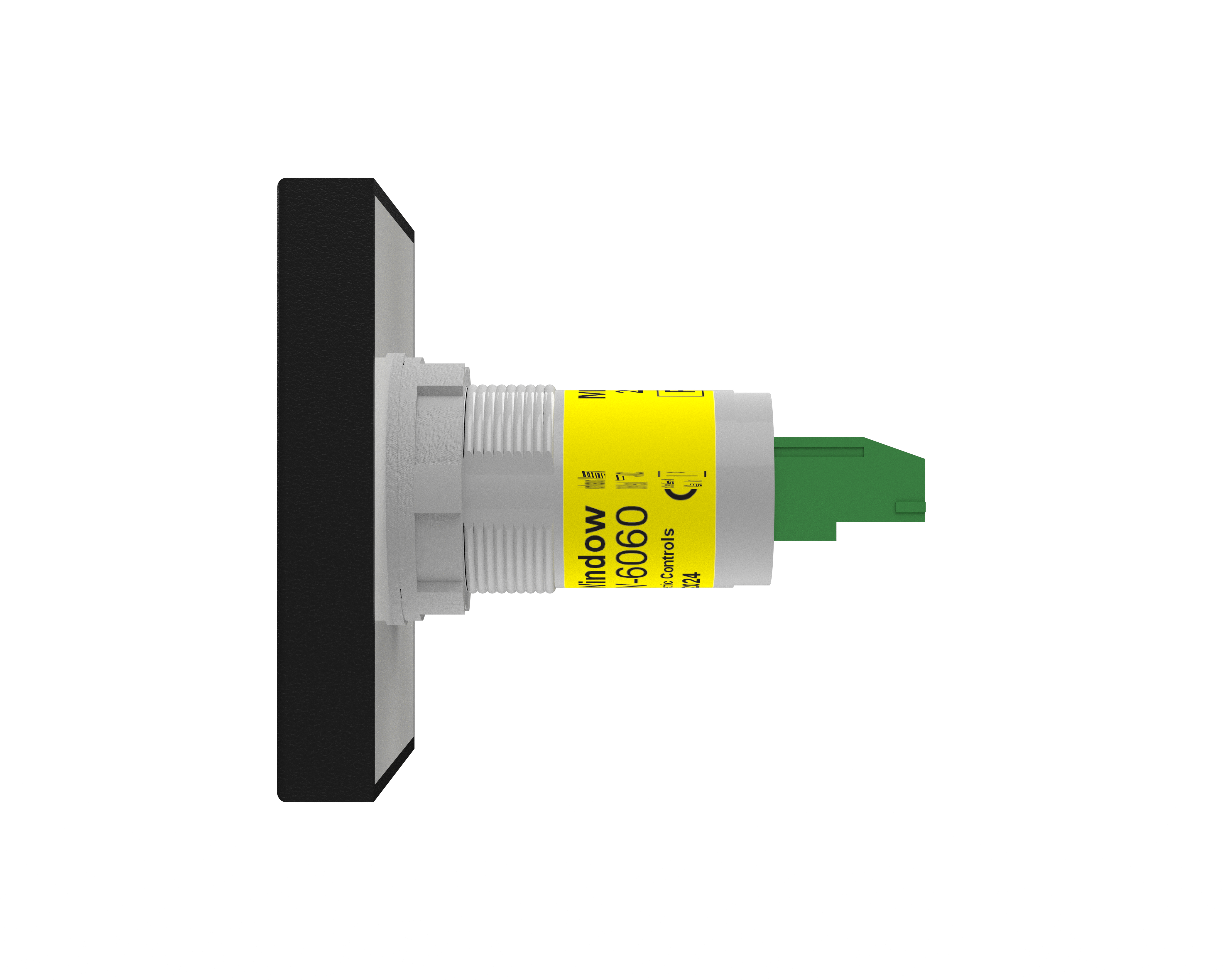
Modern annunciation systems are commonly integrated with Applications of Annunciator Panels in Industry and LED Annunciation Windows in Modern Systems to provide both visual and audible warning signals.
Importance of Fault Detection in Industrial Systems
Industrial machinery and electrical systems operate continuously under demanding conditions. Faults such as overheating, overloads, voltage fluctuations, motor failures, and process abnormalities can occur unexpectedly. If these problems are not detected quickly, they can lead to equipment damage, production downtime, and safety hazards.
Fault detection systems are designed to monitor operational parameters continuously and provide instant alerts whenever abnormal conditions are detected. Annunciation windows are an important part of these systems because they display fault information clearly and accurately.
In many industries, operators may need to monitor hundreds of signals simultaneously. Annunciation systems help organize alarms systematically, reducing confusion and enabling faster decision-making during emergencies.
How Annunciation Windows Improve Fault Detection
Annunciation windows improve fault detection by providing immediate visual indications whenever a fault occurs. As soon as the monitoring system detects abnormal conditions, the related annunciation window illuminates or flashes to attract attention.
This instant indication allows operators to identify the exact fault location without manually inspecting the entire system. Faster fault identification reduces troubleshooting time and helps maintenance teams take quick corrective action.
Many annunciation systems also include audible alarms through Benefits of Alarm Monitoring Systems and Difference Between Alarm Windows and Indicators, ensuring that warnings are noticed even in noisy industrial environments.

Modern systems use programmable logic controllers (PLCs), sensors, and digital monitoring devices to improve alarm management. Advanced annunciation systems can prioritize alarms, record events, and provide remote monitoring features for better operational control.
Industries also integrate Smart Annunciation Systems for Automation and Industrial Safety Alarm Indication Systems into electrical control systems for additional fault indication and monitoring capabilities.
Applications of Annunciation Windows in Fault Detection
Annunciation windows are widely used in power plants, manufacturing industries, substations, process industries, HVAC systems, oil and gas facilities, and automation systems.
In power generation plants, annunciation windows monitor generators, transformers, turbines, and protection systems. In manufacturing industries, they monitor machinery, motors, production lines, and conveyor systems.
Chemical and pharmaceutical industries use annunciation systems to monitor pressure, temperature, and flow conditions. Immediate fault indication helps maintain safety and product quality.
Commercial buildings and HVAC systems also use annunciation panels for fire alarms, emergency systems, and building automation applications.
Advantages of Annunciation Windows
One of the major advantages of annunciation windows is faster fault detection and response time. Operators can identify the exact problem quickly and prevent serious equipment failures.
Annunciation systems also improve workplace safety by providing early warning indications during dangerous conditions such as overheating, overloads, and electrical faults.
LED-based annunciation systems offer high visibility, low power consumption, long operational life, and minimal maintenance requirements.
Their organized alarm display structure reduces confusion and simplifies troubleshooting for maintenance teams.
Future of Fault Detection Systems
The future of annunciation windows and fault detection systems is closely connected with Industry 4.0 and smart manufacturing technologies. Modern systems are becoming more intelligent with wireless communication, remote monitoring, and Industrial Internet of Things (IIoT) integration.
Smart annunciation systems can now send alerts directly to mobile devices and monitoring software, enabling faster response and predictive maintenance operations.
As industries continue adopting digital automation technologies, annunciation windows will remain essential for efficient fault detection and industrial safety.
Conclusion
Annunciation windows play a critical role in improving fault detection in industrial and electrical systems. Their ability to provide clear visual alarm indications helps operators quickly identify abnormal conditions and respond effectively.
By reducing downtime, improving maintenance efficiency, and enhancing workplace safety, annunciation systems have become essential components of modern industrial monitoring solutions.
With advancements in automation and smart monitoring technologies, annunciation windows will continue to play an important role in industrial safety and fault management systems.
Frequently Asked Questions (FAQs)
1. What is an annunciation window?
An annunciation window is a visual display section used in alarm annunciator systems to indicate faults, warnings, and abnormal operating conditions.
2. How do annunciation windows improve fault detection?
Annunciation windows provide instant visual indications when faults occur, helping operators quickly identify and respond to equipment or process problems.
3. Where are annunciation windows commonly used?
They are commonly used in power plants, manufacturing industries, substations, automation systems, HVAC systems, and process industries.
4. Can annunciation systems work with audible alarms?
Yes, annunciation systems are often integrated with Electronic Panel Hooters and Buzzer Cum Flashers for both visual and audible alarm indications.
5. What are the benefits of LED annunciation windows?
LED annunciation windows offer better visibility, lower power consumption, long operational life, and reduced maintenance requirements.
6. Why are annunciation systems important for industrial safety?
These systems provide early warning alerts during abnormal conditions, helping prevent accidents, equipment damage, and production downtime.