
Understanding the Difference Between Hooter vs Buzzer Flasher is important for industries that rely on efficient alarm systems and workplace safety solutions. Both devices are widely used in industrial environments to alert operators about faults, emergencies, machine failures, and abnormal operating conditions. Although they serve similar warning purposes, their design, functionality, and applications differ significantly.
Hooters are primarily audible alarm devices designed to generate loud warning sounds, while Buzzer Flashers combine both audible and visual warning functions in a single unit. Choosing the right device depends on the operating environment, alarm requirements, and safety objectives.
Industries use both Hooters and Buzzer Flashers to improve safety, reduce downtime, and ensure quick operator response during critical situations.
Many facilities integrate these devices with Buzzer Cum Flasher – A Powerful Warning and Signaling Device for comprehensive alarm management systems.
What is a Hooter?
A Hooter is an audible alarm device that generates a loud warning sound whenever an abnormal condition or emergency occurs.
Hooters are commonly installed in electrical control panels, industrial plants, manufacturing facilities, and automation systems where immediate audible notification is required.
Their primary purpose is to attract attention quickly through sound alone.
What is a Buzzer Flasher?
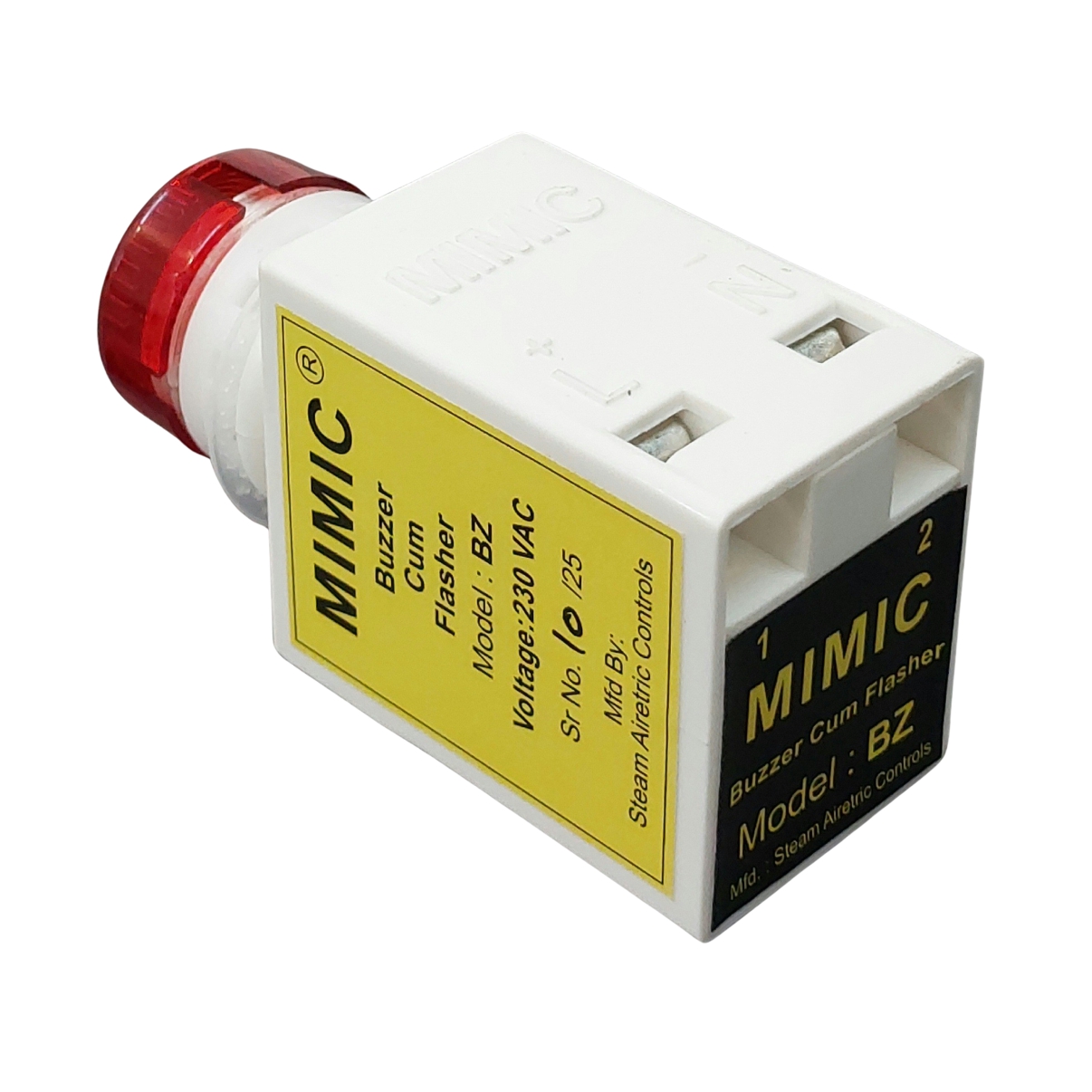
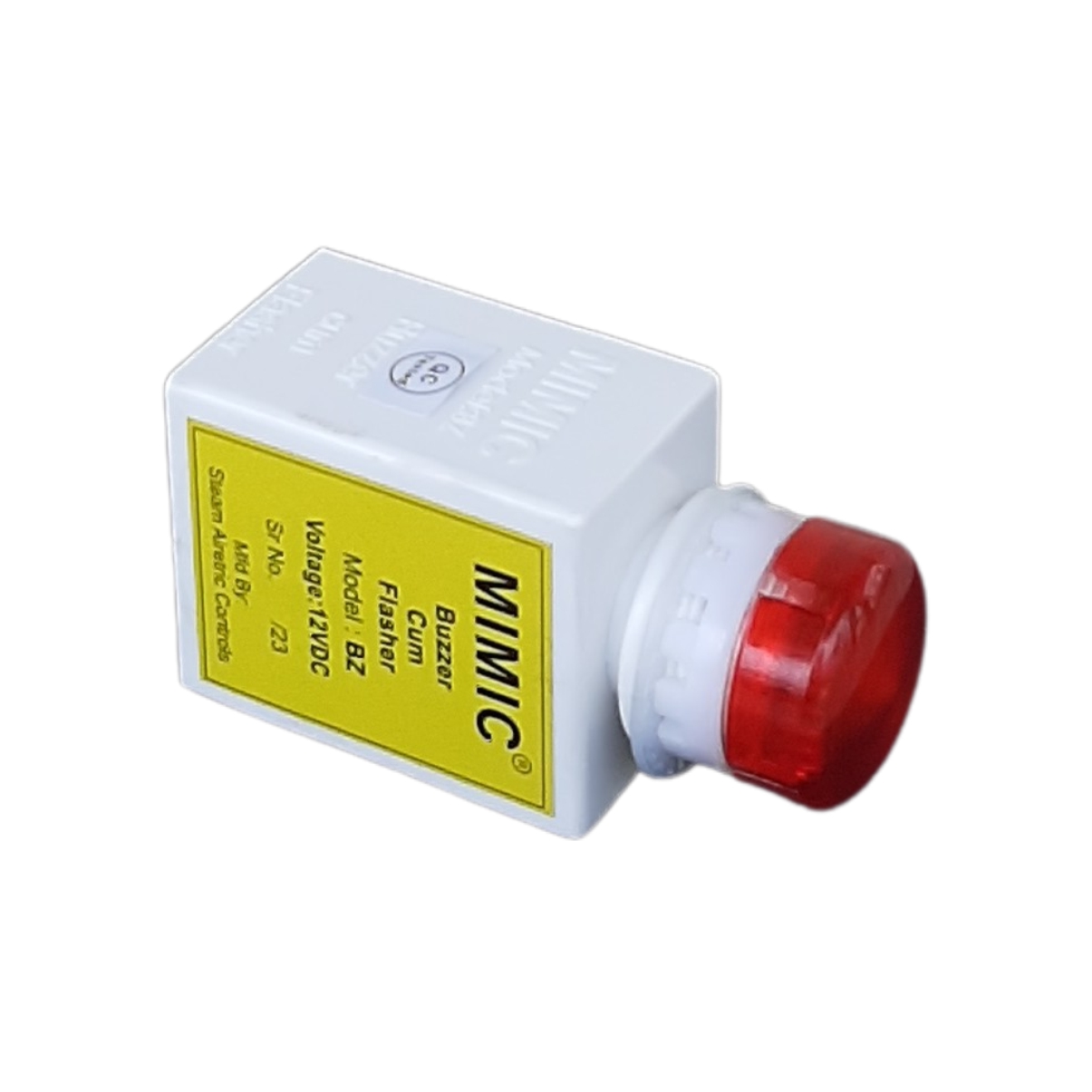
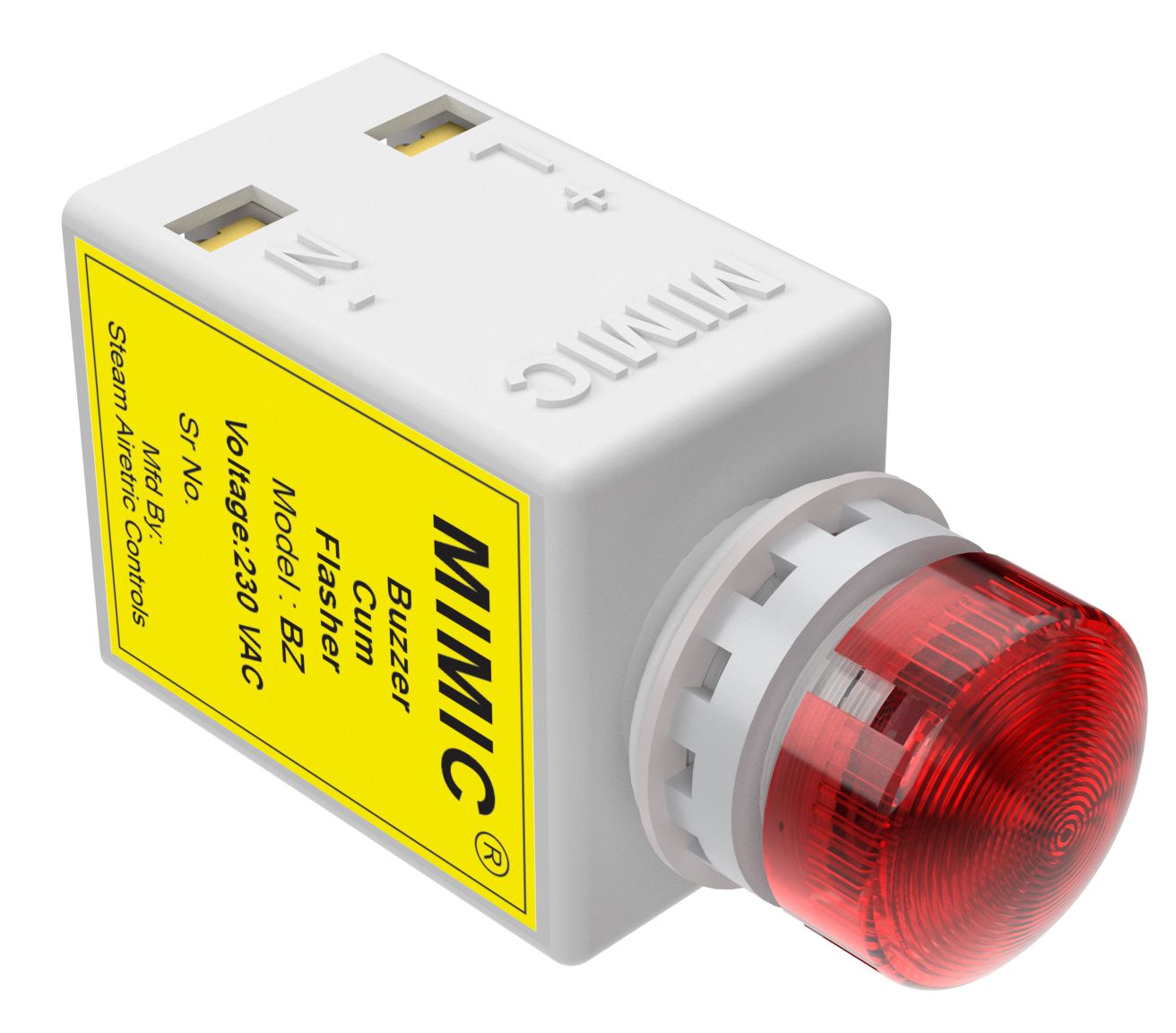
A Buzzer Flasher is a combined audio-visual alarm device that includes both an audible buzzer and a flashing light.
When activated, the buzzer produces a warning sound while the flasher emits a bright blinking light.
This dual-warning functionality improves alarm visibility and ensures that warnings are noticed even in noisy industrial environments.
Industries also use Smart Warning Systems for Factories and Audible Visual Alarm Buzzer Cum Flasher alongside Buzzer Flashers for enhanced fault indication.
Difference Between Hooter and Buzzer Flasher in Functionality
One major Difference Between Hooter and Buzzer Flasher is their functionality.
A Hooter provides only an audible alarm signal, whereas a Buzzer Flasher provides both audible and visual warning indications.
Because of this additional visual component, Buzzer Flashers are often preferred in environments where operators may not hear alarms clearly.
Difference Between Hooter and Buzzer Flasher in Visibility
Hooters rely entirely on sound to communicate alarm conditions.
Buzzer Flashers improve alarm effectiveness by combining flashing lights with audible alerts, making alarm conditions easier to identify.
This enhanced visibility improves safety and response times.
Difference Between Hooter and Buzzer Flasher in Applications
Hooters are commonly used in control panels, emergency alarm systems, machine fault indication systems, and industrial facilities where audible alarms are sufficient.
Buzzer Flashers are commonly used in manufacturing plants, warehouses, automation systems, conveyor systems, safety monitoring installations, and emergency warning systems.
Many industries integrate Buzzer Flashers and Hooters with Audio Visual Alarm Systems and Industrial Alarm Flashers to create complete visual and audible signaling systems.
Difference Between Hooter and Buzzer Flasher in Safety Performance
Another important Difference Between Hooter and Buzzer Flasher is safety performance.
While Hooters provide strong audible warnings, Buzzer Flashers offer an additional visual signal that increases alarm recognition and reduces the likelihood of missed alerts.
This makes Buzzer Flashers particularly effective in noisy industrial environments.
Advantages of Hooters
- Loud audible warning signals
- Simple design
- Easy installation
- Reliable operation
- Suitable for large industrial areas
Advantages of Buzzer Flashers
- Combined audible and visual alerts
- Improved safety communication
- Enhanced fault visibility
- Faster operator response
- Suitable for noisy environments
How to Choose Between a Hooter and a Buzzer Flasher
Choosing between a Hooter and a Buzzer Flasher depends on the specific application.
If only an audible warning is required, a Hooter may be sufficient. However, if improved visibility and enhanced safety communication are priorities, a Buzzer Flasher is often the better option.
Many industries use both devices together to achieve maximum alarm effectiveness.
Future of Hooters and Buzzer Flashers
Modern alarm systems are evolving through Industry 4.0 and Industrial Internet of Things (IIoT) technologies.
Future Hooters and Buzzer Flashers may include wireless communication, cloud integration, remote monitoring, predictive maintenance, and programmable alarm patterns.
These innovations will further improve industrial safety and operational efficiency.
Conclusion on Difference Between Hooter and Buzzer Flasher
Understanding the Difference Between Hooter and Buzzer Flasher helps industries select the most suitable warning device for their safety requirements.
Hooters provide reliable audible alarms, while Buzzer Flashers offer both audible and visual warning capabilities.
Both devices play important roles in industrial safety, machine monitoring, and emergency response systems.
Frequently Asked Questions About Difference Between Hooter and Buzzer Flasher
1. What is the main Difference Between Hooter and Buzzer Flasher?
A Hooter provides only an audible alarm, while a Buzzer Flasher provides both audible and visual warning signals.
2. Which is better for noisy industrial environments?
Buzzer Flashers are generally better because they combine sound and flashing light for improved alarm visibility.
3. Where are Hooters commonly used?
Hooters are used in electrical control panels, industrial facilities, emergency warning systems, and automation applications.
4. Where are Buzzer Flashers commonly used?
Buzzer Flashers are used in factories, warehouses, automation systems, production lines, and industrial safety installations.
5. Can Hooters and Buzzer Flashers be integrated with automation systems?
Yes, both devices can be integrated with PLCs, SCADA systems, sensors, relays, and industrial controllers.
6. What is the future of industrial alarm devices?
Future alarm systems will support wireless communication, IIoT connectivity, cloud monitoring, and smart alarm management technologies.