
Industrial Safety Through Alarm Indication Systems is one of the most critical aspects of modern manufacturing, power generation, process control, and automation systems. Industrial facilities operate complex machinery, electrical equipment, and hazardous processes that require continuous monitoring to ensure safe and reliable operation.
Alarm indication systems provide immediate visual and audible alerts whenever abnormal conditions occur. These alerts enable operators to identify problems quickly, take corrective action, and prevent accidents before they escalate into serious incidents.
As industries continue to adopt automation and Industry 4.0 technologies, Industrial Safety Through Alarm Indication has become increasingly important for protecting personnel, equipment, and production processes.
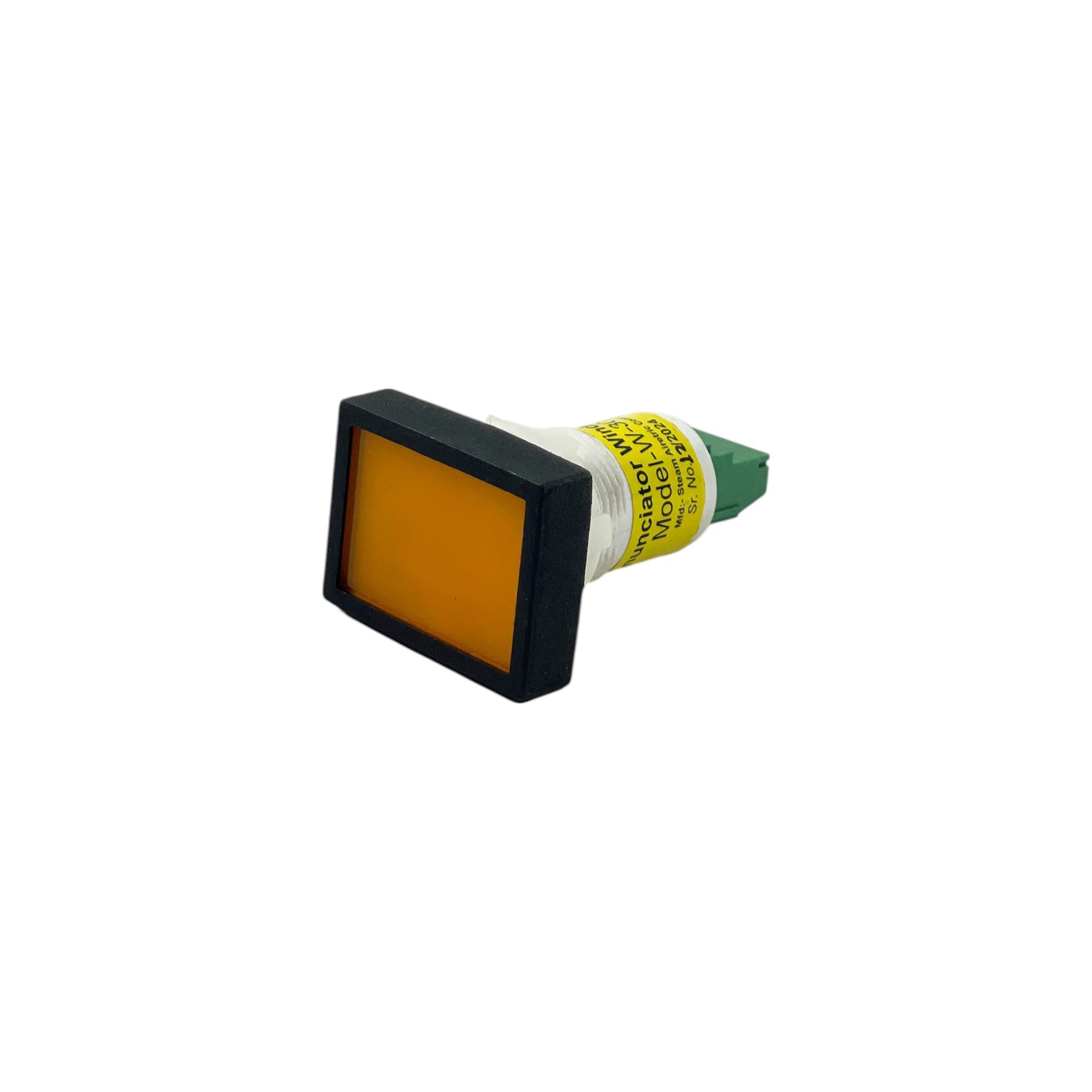
Industries frequently integrate alarm indication systems with Annunciation Windows to create comprehensive safety and monitoring solutions.
What Is Industrial Safety Through Alarm Indication?
Industrial Safety Through Alarm Indication refers to the use of visual and audible alarm systems to detect, communicate, and respond to abnormal operating conditions in industrial environments.
These systems continuously monitor equipment and processes, generating alerts whenever predefined limits are exceeded or faults occur.
Alarm indications help operators identify hazards quickly and respond appropriately to minimize risks.
Industries also use Choosing the Right Annunciation Window System and Importance of Alarm Annunciator Systems alongside alarm indication systems for improved equipment monitoring and status visualization.
How Industrial Safety Through Alarm Indication Works
Alarm indication systems receive signals from sensors, relays, PLCs, SCADA systems, and industrial controllers.
When an abnormal condition such as overheating, pressure fluctuation, electrical fault, or equipment failure occurs, the system immediately activates visual indicators and audible alarms.
This rapid notification allows operators to investigate the issue and implement corrective actions before major problems develop.

Benefits of Industrial Safety Through Alarm Indication
- Improved workplace safety
- Immediate fault detection
- Reduced accident risks
- Enhanced equipment protection
- Faster emergency response
- Reduced downtime
- Improved operational efficiency
- Better maintenance planning
Industrial Safety Through Alarm Indication in Manufacturing Plants
Manufacturing facilities use alarm indication systems to monitor production lines, robotic equipment, conveyor systems, and process machinery.
Immediate alarm notifications help operators detect machine faults quickly and prevent production disruptions.
This improves both safety and productivity.
Industrial Safety Through Alarm Indication in Power Plants
Power generation facilities rely heavily on alarm indication systems to monitor generators, transformers, switchgear, turbines, and protection equipment.
Early fault detection helps prevent equipment damage, service interruptions, and safety incidents.
Alarm indications provide operators with critical information needed for effective decision-making.
Industrial Safety Through Alarm Indication in Automation Systems
Industrial automation systems require continuous monitoring to ensure reliable operation.
Alarm indication systems integrate with PLCs, SCADA platforms, sensors, and industrial controllers to provide centralized fault management.
Many facilities combine alarm indication systems with Fault Detection Systems and Annunciator Panels to create comprehensive visual and audible warning solutions.
Industrial Safety Through Alarm Indication for Process Industries
Chemical plants, pharmaceutical facilities, oil refineries, and food processing units use alarm indication systems to monitor temperature, pressure, flow rate, and process conditions.
Immediate notifications help prevent unsafe operating conditions and maintain process stability.
This improves product quality while reducing operational risks.
Role of Alarm Indication in Emergency Management
Alarm indication systems play a crucial role during emergency situations such as fires, gas leaks, electrical faults, and equipment failures.
Immediate alarms help personnel evacuate safely, isolate hazardous conditions, and minimize damage.
Effective alarm communication is essential for emergency preparedness and response planning.
Future of Industrial Safety Through Alarm Indication
The future of Industrial Safety Through Alarm Indication is closely connected to Industry 4.0, Industrial Internet of Things (IIoT), and artificial intelligence technologies.
Future alarm systems will provide predictive maintenance, intelligent alarm prioritization, cloud monitoring, and advanced analytics capabilities.
These innovations will further improve safety, reliability, and operational efficiency.

Conclusion on Industrial Safety Through Alarm Indication
Industrial Safety Through Alarm Indication is essential for protecting personnel, equipment, and industrial processes.
By providing immediate fault notifications and centralized alarm management, these systems help industries reduce risks, improve productivity, and enhance workplace safety.
As industrial operations continue to become more automated and connected, alarm indication systems will remain fundamental components of safe and efficient facilities.
Frequently Asked Questions About Industrial Safety Through Alarm Indication
1. What is Industrial Safety Through Alarm Indication?
It refers to the use of visual and audible alarm systems to detect faults, communicate hazards, and improve workplace safety in industrial environments.
2. Why is alarm indication important in industry?
Alarm indication helps operators identify abnormal conditions quickly, reducing accidents, downtime, and equipment damage.
3. Where are alarm indication systems used?
They are used in manufacturing plants, power stations, substations, process industries, automation systems, and control rooms.
4. What are the benefits of Industrial Safety Through Alarm Indication?
Benefits include improved safety, faster fault detection, reduced downtime, equipment protection, and enhanced operational efficiency.
5. Can alarm indication systems integrate with automation platforms?
Yes, they can integrate with PLCs, SCADA systems, sensors, relays, and industrial monitoring networks.
6. What is the future of Industrial Safety Through Alarm Indication?
Future systems will incorporate IIoT connectivity, artificial intelligence, predictive maintenance, cloud monitoring, and advanced alarm analytics.