
Understanding the Difference Between Alarm Windows vs Indicators is important for industries that rely on efficient monitoring, fault detection, and alarm management systems. Both Alarm Windows and Indicators are commonly used in electrical control panels, automation systems, substations, and industrial machinery. While they may appear similar, they serve different purposes and provide different levels of information to operators.
Alarm Windows are designed to display specific fault messages and alarm conditions, whereas Indicators are generally used to show the operating status of equipment or circuits through colored lights. Selecting the appropriate device depends on the complexity of the monitoring system and the information required by operators.
Modern industries use both Alarm Windows and Indicators together to improve safety, fault identification, and operational efficiency.
Alarm monitoring systems are often integrated with Annunciation Windows for complete alarm notification solutions.
What Are Alarm Windows?
Alarm Windows are visual alarm indication devices that display specific fault messages, warnings, or abnormal operating conditions.
They are commonly used in Annunciator Panels where each window corresponds to a specific alarm point within a system.
When a fault occurs, the associated Alarm Window illuminates and displays the exact nature of the problem, helping operators identify the issue quickly.
Industries often use Annunciation Windows for centralized fault monitoring and alarm management applications.
What Are Indicators?
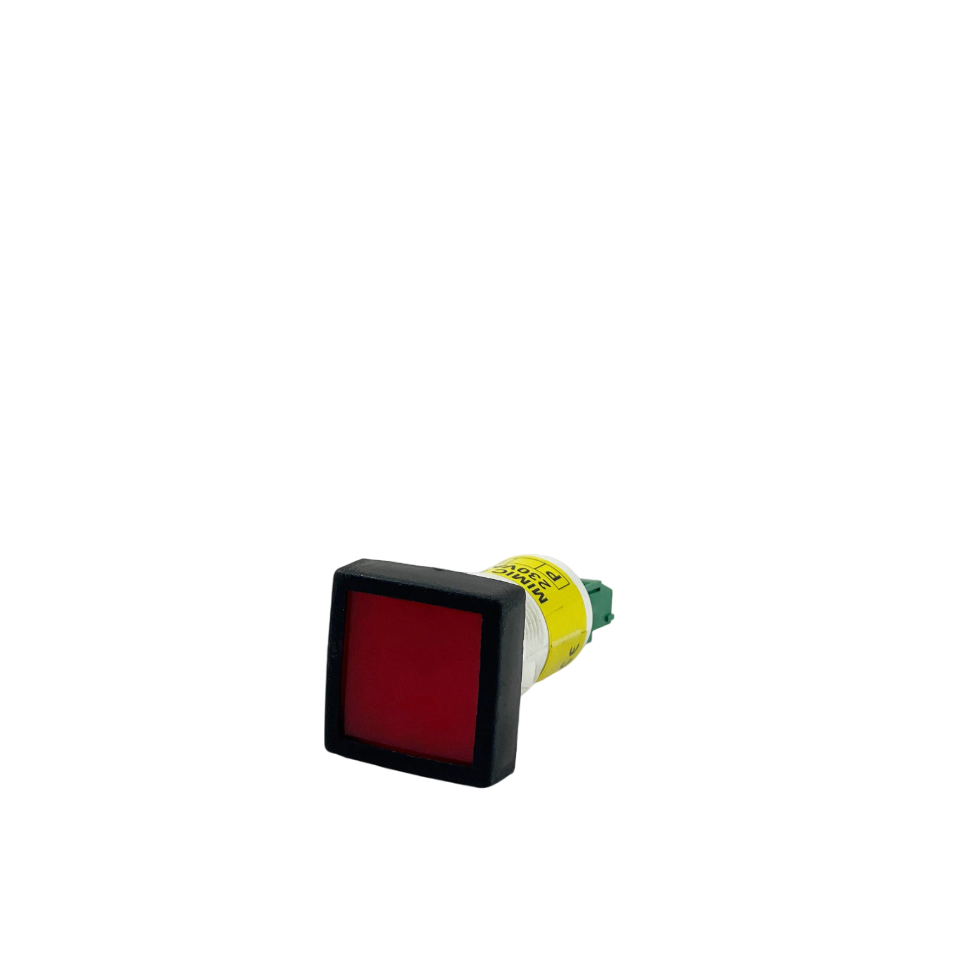
Indicators are simple visual signaling devices that use colored lights to display the operating status of equipment, circuits, or machines.
Common indicator colors include red, green, yellow, blue, and white. Each color represents a specific operating condition such as power ON, machine running, warning status, or fault indication.
Indicators provide quick status information but usually do not display detailed fault descriptions like Alarm Windows.
Industries frequently use Smart Annunciators and Industrial Safety Through Alarm Indication for machine status monitoring and electrical panel indication.

Difference Between Alarm Windows and Indicators in Function
The primary Difference Between Alarm Windows and Indicators is their function.
Alarm Windows provide detailed fault information by displaying specific alarm messages. Indicators simply show operating conditions using colored lights without identifying the exact fault source.
This makes Alarm Windows more suitable for complex monitoring systems where detailed fault identification is required.
Difference Between Alarm Windows and Indicators in Information Display
Alarm Windows display text labels or fault descriptions associated with specific equipment or process conditions.
Indicators only provide visual status information through colors and illumination patterns.
Operators can identify the exact fault location using Alarm Windows, while Indicators require additional investigation to determine the cause of an alarm.
Difference Between Alarm Windows and Indicators in Applications
Alarm Windows are commonly used in power plants, substations, process industries, manufacturing facilities, and centralized control rooms.
Indicators are commonly used in machine control panels, motor control centers, automation systems, electrical distribution panels, and industrial machinery.
Many facilities combine Alarm Windows with Annunciation Windows and Alarm Annunciators for complete visual monitoring systems.
Difference Between Alarm Windows and Indicators in Fault Identification
Alarm Windows offer superior fault identification because they indicate exactly which condition has triggered the alarm.
Indicators provide only a general status indication and do not usually identify specific fault causes.
This makes Alarm Windows particularly valuable in large industrial facilities with multiple monitoring points.
Advantages of Alarm Windows
- Detailed fault identification
- Centralized alarm management
- Improved troubleshooting
- Enhanced operational safety
- Suitable for complex industrial systems
Advantages of Indicators
- Simple operation
- Quick status visualization
- Low installation cost
- Easy maintenance
- Suitable for basic monitoring applications
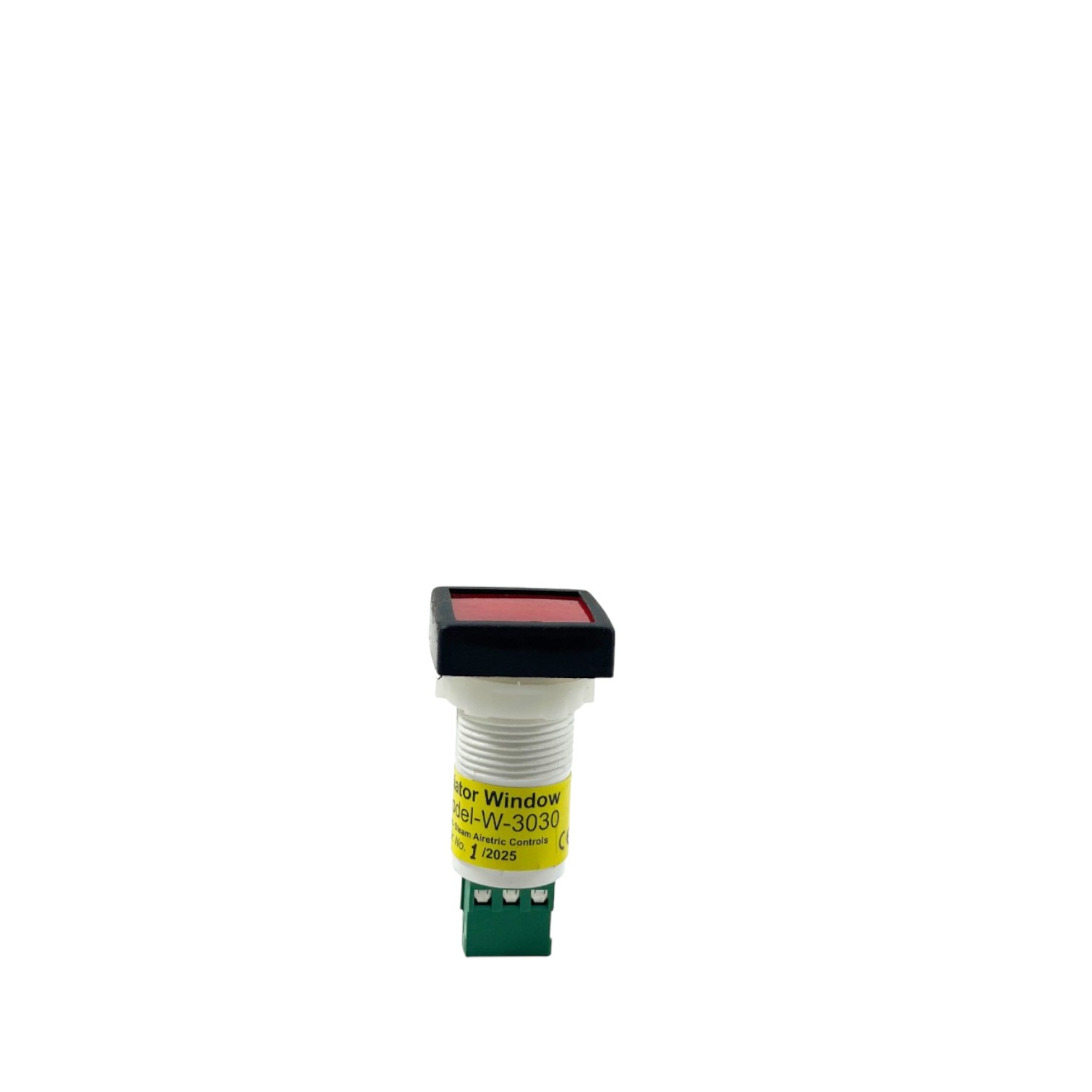
Which Is Better: Alarm Windows or Indicators?
The choice depends on the application requirements.
If detailed fault monitoring and alarm management are required, Alarm Windows are the better choice. For basic machine status indication, Indicators provide a cost-effective and reliable solution.
Many industries use both technologies together to achieve maximum monitoring effectiveness.
Future of Alarm Windows and Indicators
Modern monitoring systems are evolving with Industry 4.0 and Industrial Internet of Things (IIoT) technologies.
Future Alarm Windows and Indicators will support cloud connectivity, remote monitoring, predictive maintenance, and intelligent alarm analytics.
These innovations will further improve industrial safety and operational efficiency.
Conclusion on Difference Between Alarm Windows and Indicators
Understanding the Difference Between Alarm Windows and Indicators helps industries choose the most appropriate monitoring solution for their operations.
Alarm Windows provide detailed fault identification and centralized alarm management, while Indicators offer simple and effective status monitoring.
Together, these devices play a vital role in industrial automation, safety systems, and operational monitoring.
Frequently Asked Questions About Difference Between Alarm Windows and Indicators
1. What is the main Difference Between Alarm Windows and Indicators?
Alarm Windows display detailed fault information, while Indicators show operating status using colored lights.
2. Where are Alarm Windows commonly used?
They are used in power plants, substations, manufacturing facilities, automation systems, and centralized control rooms.
3. Where are Indicators commonly used?
Indicators are used in electrical panels, machine control systems, motor control centers, and industrial machinery.
4. Which provides better fault identification?
Alarm Windows provide better fault identification because they display specific alarm messages and fault descriptions.
5. Can Alarm Windows and Indicators be used together?
Yes, many industries use both devices together to improve monitoring, fault detection, and operational safety.
6. What is the future of Alarm Windows and Indicators?
Future systems will support IIoT connectivity, cloud monitoring, predictive maintenance, and intelligent alarm management technologies.