
Smart LED Indicators – The Future of Smart LED Indication Technology is transforming the way industries monitor machines, manage processes, and improve workplace safety. As industrial automation continues to evolve, traditional indication systems are being replaced by intelligent LED-based solutions that offer real-time communication, advanced diagnostics, and seamless integration with smart manufacturing systems.
Smart LED indicators are no longer limited to displaying simple machine status information. Modern LED indication technology can communicate with programmable logic controllers (PLCs), supervisory control and data acquisition (SCADA) systems, Industrial Internet of Things (IIoT) platforms, and cloud-based monitoring systems.
The Future of Smart LED Indication Technology focuses on improving operational efficiency, predictive maintenance, remote monitoring, and industrial safety while reducing downtime and maintenance costs.
Industries frequently integrate smart LED indicators with LED Indicating Lamp – A Smart and Efficient Signaling Solution to create intelligent alarm and monitoring systems.
What is Smart LED Indication Technology?
Smart LED indication technology refers to advanced LED indicator systems capable of communicating operational data, machine status, fault conditions, and maintenance information beyond simple visual signaling.
Unlike traditional indicators, smart LED indicators can interact with automation systems, transmit data, and support intelligent decision-making processes.
These systems help industries improve machine monitoring, fault detection, and process optimization.
Industries also use What is an LED Indicating Lamp? and Benefits of LED Indication Lamps in Industry alongside smart LED indicators for enhanced industrial communication.
Future of Smart LED Indication Technology in Industry 4.0
Industry 4.0 is one of the major driving forces behind the Future of Smart LED Indication Technology. Smart factories rely on connected devices that continuously exchange information and provide real-time operational visibility.
Smart LED indicators will become increasingly integrated with automated production systems, helping operators monitor equipment performance more effectively.
These technologies will support intelligent manufacturing environments where machines communicate automatically with operators and maintenance teams.
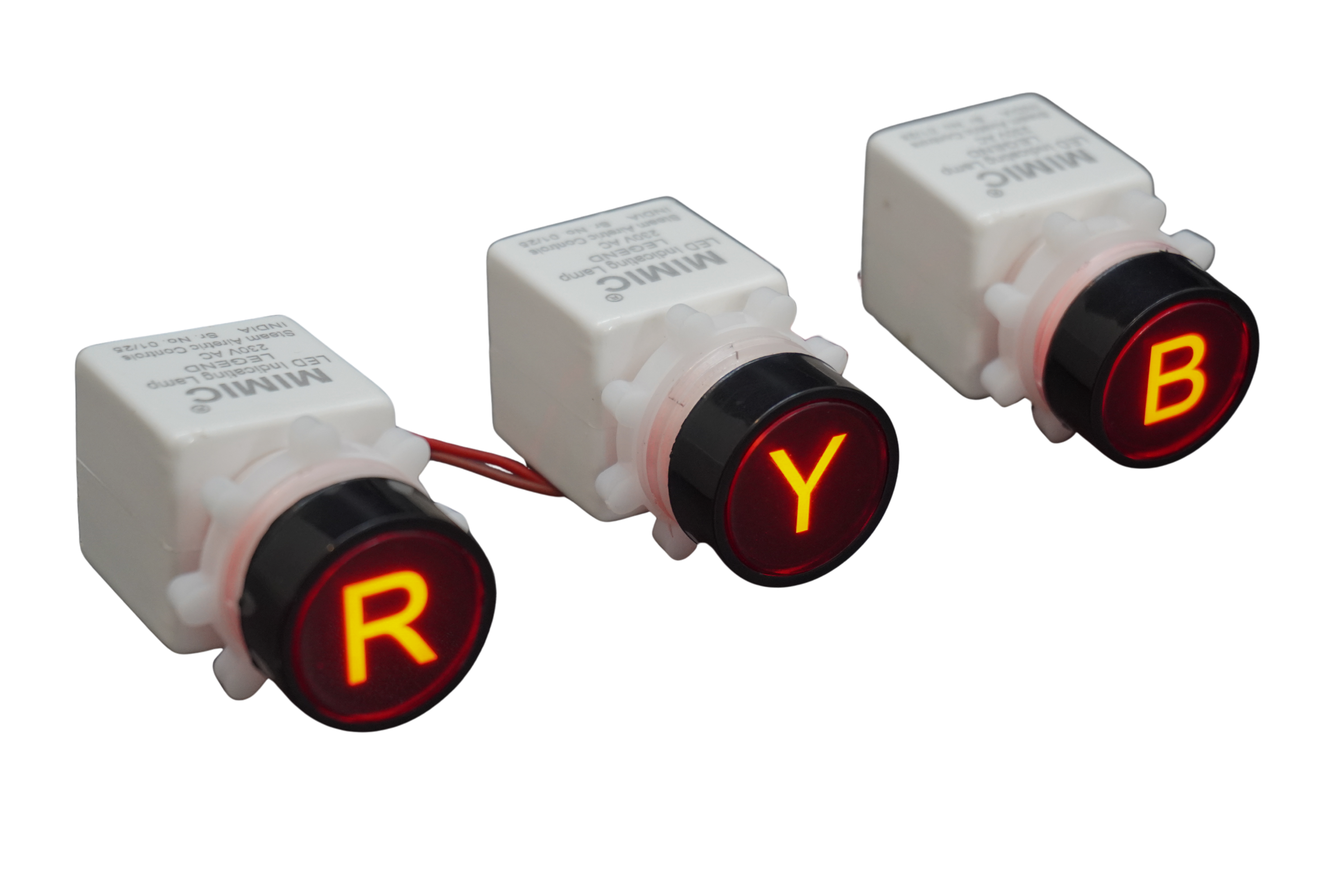
Future of Smart LED Indication Technology and IIoT Integration
Industrial Internet of Things (IIoT) integration is a key component of the Future of Smart LED Indication Technology. Smart indicators will be capable of transmitting operational data to centralized monitoring systems.
This connectivity allows operators and engineers to access machine status information remotely and make informed decisions quickly.
Real-time data sharing improves productivity and helps identify issues before they affect operations.
Industries often integrate smart indicators with Industrial Applications of LED Indicator Lamps and How LED Indicators Improve Machine Monitoring for advanced monitoring applications.
Future of Smart LED Indication Technology for Predictive Maintenance
Predictive maintenance is expected to play a major role in the Future of Smart LED Indication Technology.
Smart indicators can collect and analyze operational data to identify potential equipment failures before they occur.
Maintenance teams can receive early warnings regarding abnormal machine behavior, allowing proactive maintenance actions that reduce downtime and repair costs.
Future of Smart LED Indication Technology for Remote Monitoring
Remote monitoring capabilities are becoming increasingly important in modern industrial environments.
Smart LED indicators will enable operators to monitor machine conditions from control rooms, offices, or mobile devices located anywhere in the world.
This flexibility improves response times and supports more efficient plant management.
Future of Smart LED Indication Technology and Wireless Communication
Wireless communication technologies will further enhance the Future of Smart LED Indication Technology.
Future indicators may use Wi-Fi, Bluetooth, Zigbee, or industrial wireless protocols to communicate with monitoring systems and connected devices.
Wireless connectivity reduces installation complexity and provides greater flexibility for industrial applications.
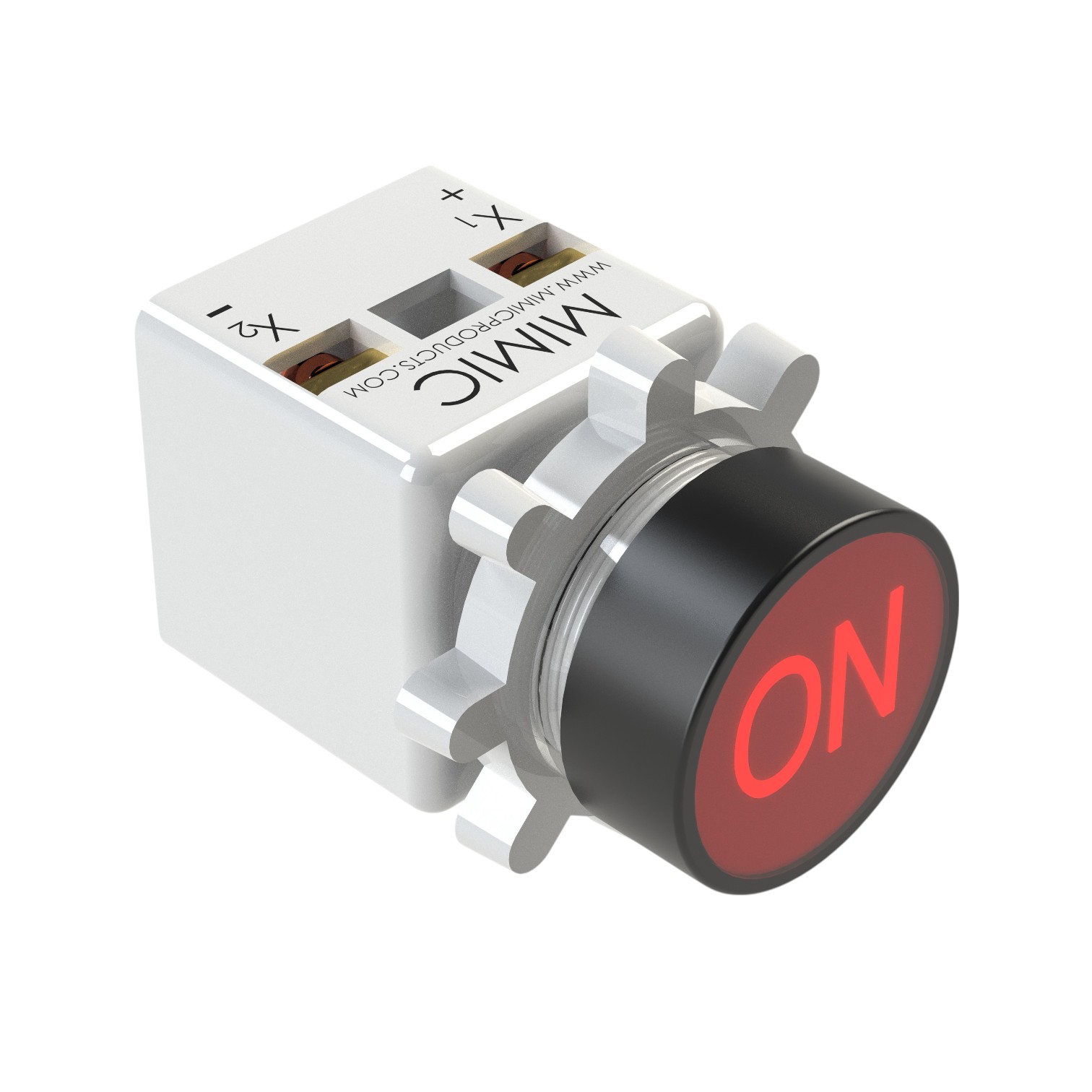
Future of Smart LED Indication Technology for Industrial Safety
Workplace safety will continue to benefit from advancements in smart LED indication systems.
Intelligent indicators can provide dynamic warning signals, emergency notifications, and automated fault alerts that improve operator awareness and safety.
Faster fault detection and communication help prevent accidents and equipment damage.
Benefits of the Future of Smart LED Indication Technology
- Real-time machine monitoring
- Advanced predictive maintenance capabilities
- Improved industrial safety
- Remote monitoring and diagnostics
- Reduced downtime and maintenance costs
- Industry 4.0 compatibility
- Wireless communication support
- Enhanced operational efficiency
Challenges in the Future of Smart LED Indication Technology
Although the Future of Smart LED Indication Technology offers numerous benefits, industries must address challenges related to cybersecurity, system integration, data management, and infrastructure investment.
Proper planning and implementation are essential for maximizing the advantages of smart indication systems.
As technology matures, these challenges are expected to become easier to manage.
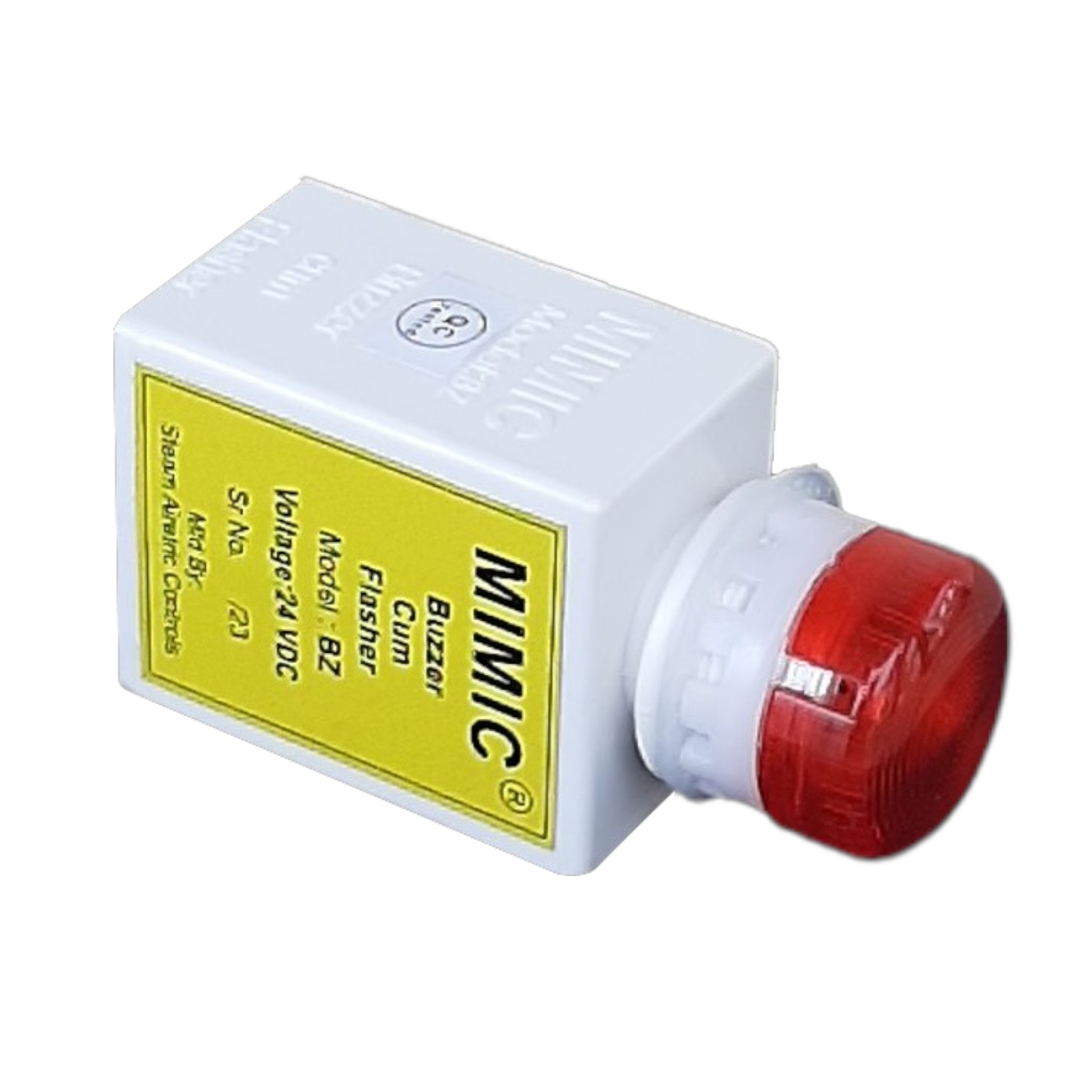
Conclusion on the Future of Smart LED Indication Technology
The Future of Smart LED Indication Technology is closely connected to Industry 4.0, IIoT integration, predictive maintenance, wireless communication, and intelligent automation systems.
Smart LED indicators will continue to evolve beyond traditional visual signaling, becoming important components of connected industrial ecosystems.
As industries pursue greater efficiency, reliability, and safety, smart LED indication technology will play an increasingly important role in modern manufacturing and automation environments.
Frequently Asked Questions About the Future of Smart LED Indication Technology
1. What is the Future of Smart LED Indication Technology?
The future involves intelligent LED indicators with IIoT connectivity, predictive maintenance, wireless communication, and Industry 4.0 integration.
2. How will smart LED indicators improve industrial operations?
They will provide real-time monitoring, advanced diagnostics, predictive maintenance, and improved operational visibility.
3. What role does IIoT play in smart LED indication technology?
IIoT enables LED indicators to transmit operational data, support remote monitoring, and improve decision-making processes.
4. Can smart LED indicators help reduce downtime?
Yes, predictive maintenance and early fault detection help identify issues before equipment failures occur.
5. Will smart LED indicators support wireless communication?
Future systems are expected to support Wi-Fi, Bluetooth, Zigbee, and industrial wireless communication protocols.
6. Why is the Future of Smart LED Indication Technology important?
It helps industries improve safety, efficiency, maintenance planning, machine monitoring, and overall operational performance.