
LED Indicator Lamp Selection-Choosing the Right LED Indicator Lamp is an important decision for industries that depend on reliable machine monitoring, fault indication, operational visibility, and workplace safety. LED Indicator Lamps play a critical role in electrical control panels, automation systems, industrial machinery, and power distribution equipment by providing clear visual communication regarding equipment status and operating conditions.
Selecting the right LED Indicator Lamp helps improve operational efficiency, reduce downtime, enhance safety, and simplify maintenance. With a wide variety of LED indicators available in different colors, sizes, voltages, and mounting styles, understanding the selection criteria is essential.
Modern LED Indicator Lamps are preferred over conventional indicators because they offer better visibility, lower energy consumption, longer lifespan, and greater reliability in industrial environments.
Industries frequently integrate LED Indicator Lamps with LED Indicating Lamp – A Smart and Efficient Signaling Solution to create complete industrial monitoring and alarm systems.
Why Choosing the Right LED Indicator Lamp Is Important
Choosing the Right LED Indicator Lamp ensures accurate machine monitoring and efficient communication between operators and equipment.
A properly selected LED Indicator Lamp improves fault identification, minimizes response time, and helps prevent operational errors.
It also contributes to workplace safety by providing clear and reliable visual warnings during abnormal operating conditions.
Industries also use Importance of LED Indicators in Electrical Panels and Maintenance Tips for LED Indicator Lamps alongside LED Indicator Lamps for enhanced industrial communication.
Choosing the Right LED Indicator Lamp Based on Color
One of the most important factors when Choosing the Right LED Indicator Lamp is selecting the correct color.
- Green: Normal operation and machine running status.
- Red: Fault conditions, emergency alerts, and shutdown signals.
- Yellow: Warning conditions and maintenance requirements.
- Blue: Special functions and process-specific operations.
- White: Power availability and general status indications.
Using standardized colors improves operational consistency and safety across industrial facilities.
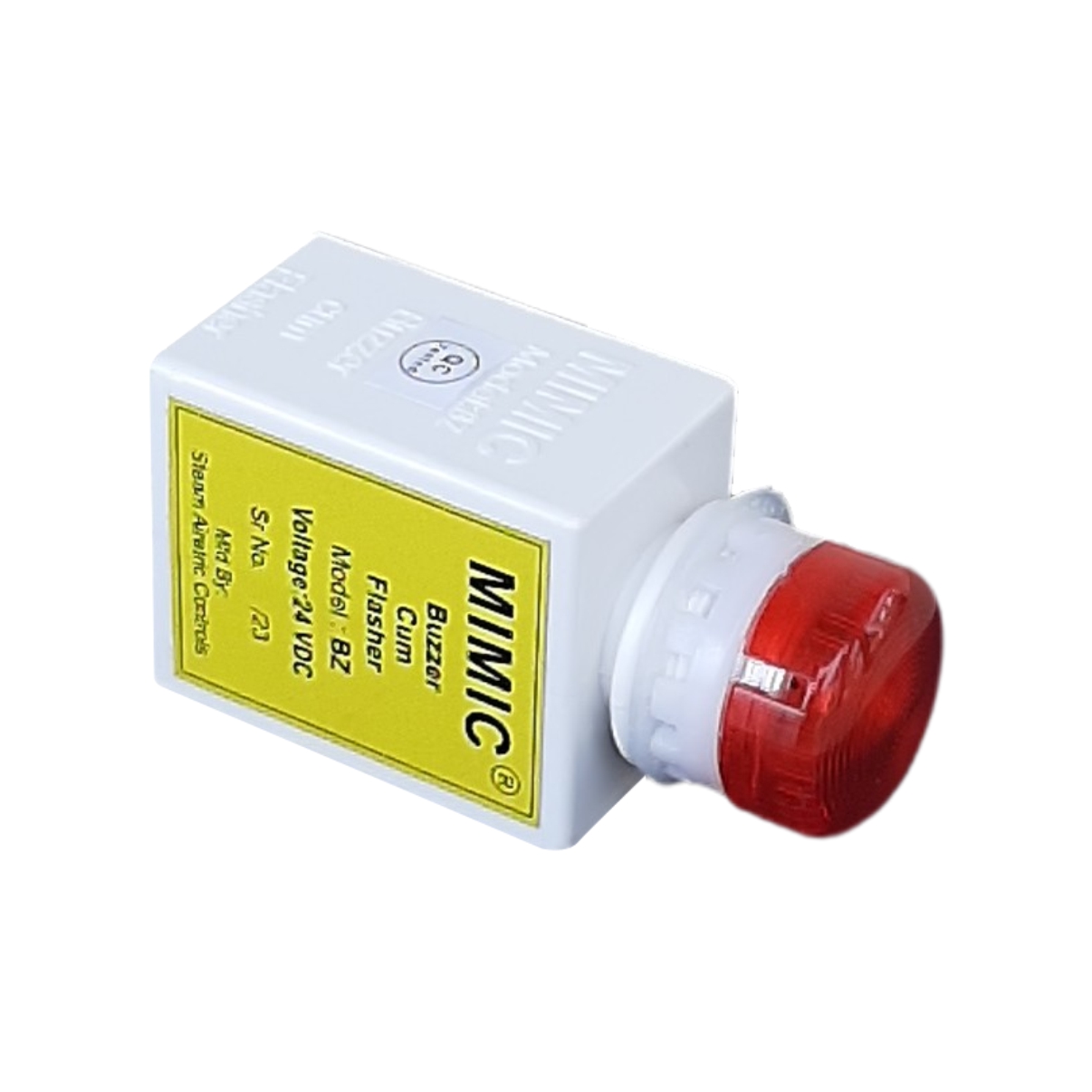
Choosing the Right LED Indicator Lamp Based on Voltage Rating
Voltage compatibility is critical when Choosing the Right LED Indicator Lamp. The selected indicator must match the operating voltage of the control system.
Common voltage ratings include 12V, 24V, 48V, 110V, 220V, and 240V AC/DC applications.
Using an incorrect voltage rating may result in poor performance, reduced lifespan, or equipment failure.
Choosing the Right LED Indicator Lamp Based on Brightness
Brightness plays an important role in industrial environments. LED Indicator Lamps should provide sufficient visibility under varying lighting conditions.
Facilities with bright ambient lighting may require high-intensity indicators to ensure clear visibility.
Proper brightness levels improve machine monitoring and operational awareness.
Industries frequently combine LED Indicator Lamps with Future of Smart LED Indication Technology and What is an LED Indicating Lamp? for enhanced monitoring capabilities.
Choosing the Right LED Indicator Lamp Based on Mounting Type
LED Indicator Lamps are available in various mounting styles including panel mounting, flush mounting, and threaded mounting options.
Choosing the correct mounting type ensures easy installation and compatibility with existing control panels and equipment.
The mounting method should also support long-term durability and maintenance accessibility.
Choosing the Right LED Indicator Lamp for Industrial Environments
Industrial facilities often expose equipment to dust, moisture, vibration, and temperature fluctuations.
When Choosing the Right LED Indicator Lamp, it is important to select products designed for industrial environments and appropriate IP protection ratings.
Durable indicators provide reliable performance and longer operational life.
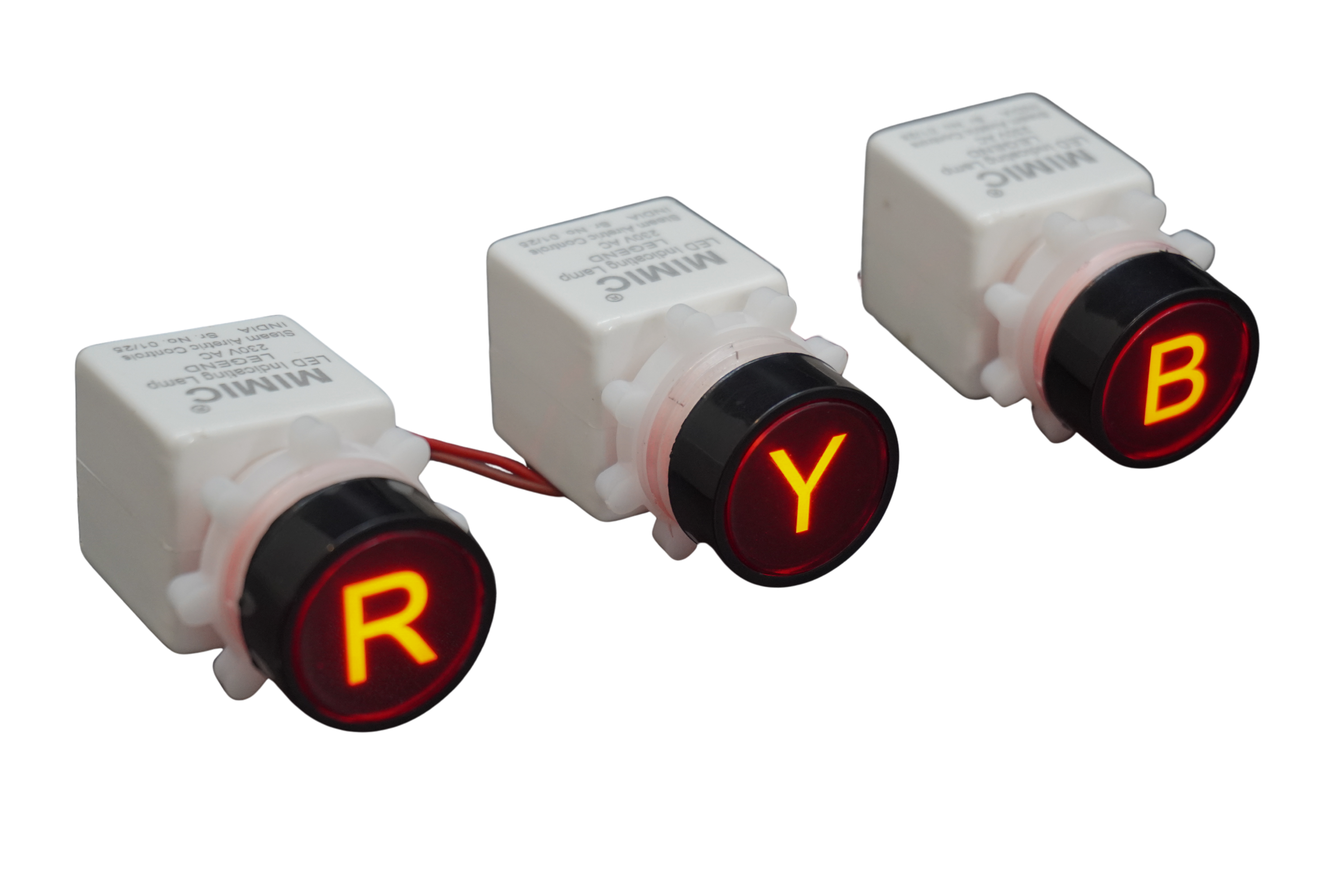
Choosing the Right LED Indicator Lamp for Automation Systems
Automation systems require dependable communication between machines and operators. LED Indicator Lamps should be selected based on visibility, reliability, and compatibility with PLC and SCADA systems.
Reliable indicators help improve process control and operational efficiency in automated manufacturing facilities.
Proper indicator selection supports effective machine monitoring and fault management.
Benefits of Choosing the Right LED Indicator Lamp
- Improved machine monitoring
- Enhanced industrial safety
- Faster fault detection
- Reduced downtime
- Better operational visibility
- Lower maintenance costs
- Longer service life
- Improved energy efficiency
Future Trends in Choosing the Right LED Indicator Lamp
As Industry 4.0 technologies continue to evolve, LED Indicator Lamps are becoming smarter and more connected.
Future LED indicators may include wireless communication, programmable colors, predictive maintenance capabilities, and Industrial Internet of Things (IIoT) integration.
These innovations will further improve machine monitoring and industrial communication.
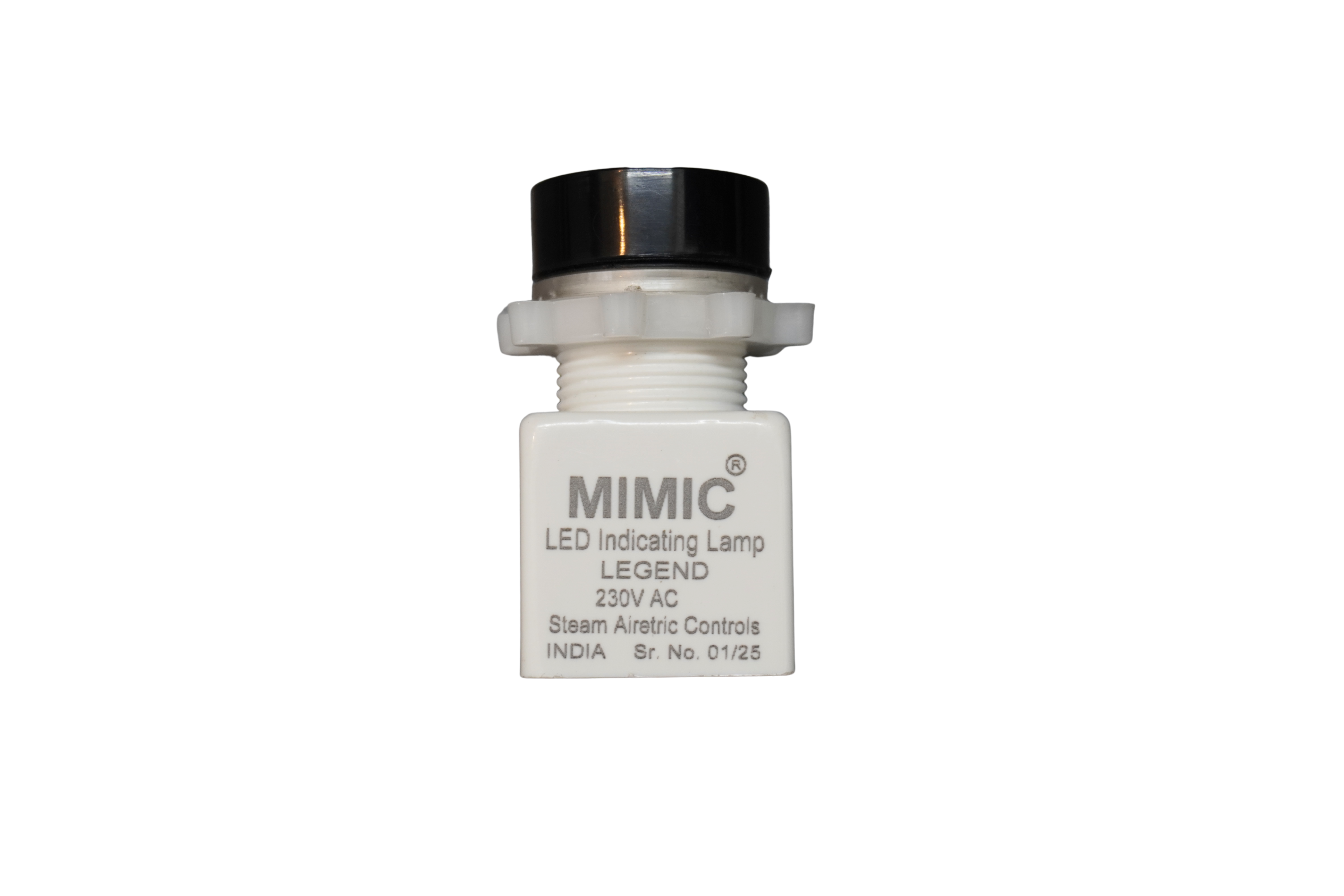
Conclusion on Choosing the Right LED Indicator Lamp
Choosing the Right LED Indicator Lamp is essential for achieving reliable machine monitoring, operational efficiency, and workplace safety.
Factors such as color, voltage rating, brightness, mounting style, environmental protection, and automation compatibility should all be considered during selection.
With proper selection and installation, LED Indicator Lamps can significantly improve industrial monitoring systems and support long-term operational success.
Frequently Asked Questions About Choosing the Right LED Indicator Lamp
1. Why is Choosing the Right LED Indicator Lamp important?
It ensures accurate machine monitoring, improved safety, reduced downtime, and reliable visual communication.
2. What colors are commonly available in LED Indicator Lamps?
Common colors include green, red, yellow, blue, and white, each representing different machine conditions.
3. How do I choose the correct voltage for an LED Indicator Lamp?
Select a voltage rating that matches the operating voltage of your electrical control system.
4. Where are LED Indicator Lamps commonly used?
They are used in electrical control panels, automation systems, manufacturing facilities, substations, and industrial machinery.
5. Can LED Indicator Lamps be integrated with other signaling devices?
Yes, they are commonly integrated with Tower Lamps, Semaphore Indicators, Annunciation Windows, and Electronic Panel Hooters.
6. What is the future of LED Indicator Lamps?
Future LED Indicator Lamps will support smart monitoring, wireless communication, IIoT connectivity, and predictive maintenance technologies.
You May Also Read
- LED Indicating Lamps
- Mimic Products Official Website
- Mimic Products India
- Mimic Products Facebook Page
- Mimic Products LinkedIn
- Anand Jayawant LinkedIn