
Semaphore vs Tower Lamp-Understanding the Difference Between Semaphore and Tower Lamps is important for industries that rely on machine monitoring, industrial communication, and automation systems. Both Semaphore Indicators and Tower Lamps are widely used signaling devices that help operators identify machine conditions, process status, warning alerts, and fault situations.
Although both devices serve similar purposes in industrial environments, there are significant differences in their design, operation, visibility, applications, and functionality. Selecting the right signaling device depends on the specific requirements of the industrial process and machine monitoring system.
Modern industrial automation systems often integrate signaling products such as Semaphore Indicator – Complete Guide for Traders alongside Semaphore Indicators and Tower Lamps for complete communication and safety solutions.
What is a Semaphore Indicator?
A Semaphore Indicator is a visual signaling device used to display machine status, fault conditions, process flow, and operational information. It typically uses movable indicators, directional displays, or illuminated sections to communicate machine conditions.
Semaphore Indicators are commonly installed in electrical control panels, automation systems, manufacturing plants, and industrial monitoring applications where precise status indication is required.
Modern LED Semaphore Indicators offer high visibility, low power consumption, and long operational life, making them suitable for demanding industrial environments.
Industries often combine Semaphore Indicators with LED Semaphore Indicators for Electrical Systems and How Semaphore Indicators Improve Machine Monitoring for advanced machine monitoring solutions.
What is a Tower Lamp?
A Tower Lamp, also known as a Signal Tower Light or Stack Light, is a multi-colored signaling device designed to provide visual indications about machine conditions and operational status.
Tower Lamps consist of stacked colored light segments such as red, yellow, green, blue, and white. Each color represents a specific machine condition or process status.
Tower Lamps are widely used on production lines, conveyor systems, robotic machinery, assembly stations, and industrial automation systems.
Modern LED Tower Lamps provide excellent brightness, durability, energy efficiency, and visibility across large industrial facilities.
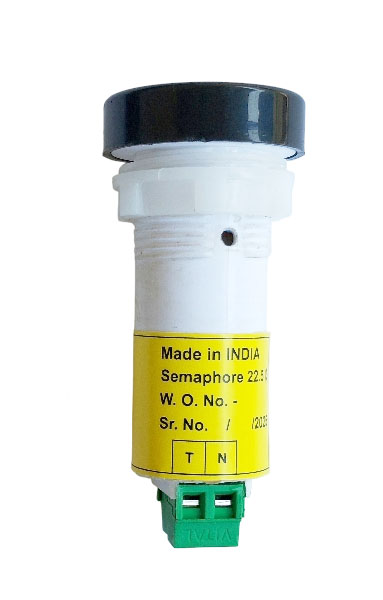
Difference Between Semaphore and Tower Lamps in Design
One of the most important differences between Semaphore and Tower Lamps is their design.
Semaphore Indicators usually feature movable displays, directional indicators, or dedicated status windows that provide specific machine information.
Tower Lamps use vertically stacked colored light modules that provide visual indications through different color combinations and lighting patterns.
Semaphore Indicators are generally compact and panel-mounted, while Tower Lamps are designed for high visibility and are often mounted on machinery or equipment.
Difference Between Semaphore and Tower Lamps in Applications
Semaphore Indicators are commonly used in electrical panels, control systems, process monitoring equipment, and industrial automation applications where detailed machine status information is required.
Tower Lamps are more commonly used on production lines, assembly stations, packaging machines, robotic systems, and manufacturing equipment where operators need quick visual recognition from a distance.
Both devices play important roles in industrial communication, but their applications differ based on visibility requirements and operational needs.
Industries frequently integrate Semaphore Indicators and Tower Lamps with Applications of Semaphore Signals in Automation and Industrial Safety Benefits of Semaphore Indicators for complete signaling systems.
Difference Between Semaphore and Tower Lamps in Visibility
Visibility is another significant Difference Between Semaphore and Tower Lamps.
Tower Lamps are specifically designed for long-distance visibility. Their stacked colored sections make it easy for operators to identify machine conditions from across a production floor.
Semaphore Indicators provide detailed status information but are typically intended for close-range viewing within control panels and machine interfaces.
For large manufacturing facilities, Tower Lamps are often preferred because of their superior visibility.
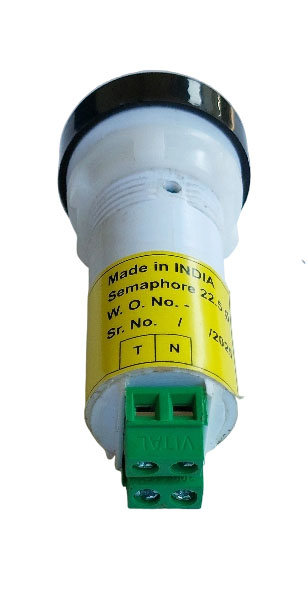
Difference Between Semaphore and Tower Lamps in Industrial Automation
In industrial automation systems, Semaphore Indicators are often used for machine-specific information, process monitoring, and detailed status communication.
Tower Lamps are used for broad visual communication, allowing operators and supervisors to quickly understand machine conditions without approaching equipment.
Smart factories frequently use both signaling devices together to maximize operational visibility and improve communication efficiency.
Advantages of Semaphore Indicators
Semaphore Indicators provide detailed machine status information, compact installation, precise signaling, and efficient panel integration.
They are ideal for applications requiring specific operational information and process monitoring.
Modern LED Semaphore Indicators offer energy efficiency, durability, and long service life.
Advantages of Tower Lamps
Tower Lamps provide excellent long-distance visibility, color-coded communication, and quick machine status recognition.
They improve workplace communication, operational efficiency, and industrial safety in manufacturing environments.
Modern LED Tower Lamps support flashing modes, audible alarms, wireless communication, and Industry 4.0 integration.
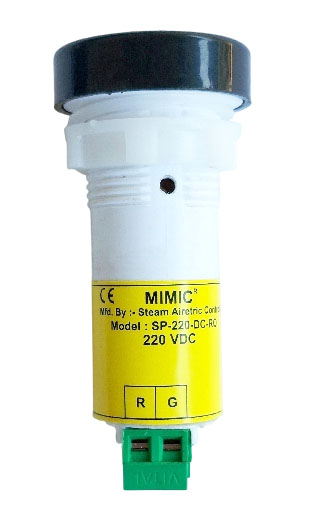
Conclusion on Difference Between Semaphore and Tower Lamps
Understanding the Difference Between Semaphore and Tower Lamps helps industries choose the right signaling solution for machine monitoring, industrial communication, and automation systems.
Semaphore Indicators provide detailed machine information and panel-based communication, while Tower Lamps offer high-visibility status indication for large industrial environments.
Both signaling devices play important roles in improving productivity, operational safety, and machine monitoring within modern industrial facilities.
Frequently Asked Questions About Difference Between Semaphore and Tower Lamps
1. What is the main Difference Between Semaphore and Tower Lamps?
Semaphore Indicators provide detailed machine status information, while Tower Lamps provide highly visible color-coded machine status indications.
2. Where are Semaphore Indicators commonly used?
Semaphore Indicators are commonly used in electrical control panels, automation systems, machine monitoring systems, and industrial process controls.
3. Where are Tower Lamps commonly used?
Tower Lamps are used in manufacturing lines, conveyor systems, robotic equipment, packaging machinery, and industrial automation applications.
4. Which offers better visibility, Semaphore Indicators or Tower Lamps?
Tower Lamps generally offer better long-distance visibility because of their stacked colored light sections.
5. Can Semaphore Indicators and Tower Lamps be used together?
Yes, many industrial facilities use both Semaphore Indicators and Tower Lamps together to improve machine communication and operational monitoring.
6. Are LED Semaphore Indicators and LED Tower Lamps energy efficient?
Yes, modern LED Semaphore Indicators and LED Tower Lamps provide excellent energy efficiency, durability, and long operational life.