
How Warning Systems Reduce Industrial Accidents
Understanding How Warning Systems Reduce Industrial Accidents is essential for modern industries focused on workplace safety, operational efficiency, and risk management. Industrial environments contain heavy machinery, automated systems, electrical equipment, hazardous materials, and high-risk processes that require continuous monitoring.
Warning systems provide immediate visual and audible alerts whenever abnormal conditions occur. These systems help workers identify hazards quickly, take corrective action, and prevent incidents before they become serious accidents.
By improving communication and fault detection, warning systems significantly reduce workplace injuries, equipment damage, production losses, and emergency situations.
Industries commonly use Annunciation Windows, Electronic Panel Hooters, and Buzzer Cum Flashers to enhance industrial safety and alarm management.

What Are Industrial Warning Systems?
Industrial warning systems are safety devices designed to notify personnel about equipment faults, hazardous conditions, emergency situations, and abnormal process parameters.
These systems use visual indicators, audible alarms, flashing lights, hooters, tower lamps, and smart monitoring technologies to communicate important information instantly.
Their primary goal is to ensure rapid awareness and timely response to potential risks.
Industries also rely on LED Indicating Lamps and Panel Wiring Lamps to improve machine monitoring and operational visibility.
How Warning Systems Reduce Industrial Accidents Through Early Fault Detection
One of the most effective ways warning systems reduce industrial accidents is through early fault detection.
Machines often show warning signs before failure, such as overheating, unusual vibrations, pressure changes, or electrical abnormalities.
Warning systems detect these conditions and immediately alert operators, allowing corrective action before accidents occur.
Early intervention helps prevent machine breakdowns, fires, explosions, and equipment damage.
How Warning Systems Reduce Industrial Accidents by Improving Worker Awareness
Worker awareness is critical for maintaining a safe workplace.
Warning systems provide clear and immediate notifications whenever dangerous situations arise. Audible alarms and visual signals attract attention quickly, even in noisy industrial environments.
Improved awareness enables workers to respond appropriately, avoid hazardous areas, and follow safety procedures.
How Warning Systems Reduce Industrial Accidents During Emergency Situations
Emergency situations such as fires, gas leaks, electrical faults, and chemical spills require immediate communication.
Warning systems provide instant alerts that help personnel evacuate safely and initiate emergency response procedures.
Rapid communication significantly reduces the severity of accidents and minimizes potential injuries.
How Warning Systems Reduce Industrial Accidents in Automated Facilities
Modern factories use automation systems that require continuous monitoring.
Warning systems integrate with PLCs, SCADA platforms, sensors, and industrial controllers to detect abnormalities automatically.
Automated alerts help maintenance teams identify issues before they lead to unsafe operating conditions.
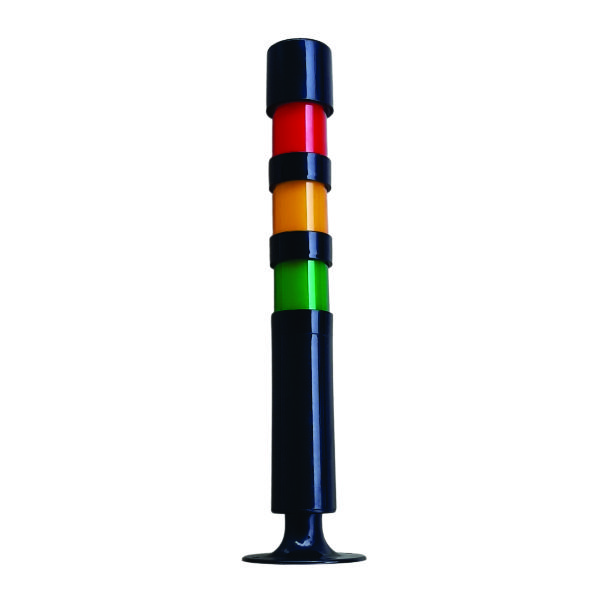
Many facilities integrate warning systems with Tower Lamps and Semaphore Indicators for complete visual communication and machine status monitoring.
How Warning Systems Reduce Industrial Accidents Through Equipment Protection
Equipment failures are a common cause of industrial accidents.
Warning systems continuously monitor machinery and process equipment, providing alerts whenever operating conditions move outside safe limits.
This protection helps prevent catastrophic failures that could endanger workers and disrupt production.
Benefits of Warning Systems in Accident Prevention
- Immediate fault detection
- Improved worker awareness
- Enhanced workplace safety
- Faster emergency response
- Reduced equipment damage
- Lower accident rates
- Reduced downtime
- Improved regulatory compliance

Role of Smart Warning Systems in Industry 4.0
Industry 4.0 technologies have significantly improved warning system capabilities.
Smart warning systems now integrate with Industrial Internet of Things (IIoT) platforms, cloud-based monitoring systems, and predictive maintenance software.
These technologies provide real-time analytics, remote monitoring, and predictive fault detection.
As a result, industries can identify risks earlier and prevent accidents more effectively.
Future of Industrial Warning Systems
The future of industrial warning systems includes artificial intelligence, machine learning, wireless communication, and advanced predictive analytics.
Future systems will automatically identify potential hazards, prioritize alarms, and recommend corrective actions before accidents occur.
These innovations will further improve industrial safety and operational reliability.

Conclusion
Understanding How Warning Systems Reduce Industrial Accidents helps industries appreciate the importance of effective alarm communication and fault monitoring.
By providing real-time alerts, improving worker awareness, protecting equipment, and supporting emergency response, warning systems play a vital role in accident prevention.
As industrial technology continues to evolve, advanced warning systems will remain essential for creating safer and more productive workplaces.
Frequently Asked Questions About How Warning Systems Reduce Industrial Accidents
1. How do warning systems reduce industrial accidents?
Warning systems reduce accidents by detecting faults early, alerting workers immediately, and enabling rapid corrective action.
2. What types of warning systems are used in factories?
Common warning systems include Tower Lamps, Buzzer Flashers, Annunciator Panels, Electronic Hooters, LED Indicators, and Emergency Sirens.
3. Why is early fault detection important?
Early fault detection prevents equipment failures, workplace hazards, and accidents before they become serious incidents.
4. Can warning systems improve workplace safety?
Yes, warning systems improve safety by providing real-time alerts and increasing worker awareness of hazardous conditions.
5. How do warning systems help during emergencies?
They provide immediate alerts that help personnel evacuate safely and activate emergency response procedures.
6. Can warning systems integrate with Industry 4.0 technologies?
Yes, modern warning systems can integrate with IIoT platforms, PLCs, SCADA systems, cloud monitoring solutions, and predictive maintenance software.