
Understanding Visual vs Audible Warning Systems is essential for industries that prioritize workplace safety, operational efficiency, and effective communication. Modern industrial environments rely on warning systems to alert personnel about machine faults, hazardous conditions, emergency situations, and process abnormalities.
Warning systems are generally categorized into two types: Visual Warning Systems and Audible Warning Systems. While both serve the same purpose of notifying personnel about important events, they operate differently and offer unique advantages depending on the industrial application.
Most modern factories combine visual and audible warning devices to create a comprehensive safety solution that ensures alerts are noticed quickly and acted upon appropriately.
Industries commonly integrate Annunciation Windows, Electronic Panel Hooters, and Buzzer Cum Flashers to provide complete alarm communication systems.
What Are Visual Warning Systems?
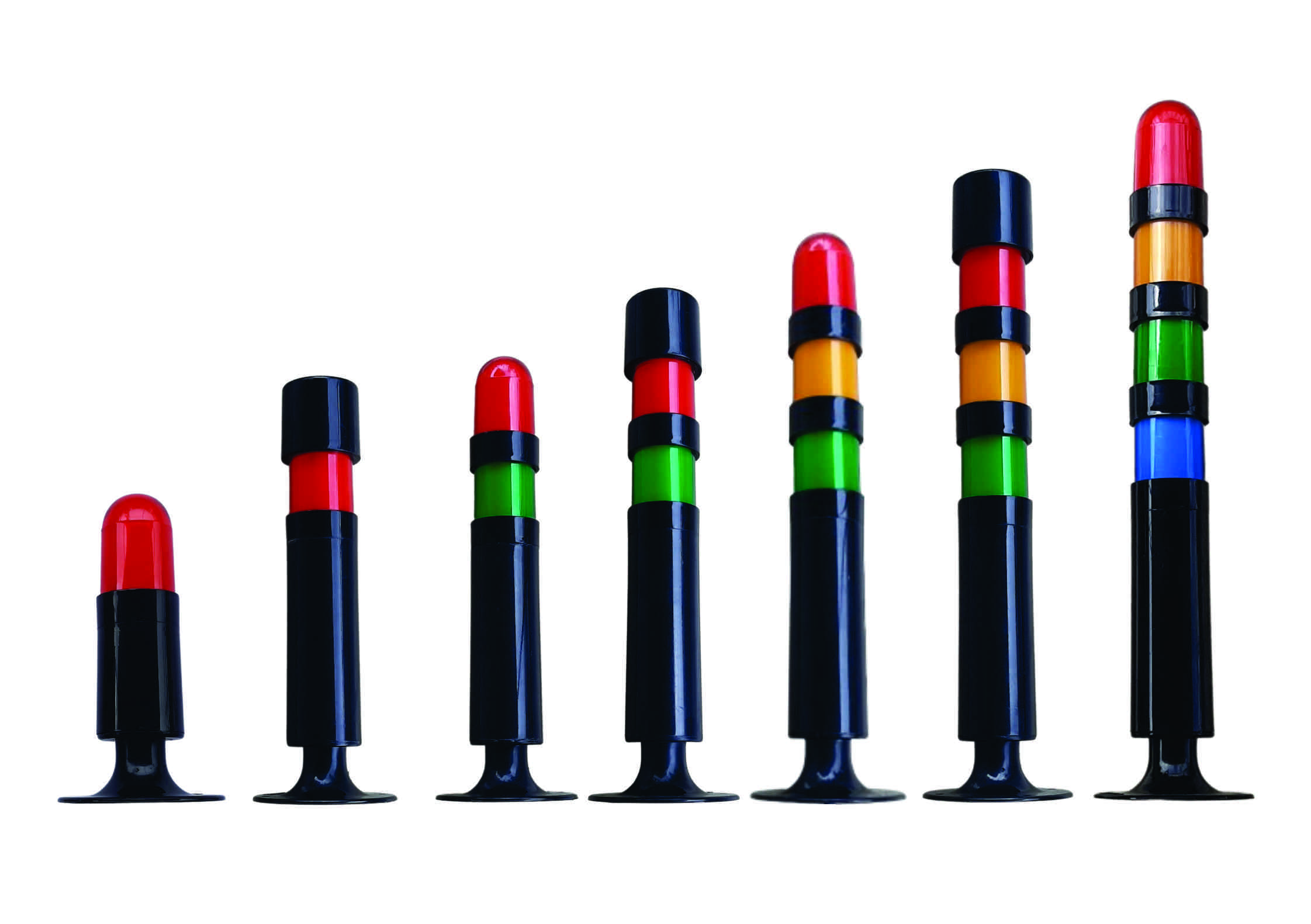
Visual Warning Systems use lights, indicators, displays, and signaling devices to communicate operational conditions, machine status, faults, and emergencies.
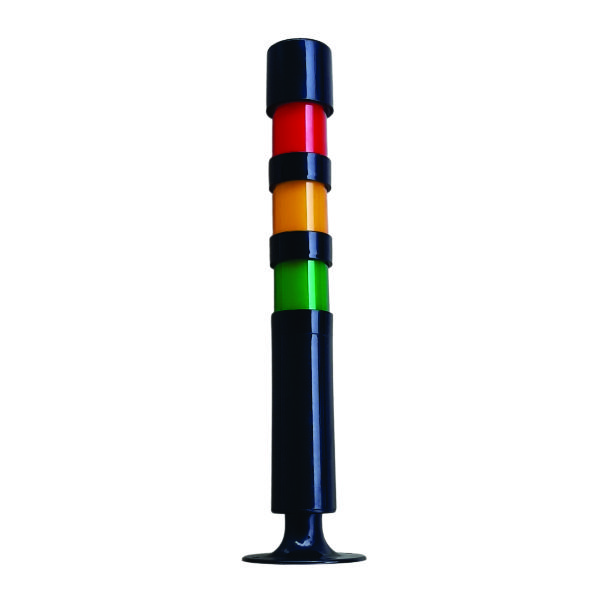
These systems provide visual information that can be easily recognized by operators from a distance. Common visual warning devices include tower lamps, LED indicators, semaphore indicators, and annunciation windows.
Visual warnings are especially useful in environments where continuous monitoring of equipment is required.
Industries also use LED Indicating Lamps and Panel Wiring Lamps to improve machine monitoring and status indication.
What Are Audible Warning Systems?
Audible Warning Systems use sound-based devices such as buzzers, hooters, sirens, and alarms to notify personnel about faults or hazardous situations.
These systems are designed to attract immediate attention even when workers are not looking directly at equipment or control panels.
Audible warnings are highly effective during emergencies where rapid response is required.
Visual vs Audible Warning Systems: Key Differences
| Feature | Visual Warning Systems | Audible Warning Systems |
|---|---|---|
| Communication Method | Lights and indicators | Sound and alarms |
| Attention Requirement | Must be visible to personnel | Can be heard without direct visibility |
| Noise Sensitivity | Not affected by environmental noise | May be affected by high background noise |
| Information Display | Can provide detailed status information | Typically provides general alerts |
| Best Use | Continuous monitoring | Emergency alerts |
Advantages of Visual Warning Systems
- Provide continuous status indication
- Can display multiple operating conditions
- Suitable for noisy environments
- Easy fault identification
- Energy-efficient LED technology available
Examples include Tower Lamps and Semaphore Indicators used in industrial automation systems.
Advantages of Audible Warning Systems
- Immediate attention-grabbing capability
- Effective during emergencies
- Can cover large industrial areas
- Useful when operators are not monitoring equipment directly
- Supports rapid emergency response
Electronic Hooters and Buzzer Flashers are among the most common audible warning devices used in factories.
Applications of Visual Warning Systems
Visual warning systems are commonly used in manufacturing plants, automation systems, electrical panels, production lines, warehouses, and machine monitoring applications.
Operators can easily identify machine status, process conditions, and fault locations through visual indications.
Applications of Audible Warning Systems
Audible warning systems are widely used in emergency evacuation systems, fire alarms, gas leak detection systems, substations, process industries, and large manufacturing facilities.
Their ability to alert personnel quickly makes them essential for workplace safety.

Why Industries Use Both Visual and Audible Warning Systems
Most industrial facilities use both visual and audible warning systems together because each method has its strengths and limitations.
Combining flashing lights with audible alarms ensures warnings are noticed regardless of environmental conditions or worker location.
Devices such as Buzzer Cum Flashers provide both visual and audible alerts in a single unit, offering maximum effectiveness.
Visual vs Audible Warning Systems in Industry 4.0
Modern warning systems are increasingly integrated with Industry 4.0 technologies, including PLCs, SCADA systems, Industrial Internet of Things (IIoT) platforms, and cloud-based monitoring systems.
Smart warning devices can provide remote notifications, predictive maintenance alerts, and advanced alarm management capabilities.
Future of Visual and Audible Warning Systems
The future of warning systems includes artificial intelligence, wireless communication, cloud connectivity, and intelligent alarm prioritization.
Future systems will provide more accurate fault detection and improve emergency response through advanced monitoring technologies.

Conclusion
Understanding Visual vs Audible Warning Systems helps industries select the most effective safety and monitoring solutions for their operations.
Visual warning systems provide continuous status information, while audible warning systems deliver immediate attention during emergencies.
By combining both technologies, industries can improve workplace safety, enhance operational efficiency, and reduce the risk of accidents.
Frequently Asked Questions About Visual vs Audible Warning Systems
1. What is the difference between Visual and Audible Warning Systems?
Visual systems use lights and indicators, while audible systems use sounds such as buzzers, hooters, and alarms to communicate warnings.
2. Which is better, visual or audible warning systems?
Both have advantages. Most industries use a combination of both systems for maximum effectiveness.
3. What are examples of visual warning systems?
Examples include Tower Lamps, LED Indicators, Semaphore Indicators, and Annunciation Windows.
4. What are examples of audible warning systems?
Examples include Electronic Hooters, Buzzers, Sirens, and Alarm Systems.
5. Why are buzzer flashers popular in factories?
Buzzer Flashers combine visual and audible alerts, ensuring warnings are noticed quickly in industrial environments.
6. Can warning systems integrate with Industry 4.0 technologies?
Yes, modern warning systems can integrate with PLCs, SCADA platforms, IIoT systems, and cloud-based monitoring solutions.