
Industrial Signaling Devices play a crucial role in modern manufacturing plants, automation systems, power stations, and process industries. These devices provide visual and audible alerts that help operators monitor machine conditions, identify faults, and respond quickly to emergencies.
Industrial Signaling Devices improve workplace safety, reduce downtime, and enhance communication between machines and personnel. From simple indicator lamps to advanced alarm monitoring systems, these devices are essential components of industrial safety and automation infrastructure.
Understanding Industrial Signaling Devices Explained helps industries choose the right warning and monitoring solutions for their specific applications.
Modern facilities commonly integrate Annunciation Windows, Electronic Panel Hooters, and Buzzer Cum Flashers into their industrial signaling systems.
What Are Industrial Signaling Devices?
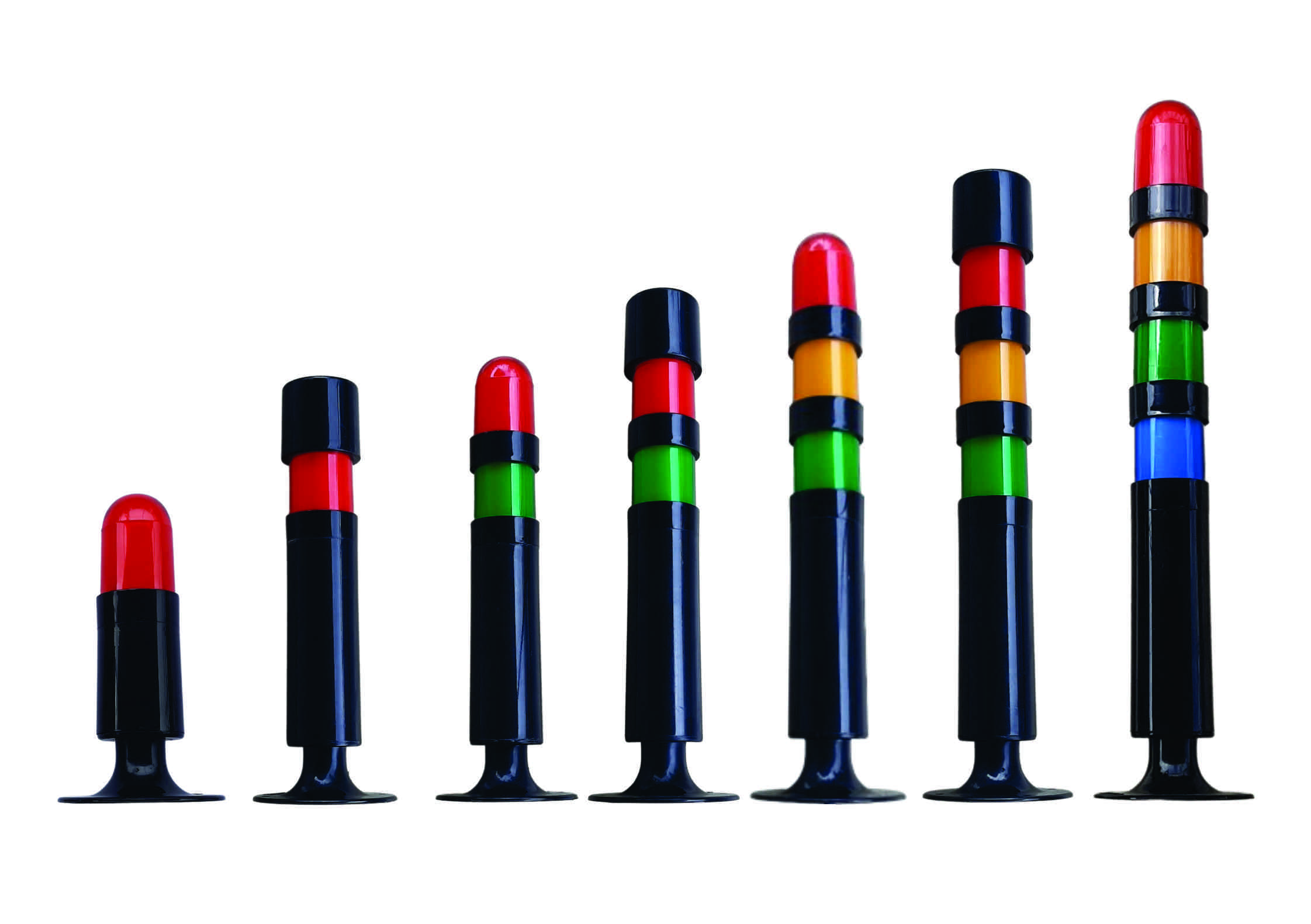
Industrial Signaling Devices are equipment designed to communicate machine status, process conditions, faults, warnings, and emergency situations through visual, audible, or combined signals.
These devices help operators and maintenance personnel quickly identify abnormal conditions and take corrective actions before problems escalate.
Industrial signaling solutions are widely used in factories, warehouses, power plants, substations, automation systems, and process industries.
Importance of Industrial Signaling Devices
Industrial environments often involve heavy machinery, automated systems, electrical equipment, and hazardous materials. Effective communication is essential for maintaining safety and operational efficiency.
Industrial Signaling Devices provide immediate notifications that help prevent accidents, reduce equipment damage, and improve productivity.
Their use is critical for compliance with industrial safety standards and workplace safety regulations.
Industries also use LED Indicating Lamps and Panel Wiring Lamps for machine status indication and equipment monitoring.
Types of Industrial Signaling Devices
1. Tower Lamps
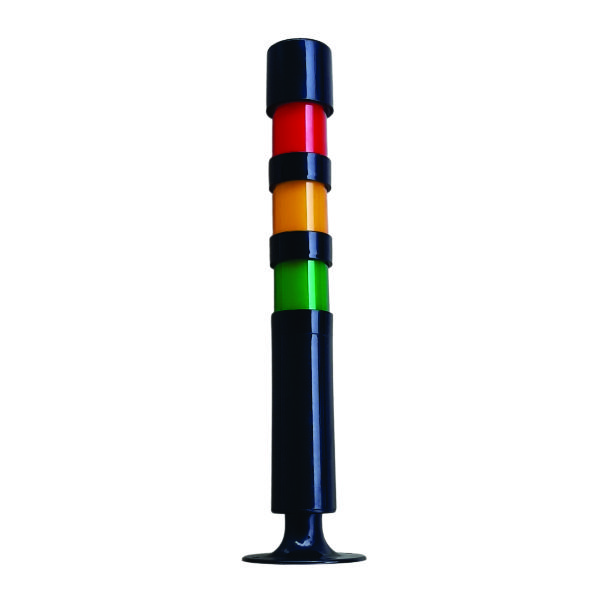
Tower Lamps are among the most common industrial signaling devices. They provide multi-color visual indications representing machine status, operational conditions, and fault situations.
These lamps are widely used in manufacturing plants, packaging systems, assembly lines, and automated machinery.
Read more: Tower Lamp Complete Guide
2. Buzzer Cum Flashers
Buzzer Flashers combine audible alarms and flashing lights into a single warning device.
They provide immediate attention during machine faults, process abnormalities, and emergency situations.
Their dual-alert capability makes them highly effective in noisy industrial environments.
Read more: Industrial Uses of Buzzer Cum Flashers
3. Electronic Panel Hooters
Electronic Panel Hooters generate loud audible warnings that can be heard across large industrial facilities.
These devices are commonly used for emergency alarms, fault indications, and safety notifications.
Read more: What is an Electronic Panel Hooter?
4. Annunciator Panels
Annunciator Panels provide centralized alarm management and detailed fault identification.
Unlike simple warning lights, annunciator systems display specific alarm messages that help operators quickly identify fault locations and causes.
Read more: Applications of Annunciator Panels in Industry
5. Semaphore Indicators
Semaphore Indicators are visual signaling devices used to display equipment conditions and machine status.
They are commonly installed in electrical control panels, industrial automation systems, and process monitoring applications.
Read more: What is a Semaphore Indicator?
6. LED Indicator Lamps
LED Indicator Lamps provide simple yet effective machine status indication.
They are available in multiple colors and are commonly used to indicate power availability, machine operation, warning conditions, and fault status.
Their low power consumption and long service life make them ideal for industrial applications.

Applications of Industrial Signaling Devices
- Manufacturing plants
- Industrial automation systems
- Power generation facilities
- Electrical substations
- Oil and gas industries
- Chemical processing plants
- Food and beverage industries
- Warehouses and logistics centers
Benefits of Industrial Signaling Devices
- Improved workplace safety
- Faster fault detection
- Enhanced machine monitoring
- Reduced downtime
- Improved productivity
- Better emergency response
- Reduced equipment damage
- Compliance with safety regulations
Industrial Signaling Devices and Industry 4.0
Modern Industrial Signaling Devices are evolving alongside Industry 4.0 technologies.
Many devices now integrate with PLCs, SCADA systems, Industrial Internet of Things (IIoT) platforms, and cloud-based monitoring systems.
Smart signaling devices provide remote monitoring, predictive maintenance alerts, and advanced alarm management capabilities.
Future of Industrial Signaling Devices
The future of Industrial Signaling Devices includes artificial intelligence, wireless communication, predictive analytics, and advanced automation integration.
Smart devices will be capable of detecting potential faults before failures occur and providing actionable recommendations to operators.
These innovations will further improve industrial safety and operational efficiency.

Conclusion
Industrial Signaling Devices are essential tools for communication, safety, and monitoring in modern industrial environments.
Devices such as Tower Lamps, Annunciator Panels, Buzzer Flashers, Hooters, Semaphore Indicators, and LED Indicators help industries improve safety, reduce downtime, and enhance operational efficiency.
As technology continues to evolve, Industrial Signaling Devices will become even smarter and more integrated with advanced industrial automation systems.
Frequently Asked Questions About Industrial Signaling Devices
1. What are Industrial Signaling Devices?
Industrial Signaling Devices are visual and audible warning systems used to communicate machine status, faults, and emergency conditions.
2. Why are Industrial Signaling Devices important?
They improve workplace safety, enhance communication, reduce downtime, and support efficient industrial operations.
3. What are the most common Industrial Signaling Devices?
Common devices include Tower Lamps, Annunciator Panels, Buzzer Flashers, Electronic Hooters, Semaphore Indicators, and LED Indicator Lamps.
4. Where are Industrial Signaling Devices used?
They are used in manufacturing plants, power stations, automation systems, warehouses, substations, and process industries.
5. Can Industrial Signaling Devices integrate with automation systems?
Yes, modern signaling devices can integrate with PLCs, SCADA systems, IIoT platforms, and industrial controllers.
6. What is the future of Industrial Signaling Devices?
Future devices will support AI, predictive maintenance, wireless communication, cloud monitoring, and smart automation technologies.