
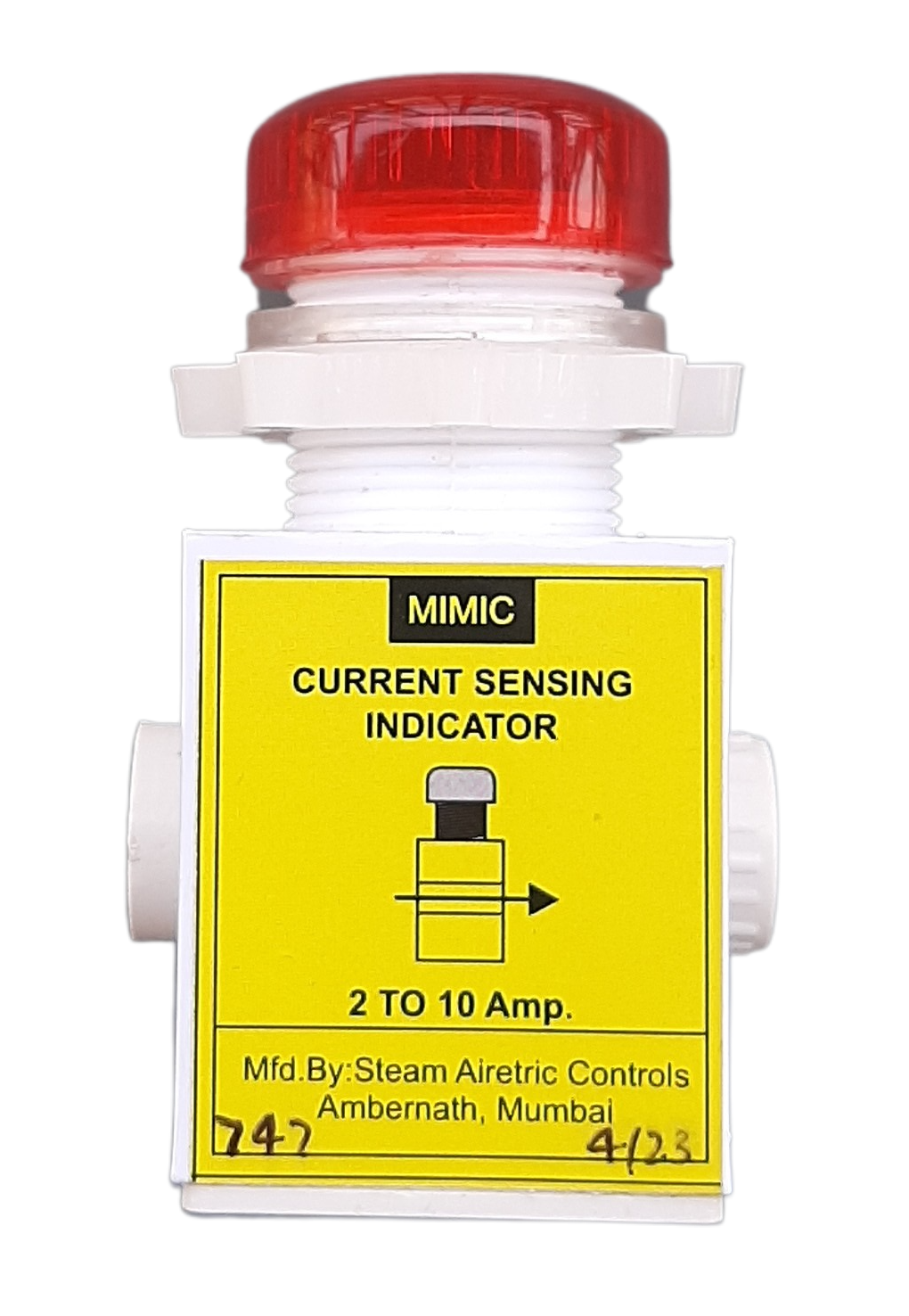
Heater Failure Lamp Troubleshooting – Understanding How to Troubleshoot Heater Failure Lamps is essential for maintaining reliable industrial heating systems and ensuring smooth production processes. Heater Failure Lamps are widely used in manufacturing facilities, packaging equipment, extrusion machines, industrial ovens, food processing plants, and automation systems to provide visual alerts whenever a heater malfunction occurs.
While Heater Failure Lamps are highly reliable, occasional issues can occur due to wiring faults, damaged heater elements, voltage fluctuations, relay failures, or sensor problems. Proper troubleshooting helps maintenance teams quickly identify the root cause and restore normal operation.
Following systematic troubleshooting procedures minimizes downtime, improves equipment reliability, and supports industrial safety.
Industries often integrate Heater Failure Lamps with Heater Failure Lamp – An Essential Safety and Monitoring Indicator to provide complete fault indication and alarm management systems.
What Are Heater Failure Lamps?
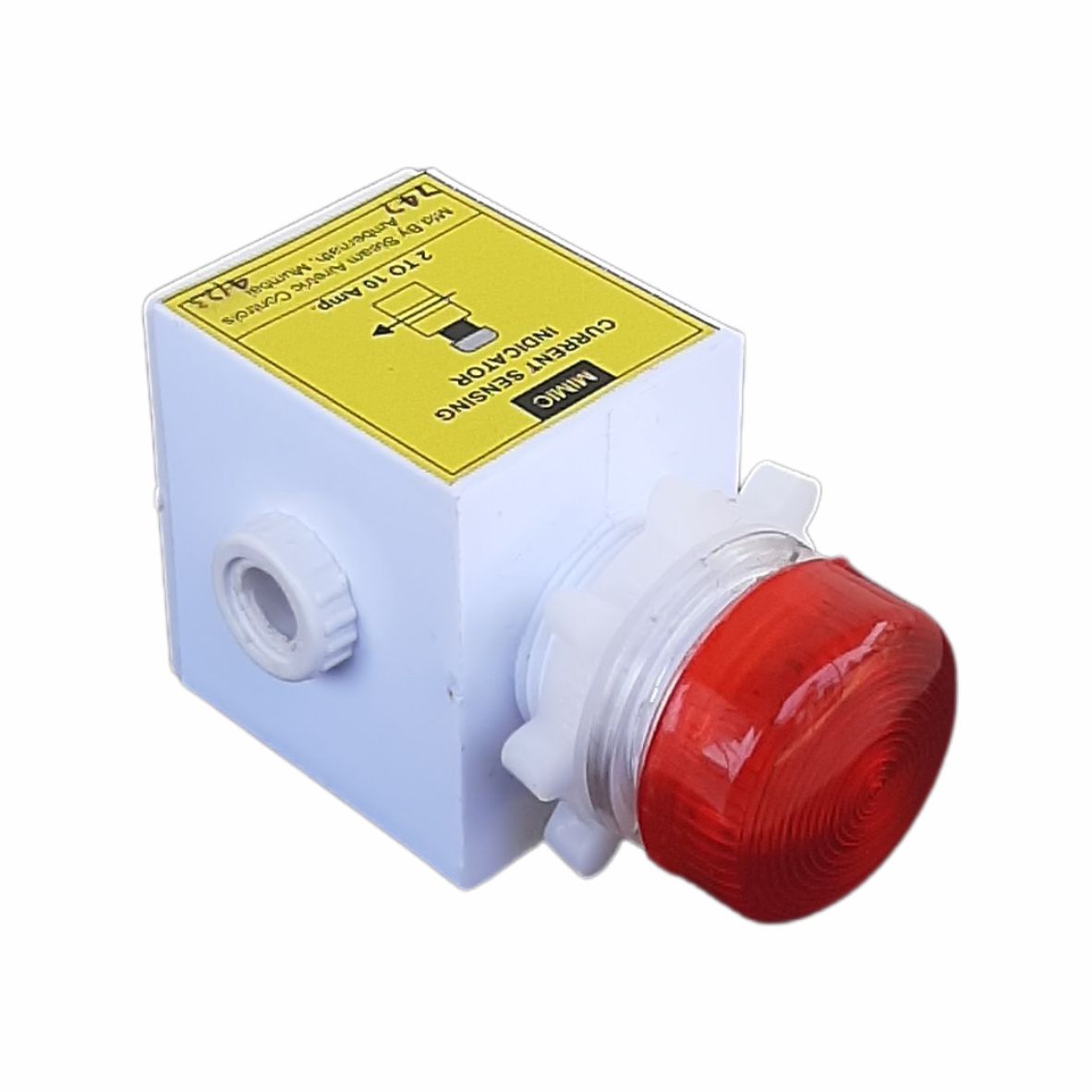
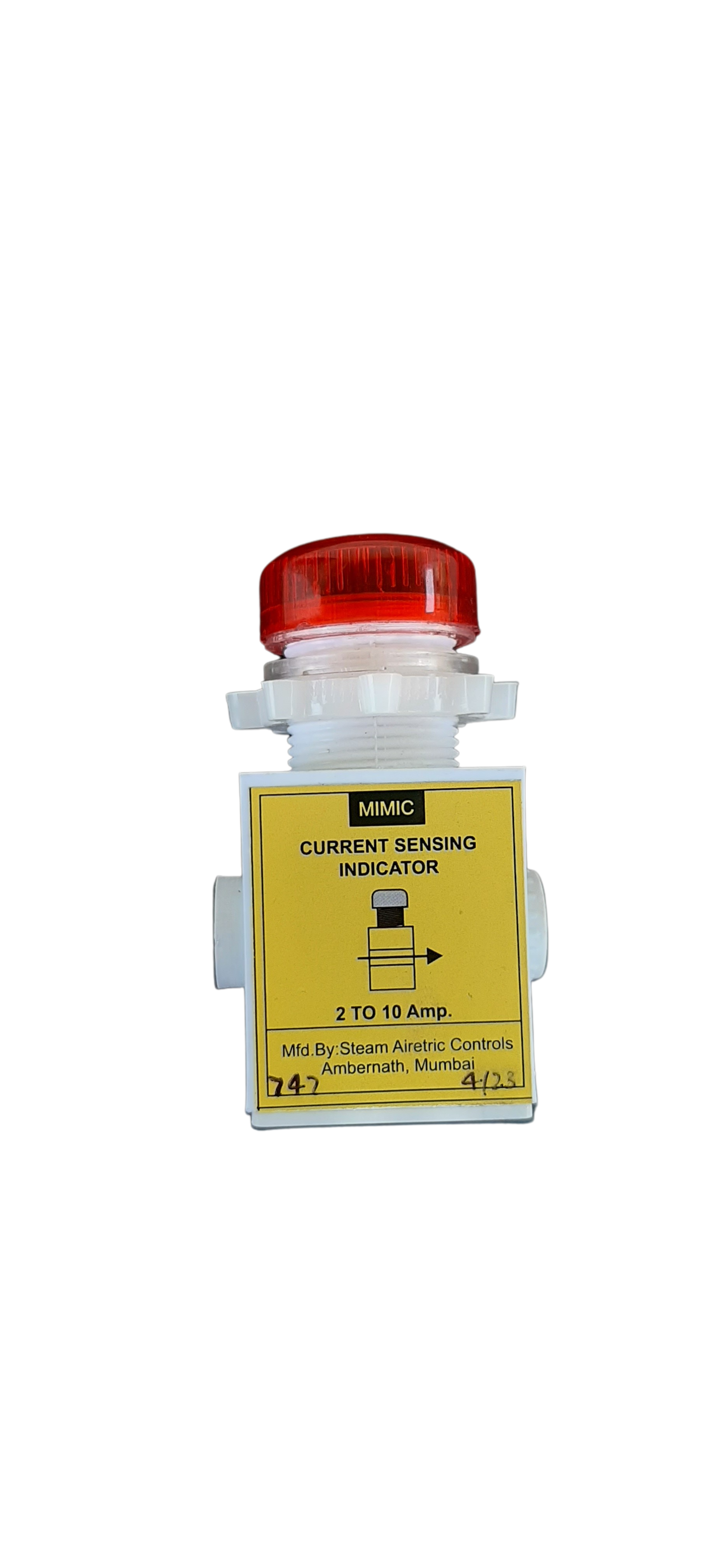
Heater Failure Lamps are indicator devices designed to alert operators whenever a heater element or heating circuit fails to operate correctly.
These lamps are commonly installed in control panels and automation systems to monitor industrial heaters continuously.
Their primary purpose is to provide immediate visual indication of heater-related problems.
Industries also use What is a Heater Failure Lamp? and Importance of Heater Monitoring Systems alongside Heater Failure Lamps for comprehensive machine monitoring.
Why It Is Important to Know How to Troubleshoot Heater Failure Lamps
Understanding How to Troubleshoot Heater Failure Lamps helps operators quickly identify faults before they cause production losses or equipment damage.
Early diagnosis improves maintenance efficiency and reduces unexpected downtime.
Effective troubleshooting also helps maintain product quality and operational safety.
Step 1: Check the Heater Failure Lamp Power Supply
The first step in How to Troubleshoot Heater Failure Lamps is verifying the power supply.
Ensure that the indicator receives the correct voltage and that all electrical connections are secure.
Voltage fluctuations, loose terminals, or damaged wiring can prevent proper lamp operation.
Step 2: Inspect the Heater Element
A damaged or burned-out heater element is one of the most common causes of Heater Failure Lamp activation.
Inspect the heater for visible damage and measure its electrical resistance using appropriate testing equipment.
Replace defective heater elements as necessary.
Step 3: Verify Wiring Connections
Wiring issues frequently contribute to heater monitoring problems.
Check all control panel wiring, heater connections, and terminal blocks for loose, damaged, or corroded contacts.
Secure and repair connections where necessary to restore proper operation.
Many facilities integrate Heater Failure Lamps with How Heater Failure Lamps Prevent Industrial Accidents and Industrial Applications of Heater Failure Indicators to improve fault visibility across industrial systems.
Step 4: Test Heater Failure Relays
Heater failure relays monitor heater performance and activate failure indicators when abnormal conditions occur.
A malfunctioning relay can cause false alarms or prevent accurate fault detection.
Verify relay operation according to manufacturer specifications and replace faulty units if required.
Step 5: Check Temperature Sensors
Temperature sensors such as thermocouples and RTDs play a critical role in heater monitoring systems.
Damaged sensors can provide incorrect temperature readings and trigger Heater Failure Lamps unnecessarily.
Inspect sensor wiring and verify sensor accuracy during troubleshooting.
Step 6: Examine Control System Settings
Incorrect controller settings can affect heater performance and trigger alarm conditions.
Review temperature control parameters, alarm thresholds, and monitoring configurations to ensure proper operation.
Correct any configuration errors identified during inspection.
Common Problems Found While Troubleshooting Heater Failure Lamps
- Burned-out heater elements
- Loose electrical connections
- Incorrect voltage supply
- Faulty heater failure relays
- Damaged temperature sensors
- Control panel wiring faults
- Improper controller settings
- Environmental contamination affecting components
Preventive Maintenance to Reduce Heater Failure Lamp Problems
Preventive maintenance helps reduce the need for frequent troubleshooting.
Regular inspections, cleaning, wiring checks, sensor calibration, and relay testing improve system reliability and reduce unexpected failures.
Establishing a scheduled maintenance program supports long-term operational efficiency.
Future of Heater Failure Lamp Diagnostics
Modern heater monitoring systems are becoming increasingly intelligent through Industry 4.0 and Industrial Internet of Things (IIoT) technologies.
Future Heater Failure Lamps may provide predictive maintenance capabilities, remote diagnostics, cloud connectivity, and real-time fault analysis.
These advancements will simplify troubleshooting and improve maintenance planning.
Conclusion on How to Troubleshoot Heater Failure Lamps
Understanding How to Troubleshoot Heater Failure Lamps helps industries maintain reliable heating systems, improve safety, and reduce downtime.
By systematically checking power supplies, heater elements, relays, sensors, wiring, and control settings, maintenance teams can quickly identify and resolve heater-related issues.
As industrial automation evolves, advanced diagnostic technologies will further improve the efficiency of Heater Failure Lamp troubleshooting and maintenance.
Frequently Asked Questions About How to Troubleshoot Heater Failure Lamps
1. What is the first step in troubleshooting Heater Failure Lamps?
The first step is checking the power supply, wiring connections, and voltage levels to ensure the indicator receives proper electrical power.
2. Why does a Heater Failure Lamp activate?
It activates when heater faults, damaged heating elements, sensor issues, relay failures, or abnormal operating conditions are detected.
3. Can faulty sensors trigger Heater Failure Lamps?
Yes, damaged thermocouples or RTDs can provide incorrect readings and trigger false alarm conditions.
4. How often should Heater Failure Lamps be inspected?
Regular preventive maintenance inspections should be conducted according to the equipment maintenance schedule.
5. What industries use Heater Failure Lamps?
They are widely used in plastic processing, packaging, food production, pharmaceutical manufacturing, chemical processing, and industrial heating applications.
6. What is the future of Heater Failure Lamp troubleshooting?
Future systems will use predictive maintenance, IIoT connectivity, remote monitoring, and smart diagnostics to simplify troubleshooting.