
Heater Failure Detection in Automation Systems is an essential aspect of modern industrial process control and equipment monitoring. Many industries depend on heaters to maintain accurate temperatures during manufacturing, processing, packaging, drying, and material treatment operations. When a heater fails unexpectedly, it can disrupt production, affect product quality, increase downtime, and create safety risks.
Modern automation systems use advanced heater monitoring technologies to detect failures in real time. These systems continuously monitor heater performance and provide immediate alerts whenever abnormal conditions occur. Early fault detection allows operators and maintenance teams to take corrective action before serious problems develop.
Heater Failure Detection in Automation Systems has become increasingly important with the growth of Industry 4.0, smart factories, and automated manufacturing environments.
Industries frequently integrate heater monitoring solutions with Heater Failure Lamp – An Essential Safety and Monitoring Indicator for comprehensive fault monitoring and alarm management systems.
What is Heater Failure Detection in Automation Systems?
Heater Failure Detection in Automation Systems refers to the process of continuously monitoring industrial heating elements and identifying faults before they affect production processes.
These systems detect conditions such as heater burnout, open circuits, short circuits, abnormal current flow, overheating, and temperature deviations.
Automated monitoring enables rapid fault identification and helps industries maintain consistent process performance.
Industries also use How to Troubleshoot Heater Failure Lamps and What is a Heater Failure Lamp? alongside automated detection systems for enhanced fault visibility.
Importance of Heater Failure Detection in Automation Systems
The importance of Heater Failure Detection in Automation Systems lies in its ability to prevent production disruptions and maintain product quality.
In temperature-sensitive processes, even a minor heater malfunction can lead to defective products, wasted materials, and increased operational costs.
Automated detection systems help identify issues immediately and reduce the risk of costly production failures.
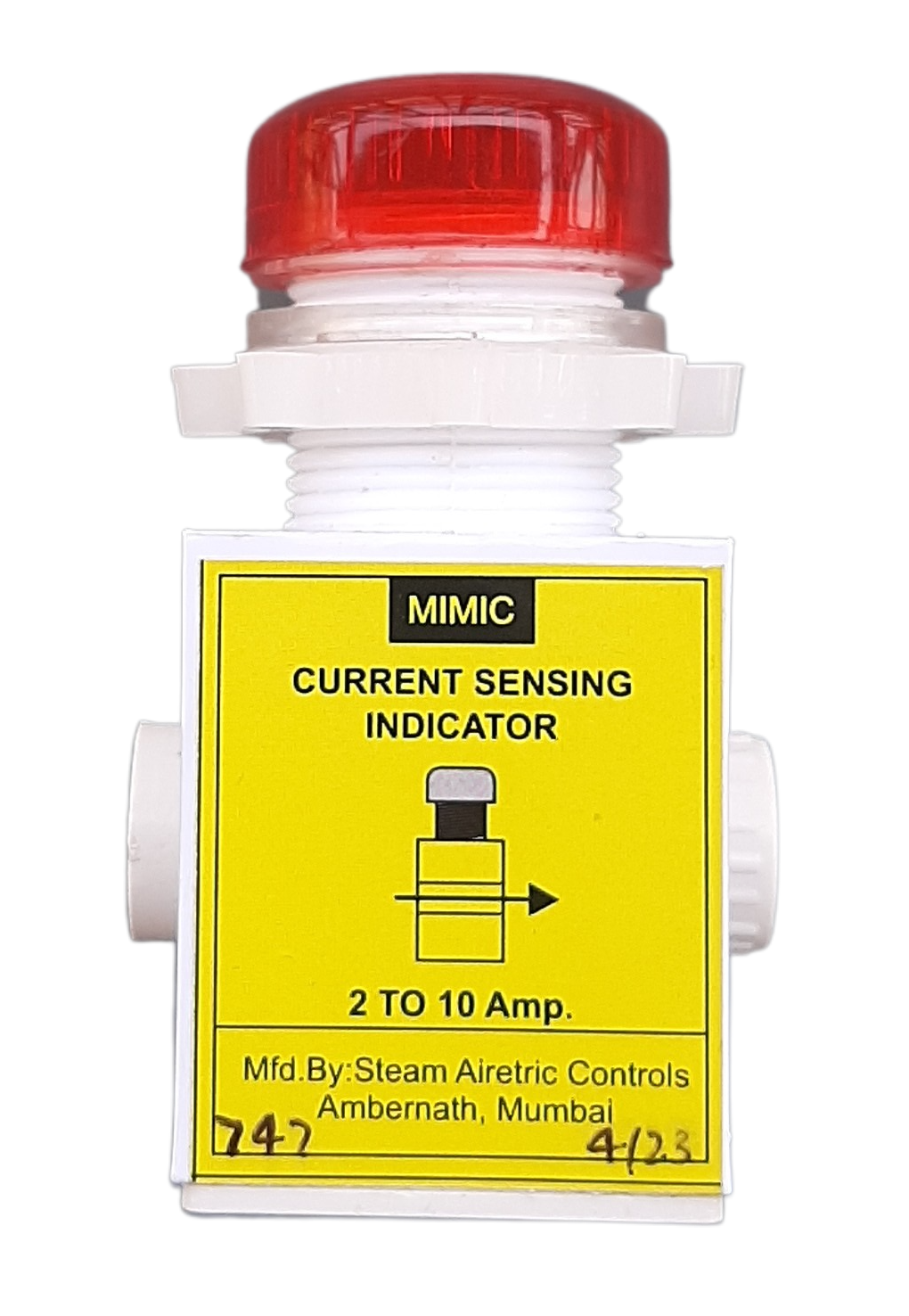
How Heater Failure Detection in Automation Systems Works
Heater Failure Detection in Automation Systems works by continuously monitoring electrical and thermal parameters associated with heating equipment.
Sensors, relays, controllers, and monitoring devices track heater current, voltage, resistance, and temperature values.
When abnormal conditions are detected, the system generates alarms, activates indicator lamps, or sends notifications to operators and maintenance personnel.
Modern systems can also communicate with PLCs and SCADA platforms to provide centralized monitoring and diagnostics.
Applications of Heater Failure Detection in Automation Systems
Heater Failure Detection in Automation Systems is widely used across many industries.
Common applications include plastic extrusion machines, injection molding systems, industrial ovens, heat treatment equipment, packaging machinery, food processing plants, pharmaceutical manufacturing, textile production, and chemical processing facilities.
These industries depend on reliable temperature control to maintain operational efficiency and product consistency.
Many facilities integrate automated heater monitoring with Importance of Heater Monitoring Systems and How Heater Failure Lamps Prevent Industrial Accidents for complete machine monitoring solutions.
Benefits of Heater Failure Detection in Automation Systems
- Early fault identification
- Improved product quality
- Reduced production downtime
- Enhanced workplace safety
- Better process control
- Lower maintenance costs
- Increased equipment reliability
- Improved energy efficiency
Role of PLCs in Heater Failure Detection in Automation Systems
Programmable Logic Controllers (PLCs) play a major role in Heater Failure Detection in Automation Systems.
PLCs continuously process sensor data and compare operating conditions against predefined parameters.
When abnormal conditions occur, PLCs can activate alarms, shut down equipment, or notify operators automatically.
This intelligent monitoring improves response times and operational reliability.
Industrial Safety and Heater Failure Detection in Automation Systems
Safety is one of the most important benefits of Heater Failure Detection in Automation Systems.
Heater failures can cause overheating, equipment damage, fire hazards, and unsafe working conditions.
Automated detection systems help prevent these risks by providing immediate warning signals and enabling rapid intervention.
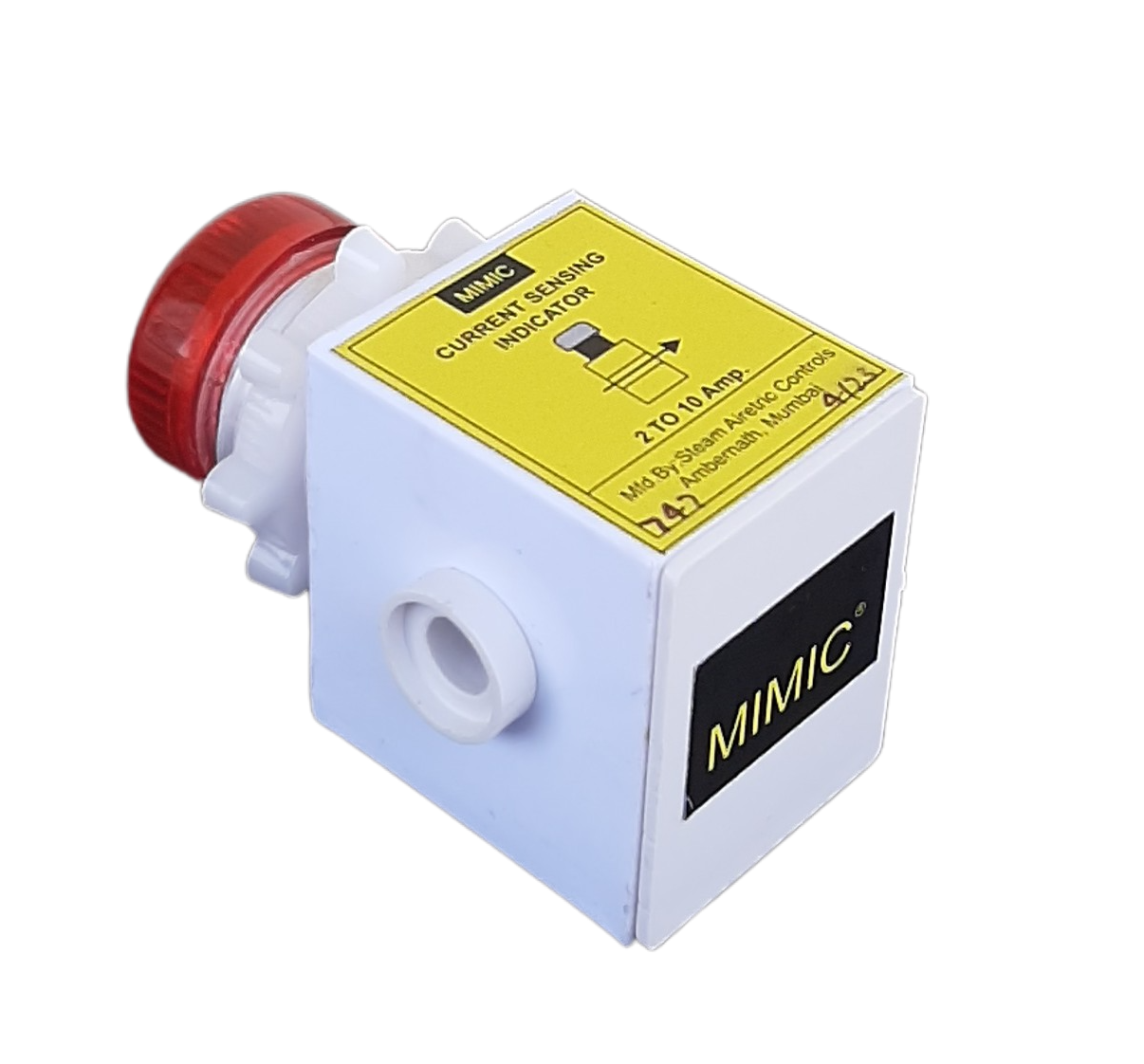
Future of Heater Failure Detection in Automation Systems
The future of Heater Failure Detection in Automation Systems is closely connected to Industry 4.0, Industrial Internet of Things (IIoT), and predictive maintenance technologies.
Advanced systems are becoming capable of predicting heater failures before they occur by analyzing historical performance data and operational trends.
Cloud-based monitoring, wireless communication, artificial intelligence, and machine learning technologies will further improve heater monitoring capabilities.
Challenges in Heater Failure Detection in Automation Systems
While automated monitoring systems provide many benefits, proper implementation is essential.
Challenges may include sensor calibration, system integration, data management, and maintaining reliable communication between devices.
Regular maintenance and proper system configuration help ensure accurate heater monitoring performance.
Conclusion on Heater Failure Detection in Automation Systems
Heater Failure Detection in Automation Systems is a critical technology for maintaining product quality, operational efficiency, and workplace safety.
By continuously monitoring heater performance and providing immediate fault alerts, these systems help industries reduce downtime, improve reliability, and prevent costly equipment failures.
As automation technologies continue to advance, Heater Failure Detection in Automation Systems will remain an essential component of modern industrial operations.
Frequently Asked Questions About Heater Failure Detection in Automation Systems
1. What is Heater Failure Detection in Automation Systems?
It is a monitoring process that identifies heater faults and abnormal operating conditions in automated industrial systems.
2. Why is Heater Failure Detection in Automation Systems important?
It helps prevent downtime, maintain product quality, improve safety, and reduce maintenance costs.
3. How do automation systems detect heater failures?
They monitor parameters such as current, voltage, resistance, and temperature using sensors and control devices.
4. Which industries use Heater Failure Detection in Automation Systems?
Industries including plastics, food processing, pharmaceuticals, packaging, chemicals, textiles, and manufacturing use these systems.
5. Can Heater Failure Detection Systems integrate with PLCs?
Yes, modern systems integrate with PLCs, SCADA systems, and industrial automation platforms for centralized monitoring.
6. What is the future of Heater Failure Detection in Automation Systems?
Future systems will support predictive maintenance, AI-based diagnostics, IIoT connectivity, and cloud-based monitoring.