
Heater Monitoring Systems – Understanding the Importance of Heater Monitoring Systems is essential for industries that rely on precise temperature control and continuous heating operations. Modern manufacturing facilities, process industries, packaging units, food processing plants, chemical industries, and plastic processing systems depend heavily on heaters to maintain production quality and operational efficiency.
A small heater malfunction can lead to production losses, product defects, increased energy consumption, and equipment damage. Heater Monitoring Systems help industries detect heater faults early, maintain process consistency, and improve overall system reliability.
As industrial automation continues to advance, Heater Monitoring Systems have become critical components of modern control and safety infrastructure.
Industries frequently integrate Heater Monitoring Systems with Heater Failure Lamp – An Essential Safety and Monitoring Indicator for complete fault monitoring and alarm management solutions.
What Are Heater Monitoring Systems?
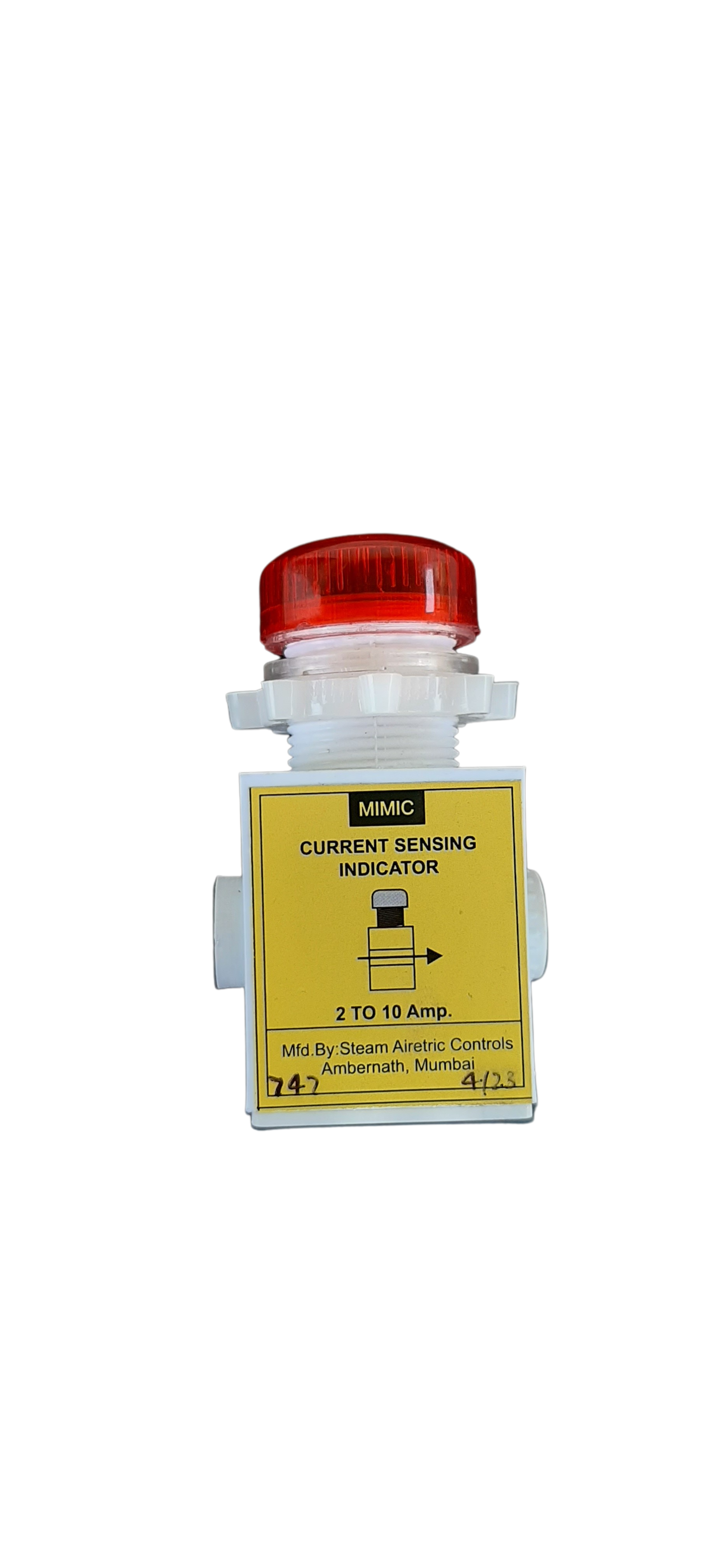
Heater Monitoring Systems are specialized monitoring solutions designed to supervise the performance and condition of industrial heating elements, heater circuits, temperature controllers, and related equipment.
These systems continuously monitor operating parameters such as current, voltage, temperature, and heater performance to identify abnormal conditions before they cause major failures.
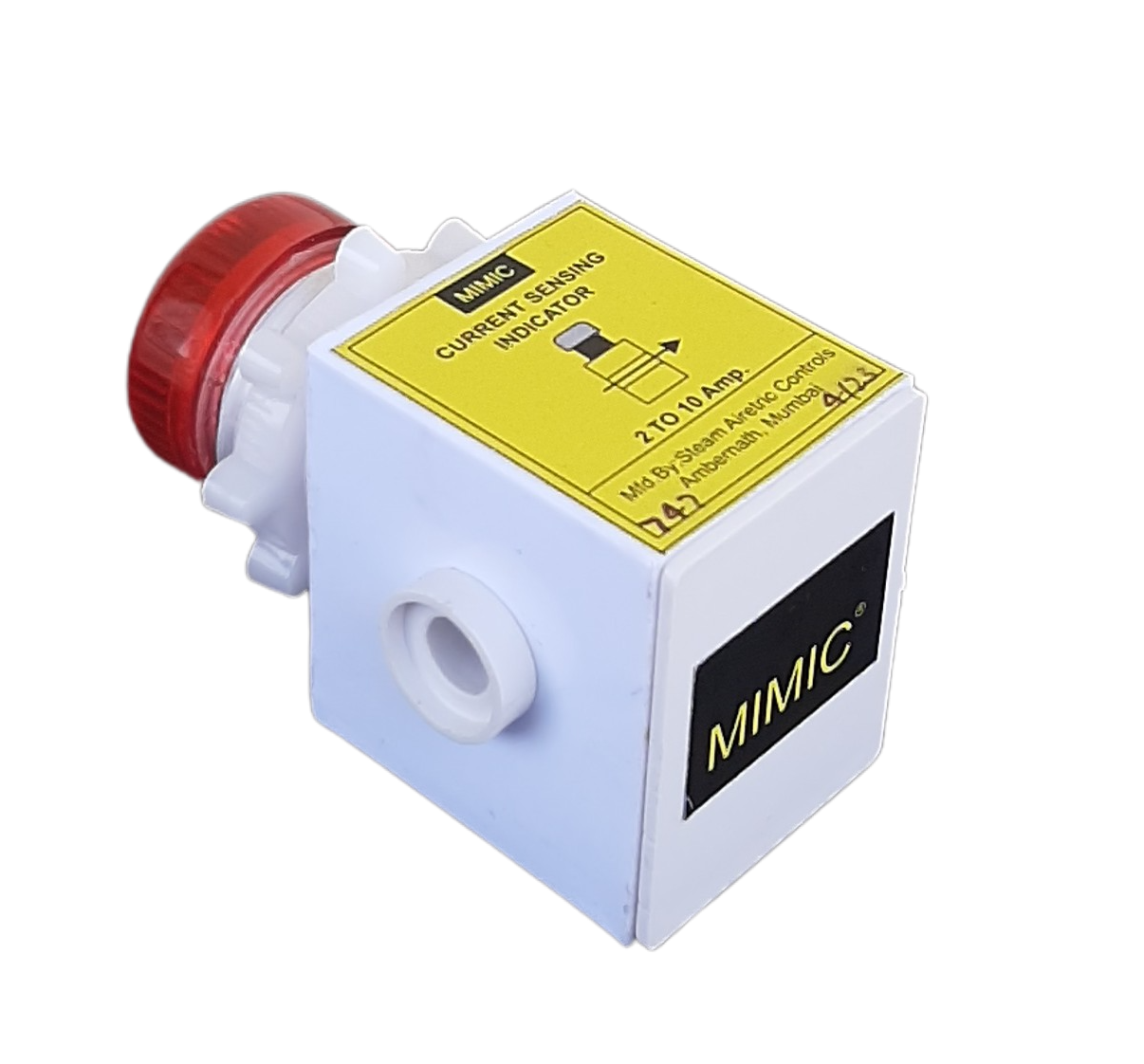
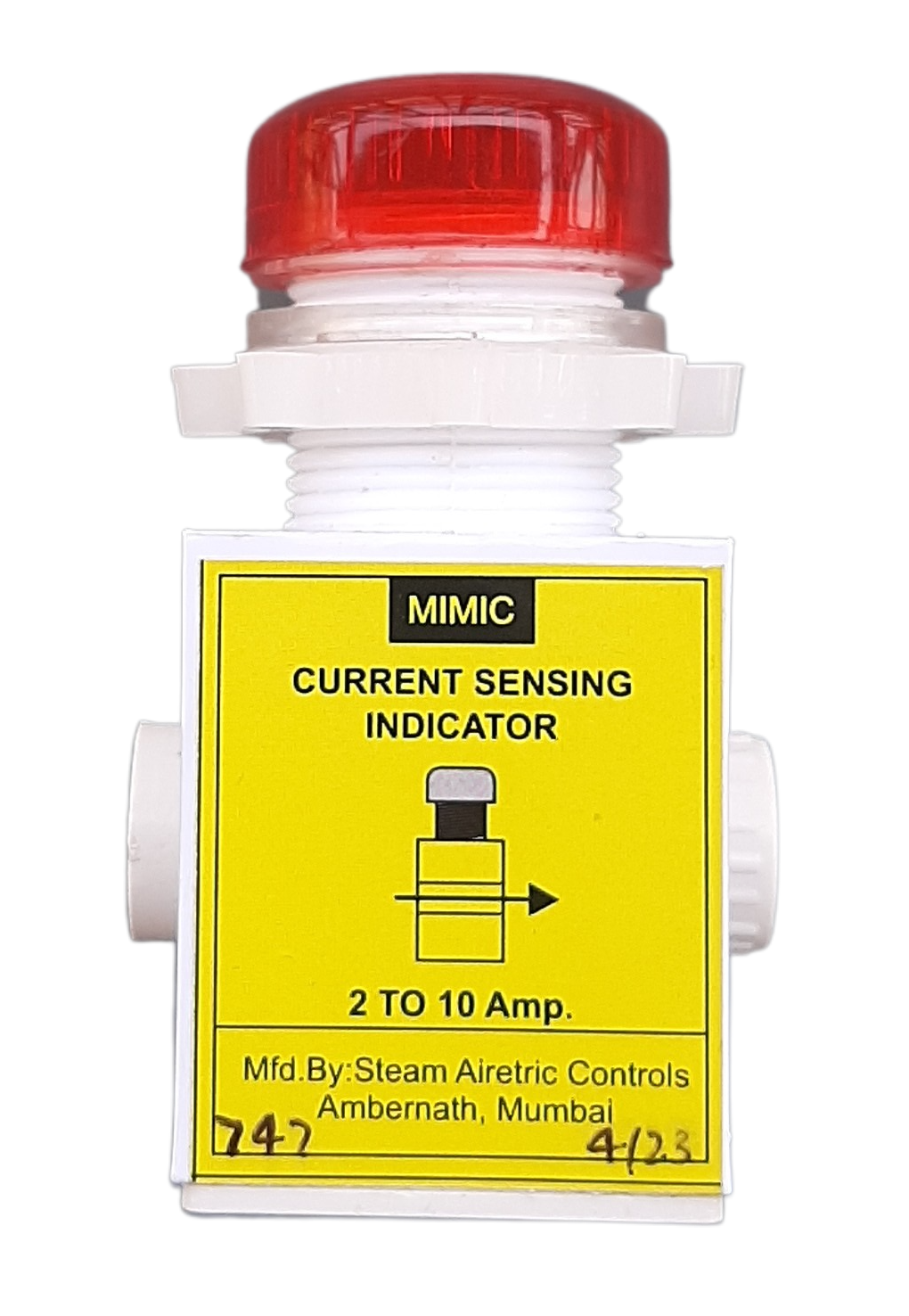
Modern Heater Monitoring Systems provide visual indicators, alarms, fault notifications, and automated monitoring functions for industrial applications.
Industries also use Heater Failure Lamps and Industrial Applications of Heater Failure Indicators alongside Heater Monitoring Systems for enhanced fault detection.
Importance of Heater Monitoring Systems for Early Fault Detection
One of the biggest advantages demonstrating the Importance of Heater Monitoring Systems is early fault detection.
Heater elements can fail due to aging, overheating, electrical faults, loose connections, or environmental conditions. Without proper monitoring, these failures may remain unnoticed until production quality is affected.
Heater Monitoring Systems identify abnormal operating conditions immediately, allowing maintenance personnel to take corrective action before serious problems occur.
Importance of Heater Monitoring Systems for Production Quality
Consistent temperature control is essential for maintaining product quality in many industries.
Even minor temperature variations can affect material properties, processing conditions, and final product quality.
Heater Monitoring Systems help ensure that heating equipment operates correctly and maintains required temperature levels throughout the production process.
Importance of Heater Monitoring Systems for Industrial Safety
Industrial safety is another major reason for the Importance of Heater Monitoring Systems.
Heater failures can result in overheating, equipment damage, electrical hazards, and unsafe operating conditions.
By providing early warnings and fault indications, Heater Monitoring Systems help operators respond quickly and reduce safety risks.
Many facilities integrate Heater Monitoring Systems with Benefits of LED Heater Failure Lamps and Heater Failure Detection in Automation Systems for comprehensive industrial safety solutions.
Importance of Heater Monitoring Systems for Reducing Downtime
Unplanned downtime can be extremely costly for industrial operations.
Heater Monitoring Systems reduce downtime by identifying developing issues before complete equipment failures occur.
Maintenance teams can schedule repairs proactively, minimizing production interruptions and improving equipment availability.
Importance of Heater Monitoring Systems for Energy Efficiency
Faulty heaters often consume excessive energy while delivering poor heating performance.
Heater Monitoring Systems help identify inefficient operation and ensure heaters perform at optimal efficiency.
Improved energy efficiency reduces operating costs and supports sustainability initiatives.
Applications of Heater Monitoring Systems
Heater Monitoring Systems are widely used in plastic processing industries, extrusion plants, injection molding systems, industrial ovens, furnaces, packaging equipment, textile machinery, chemical processing plants, pharmaceutical facilities, and food production systems.
Any industrial process that relies on controlled heating can benefit from effective heater monitoring.
These systems help improve process reliability and operational performance across multiple industries.
Benefits of Heater Monitoring Systems
- Early fault detection
- Improved product quality
- Enhanced industrial safety
- Reduced equipment downtime
- Lower maintenance costs
- Improved energy efficiency
- Better process control
- Increased equipment reliability
Future of Heater Monitoring Systems
The future of Heater Monitoring Systems is closely connected to Industry 4.0 and Industrial Internet of Things (IIoT) technologies.
Modern monitoring solutions are becoming smarter, offering predictive maintenance, cloud connectivity, remote diagnostics, and real-time performance analytics.
These technologies will help industries improve maintenance planning and maximize operational efficiency.
Conclusion on the Importance of Heater Monitoring Systems
The Importance of Heater Monitoring Systems extends beyond simple fault detection. These systems help industries improve product quality, enhance safety, reduce downtime, increase energy efficiency, and optimize production processes.
By continuously monitoring heater performance and providing early warning of problems, Heater Monitoring Systems contribute significantly to operational reliability and cost savings.
As industrial automation continues to evolve, Heater Monitoring Systems will remain essential components of modern manufacturing and process control environments.
Frequently Asked Questions About Importance of Heater Monitoring Systems
1. What is the Importance of Heater Monitoring Systems?
Heater Monitoring Systems help detect faults early, improve safety, reduce downtime, enhance product quality, and increase energy efficiency.
2. How do Heater Monitoring Systems work?
They continuously monitor heater performance, current, voltage, and temperature conditions to identify abnormalities.
3. Where are Heater Monitoring Systems used?
They are used in plastic processing, packaging, food production, chemical processing, pharmaceutical manufacturing, ovens, furnaces, and industrial heating systems.
4. How do Heater Monitoring Systems improve safety?
They provide early warning of heater failures and abnormal operating conditions, helping prevent equipment damage and hazardous situations.
5. Can Heater Monitoring Systems reduce maintenance costs?
Yes, early fault detection and predictive maintenance capabilities help reduce unexpected repairs and downtime.
6. What is the future of Heater Monitoring Systems?
Future systems will support IIoT connectivity, predictive maintenance, cloud monitoring, remote diagnostics, and advanced analytics.