
Semaphore Indicator Maintenance-Proper maintenance of industrial signaling devices is essential for ensuring reliable machine monitoring, fault indication, and operational safety. Following the right Maintenance Tips for Semaphore Indicators helps industries improve equipment performance, extend service life, and reduce unexpected downtime. Semaphore Indicators are widely used in control panels, automation systems, manufacturing plants, and electrical installations where continuous visual communication is critical.
Modern LED Semaphore Indicators are designed for long-term operation, but regular inspection and maintenance are still necessary to ensure optimal performance. Well-maintained Semaphore Indicators provide accurate status indication, clear visibility, and dependable operation in demanding industrial environments.
Industries often integrate Semaphore Indicators with Semaphore Indicator – Complete Guide for Traders for complete industrial monitoring and signaling systems.
Why Maintenance Tips for Semaphore Indicators are Important
Following proper Maintenance Tips for Semaphore Indicators ensures that industrial signaling systems continue operating efficiently and reliably. Poorly maintained indicators may provide incorrect signals, reduced visibility, or complete failure, which can affect machine monitoring and industrial safety.
Regular maintenance helps identify wear and tear before it becomes a serious problem. It also minimizes unexpected equipment failures and reduces maintenance costs over time.
Reliable Semaphore Indicators help operators quickly identify machine conditions, fault alerts, and maintenance requirements.
Maintenance Tips for Semaphore Indicators: Regular Visual Inspection
One of the most important Maintenance Tips for Semaphore Indicators is performing regular visual inspections. Operators should inspect indicator lenses, housings, mounting brackets, and electrical connections to ensure everything is functioning properly.
Cracked lenses, loose connections, damaged housings, or faded indicator displays can reduce visibility and affect system performance.
Early detection of physical damage helps prevent unexpected failures and ensures reliable operation.
Industries also use Why Industries Prefer LED Semaphore Indicators and What is a Semaphore Indicator? alongside Semaphore Indicators, making routine inspections even more important.
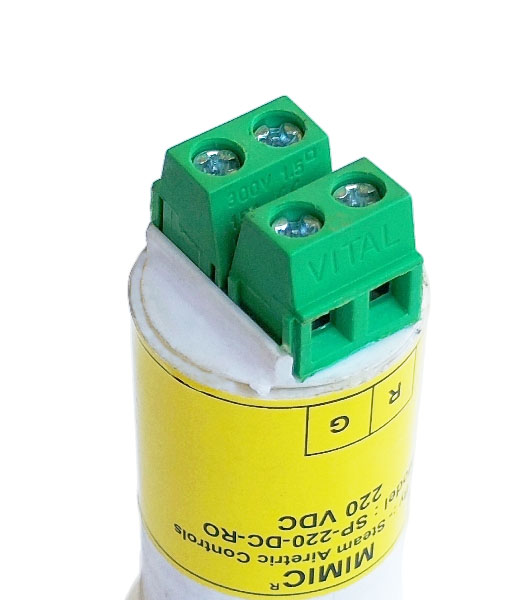
Maintenance Tips for Semaphore Indicators: Cleaning Indicator Surfaces
Dust, dirt, oil, and industrial contaminants can accumulate on Semaphore Indicators over time. Regular cleaning is one of the most effective Maintenance Tips for Semaphore Indicators.
Clean indicator surfaces using a soft cloth and non-abrasive cleaning solution. Avoid harsh chemicals that may damage indicator lenses or housings.
Maintaining clean indicator surfaces improves visibility and ensures operators can easily recognize machine conditions and warning signals.
Maintenance Tips for Semaphore Indicators: Check Electrical Connections
Electrical connections play a critical role in the performance of Semaphore Indicators. Loose wires, corroded terminals, or damaged connectors can result in unreliable operation.
Periodically inspect all electrical connections and tighten any loose terminals. Replace damaged wires and connectors immediately to prevent signaling failures.
Proper electrical maintenance helps ensure continuous communication between machines and operators.
Industries frequently integrate Semaphore Indicators with Uses of Semaphore Indicators in Industrial Panels and LED Semaphore Indicators for Electrical Systems, making reliable electrical connections even more important.
Maintenance Tips for Semaphore Indicators: Test Indicator Functionality
Regular functional testing is another important part of Maintenance Tips for Semaphore Indicators. Testing ensures that all indicator positions, lights, and signaling functions operate correctly.
Operators should periodically activate indicators and verify that all visual signals are clearly visible and functioning as intended.
Functional testing helps identify issues before they affect production operations or safety systems.
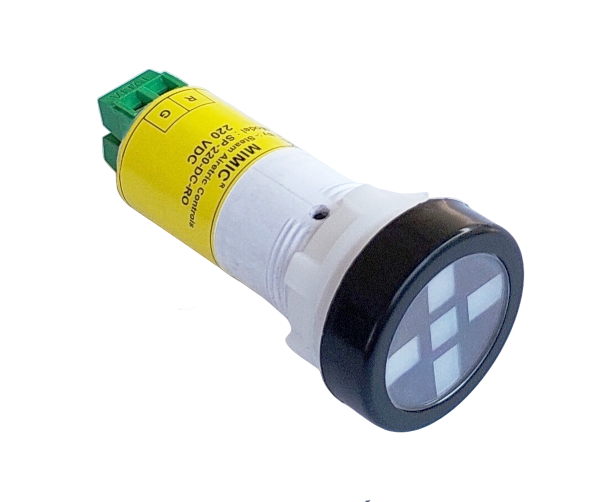
Maintenance Tips for LED Semaphore Indicators
LED Semaphore Indicators generally require less maintenance than traditional signaling devices. However, regular inspection and cleaning remain important.
LED technology offers long service life, low power consumption, and excellent reliability, but damaged LEDs or driver circuits should be replaced promptly to maintain optimal performance.
Monitoring LED brightness levels can also help identify potential issues before complete failure occurs.
Maintenance Tips for Semaphore Indicators in Harsh Environments
Industrial facilities often expose signaling devices to dust, moisture, vibration, and temperature fluctuations. Special maintenance procedures may be required in these environments.
Use indicators with appropriate protection ratings and inspect seals regularly to prevent contamination and moisture ingress.
More frequent maintenance schedules may be necessary in harsh operating conditions to ensure long-term reliability.
Benefits of Following Maintenance Tips for Semaphore Indicators
Proper maintenance improves reliability, extends equipment lifespan, reduces downtime, and enhances workplace safety.
Well-maintained Semaphore Indicators provide accurate machine status information, helping operators respond quickly to changing conditions.
Regular maintenance also reduces long-term operating costs and improves overall industrial efficiency.
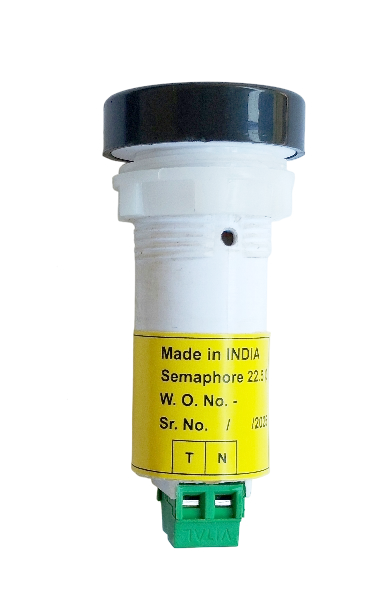
Conclusion on Maintenance Tips for Semaphore Indicators
Following the right Maintenance Tips for Semaphore Indicators helps industries maintain reliable signaling systems, improve operational efficiency, and enhance workplace safety.
Regular inspections, cleaning, electrical maintenance, and functional testing ensure that Semaphore Indicators continue providing accurate and dependable machine status information.
As industrial automation continues to expand, maintaining Semaphore Indicators properly will remain essential for efficient and safe operations.
Frequently Asked Questions About Maintenance Tips for Semaphore Indicators
1. Why are Maintenance Tips for Semaphore Indicators important?
Proper maintenance improves reliability, extends equipment life, reduces downtime, and ensures accurate signaling performance.
2. How often should Semaphore Indicators be inspected?
Semaphore Indicators should be inspected regularly according to the operating environment and maintenance schedule of the facility.
3. How do I clean Semaphore Indicators?
Use a soft cloth and non-abrasive cleaning solution to remove dust, dirt, and contaminants from indicator surfaces.
4. What should be checked during maintenance?
Inspect indicator lenses, electrical connections, mounting hardware, housings, and signaling functionality.
5. Do LED Semaphore Indicators require maintenance?
Yes, although LED Semaphore Indicators require less maintenance, regular inspection and cleaning are still recommended.
6. What are the benefits of maintaining Semaphore Indicators?
Benefits include improved reliability, longer lifespan, reduced maintenance costs, enhanced visibility, and better industrial safety.